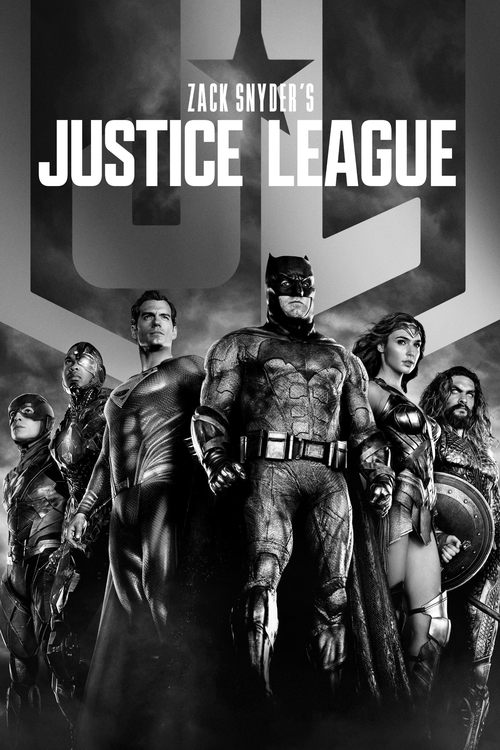
Zack Snyder's Justice League
2021
No user ratings available yet
Representation score: 5.3 out of 10
Representation Score
Good
2016
PG-13Director
Zack Snyder
Runtime
152 minutes
Average Rating
No ratings yetNew Showbiz Analysis
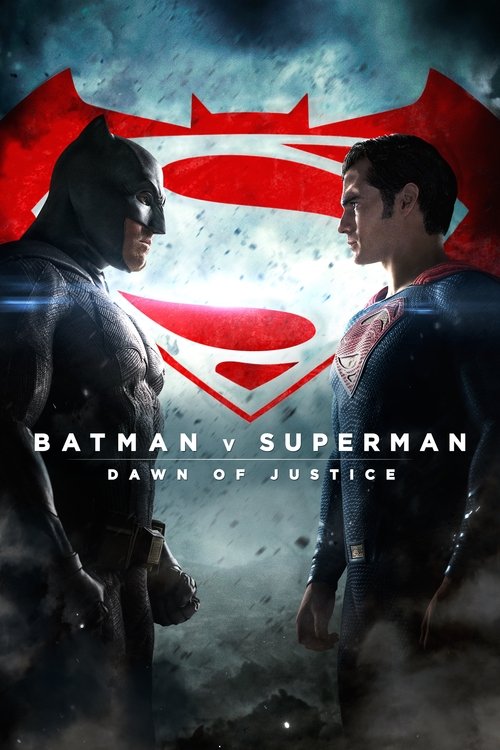
The film argues that power requires accountability. Lois Lane’s investigation and final judgment on Superman establish democratic oversight as the moral center. Diana Prince’s victory over Doomsday reinforces female competence, while Martha Kent’s nurturing presence contrasts with Bruce Wayne’s trauma. The "Martha" reveal resolves the conflict through familial love, suggesting that personal connection is the antidote to individual trauma. Lex Luthor’s "purification" speech frames authoritarian ideology as dangerous, while Superman’s god-like status is questioned through religious imagery. The narrative positions democratic accountability as the necessary check on divine-like authority. It critiques unchecked power and national sovereignty, using the nuclear family as the primary unit of moral judgment to resolve the central conflict.
Category Breakdown
No LGBTQ+ characters, same-sex romance, or non-binary identities appear in the cast or plot. Relationships are strictly heterosexual, with no implied or background queer subtext.
Lois Lane drives the moral arc, investigating Superman and delivering the final judgment on his actions. Diana Prince defeats the final threat, establishing female competence over the male leads.
The cast is predominantly white, with Jesse Eisenberg as the primary antagonist. Diana Prince is presented as an ancient, pure warrior, distinct from modern humanity.
The film critiques unchecked power and national sovereignty through Lois’s democratic accountability. Superman is framed as a god-figure, using religious imagery to elevate his status.
No lasting impairment or disabled life is depicted. Bruce Wayne’s aging and injury are framed as trauma and decay, not disability.
Present on Screen
Limited or Absent
Official Synopsis
Fearing the actions of a god-like Super Hero left unchecked, Gotham City’s own formidable, forceful vigilante takes on Metropolis’s most revered, modern-day savior, while the world wrestles with what sort of hero it really needs. And with Batman and Superman at war with one another, a new threat quickly arises, putting mankind in greater danger than it’s ever known before.
2021
2019
2016
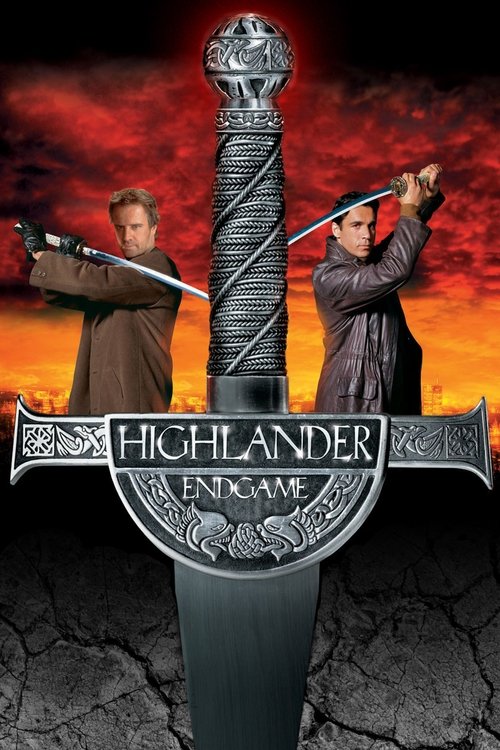
2000
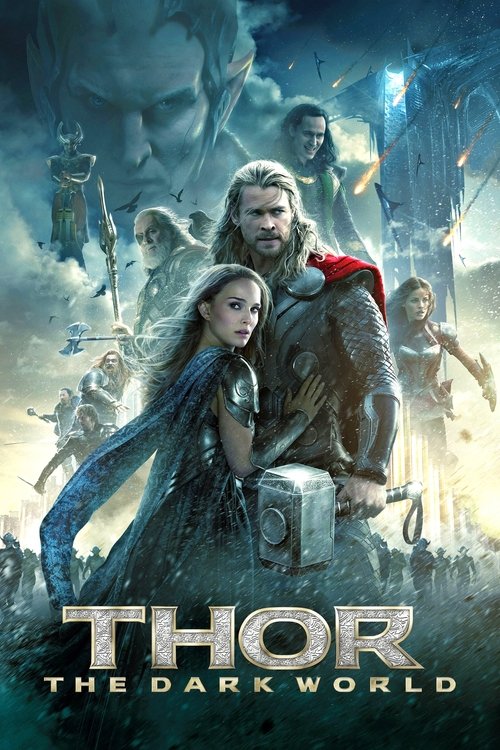
2013

2010
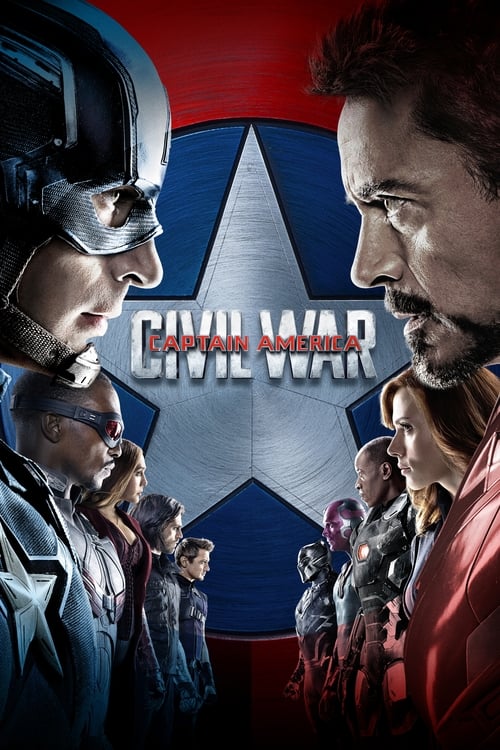
2016
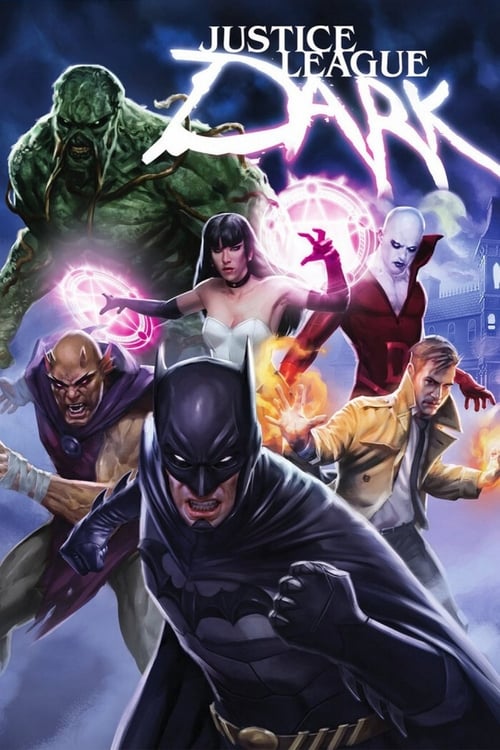
2017
No reviews yet. Be the first to share your thoughts on this movie!
Use the rating form above to leave a star rating and optional review.