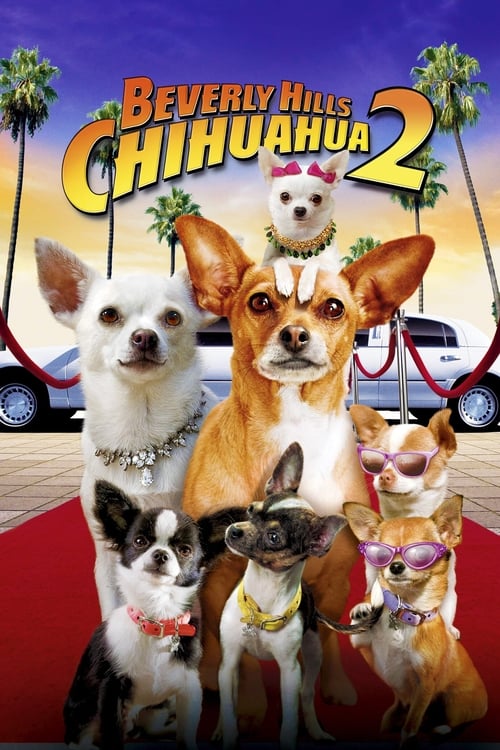
Beverly Hills Chihuahua 2
2011
No user ratings available yet
Representation score: 1.4 out of 10
Representation Score
Fair
2012
GDirector
Lev L. Spiro
Runtime
89 minutes
Average Rating
No ratings yetNew Showbiz Analysis
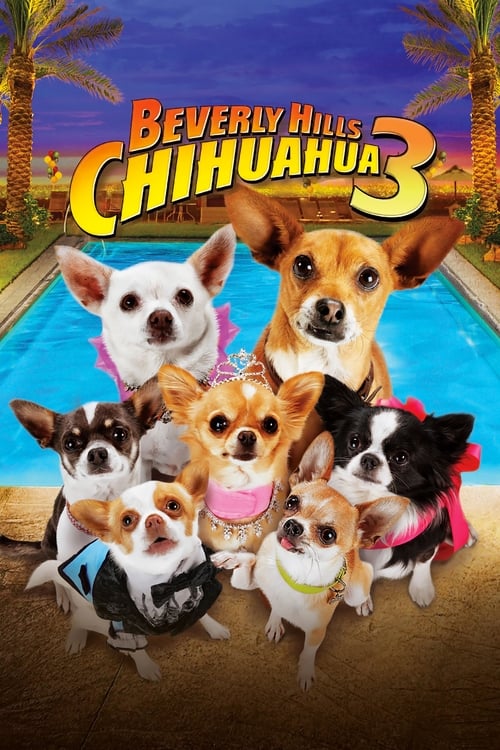
Beverly Hills Chihuahua 3: Viva la Fiesta! operates as a conventional family comedy that adheres to standard genre expectations. It utilizes cultural aesthetics and themes of belonging to drive its narrative, but lacks deep exploration of systemic identity. The film relies heavily on traditional character archetypes and metaphors. While it incorporates ethnic signifiers through its setting and title, these elements function more as surface-level motifs than meaningful explorations of identity. Ultimately, the production prioritizes accessible, mainstream entertainment. It avoids disrupting established social hierarchies, focusing instead on a simple, heartwarming arc centered on individual acceptance within a traditional social structure.
Category Breakdown
The film focuses on canine familial dynamics and individual belonging. There is no depiction of LGBTQ+ identities or narratives that question the assumption that everyone is straight or cisgender.
The characters follow traditional roles where one protects and the other is protected. The plot centers on Papi mentoring Rosa, offering little challenge to traditional gender roles.
The narrative uses a Mexican-themed celebratory atmosphere as a cultural backdrop. These ethnic signifiers often serve as a colorful setting rather than deep explorations of identity.
The story leans into traditional celebratory themes and familial bonds. It prioritizes a conventional moral arc of individual belonging over critiques of institutional structures.
Rosa’s small size is used as a metaphor for social inadequacy. This leans toward a cliché of smallness as a hurdle rather than a nuanced portrayal of disability.
Present on Screen
Limited or Absent
Official Synopsis
When Papi, Chloe, the pups, Uncle Pedro, and their owners move to a hotel, the smallest pup Rosa feels like she doesn't fit in, and Papi wants to make her feel better by showing her how special she is.
2011
1966

2011

1993

2010
2008

2000

2000
No reviews yet. Be the first to share your thoughts on this movie!
Use the rating form above to leave a star rating and optional review.