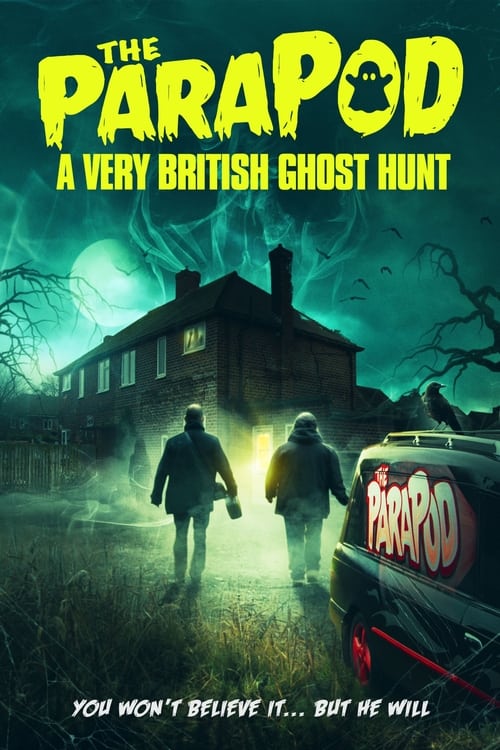
The ParaPod: A Very British Ghost Hunt
2020
No user ratings available yet
Diversity score: 3.6 out of 10
2012
Runtime
6 minutes
Average Rating
No ratings yetSynopsis
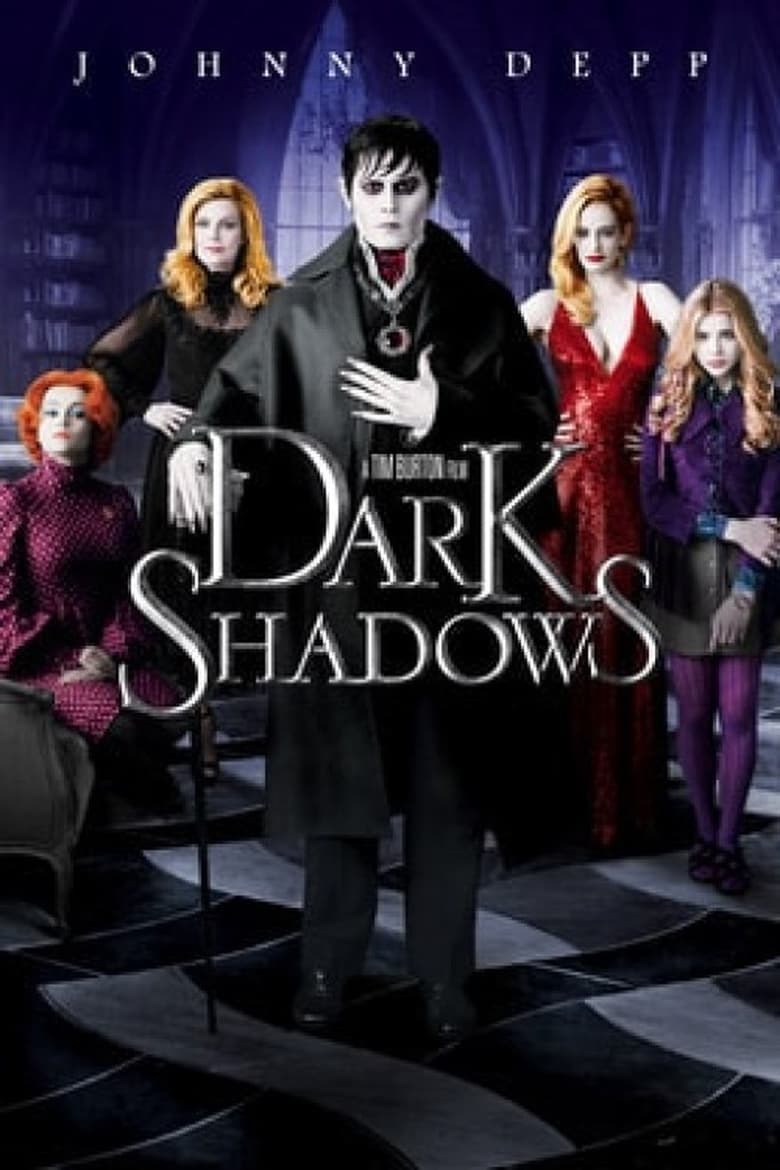
A Look at the Cast of Dark Shadows (2012)
Overall Score
Fair
Category Breakdown
LGBTQ+ Representation
The film follows a gothic romantic framework centered on heteronormative pairings. While it explores themes of 'otherness' through a supernatural lens, it lacks explicit same-sex intimacy or non-cisnormative identities as central plot drivers.
Gender Representation
Women in the film often possess higher situational awareness and agency than their male counterparts. The narrative disrupts traditional hierarchies by portraying patriarchal authority as incompetent or obsolete when facing supernatural chaos.
Racial & Ethnic Diversity
The mid-20th-century New England setting limits racial breadth, resulting in a primarily homogeneous Anglo-Saxon cast. While supernatural elements occasionally disrupt social boundaries, the film does not feature a non-white majority.
Religious & Cultural Diversity
The story excels at deconstructing Western institutions by portraying the traditional family and landed gentry as fractured. It critiques rigid, class-based social structures through a lens of moral relativism.
Disability Representation
Supernatural 'monsters' serve as metaphors for neurodivergence and physical difference. However, these traits often function as stylistic plot devices rather than providing deep, agency-driven representation of lived experiences.
Strengths
Areas for Improvement
AI Analysis
The film functions as a gothic reimagining that prioritizes the 'outsider' archetype over demographic intersectionality. It succeeds by using its narrative architecture to challenge the stability of traditional social norms and patriarchal authority. While the casting leans toward a homogeneous demographic due to its historical period setting, the film finds strength in its subversion of class and family structures. It celebrates the disruption of the status quo through its central protagonist. Ultimately, the production sits in the mid-range of the progressive spectrum. It trades explicit demographic diversity for a thematic exploration of non-normative existence and the deconstruction of established Western hierarchies.
No reviews yet. Be the first to share your thoughts on this movie!
Use the rating form above to leave a star rating and optional review.