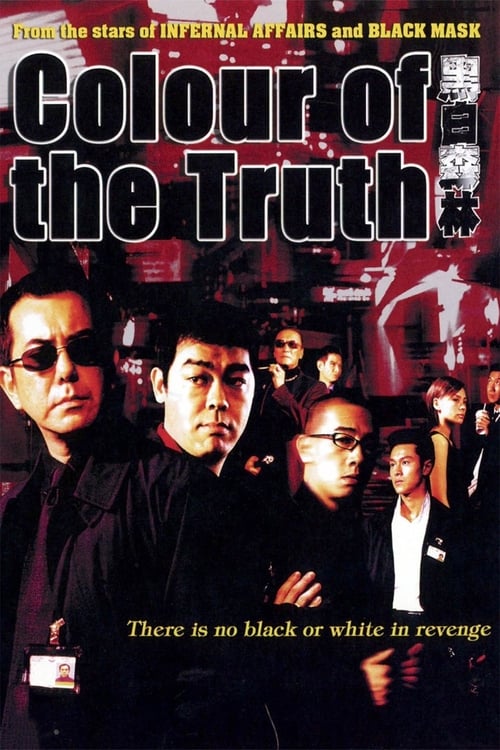
Colour of the Truth
2003
No user ratings available yet
Representation score: 4.0 out of 10
Representation Score
Fair
1990
Director
O Sing-Pui
Runtime
93 minutes
Average Rating
No ratings yetNew Showbiz Analysis
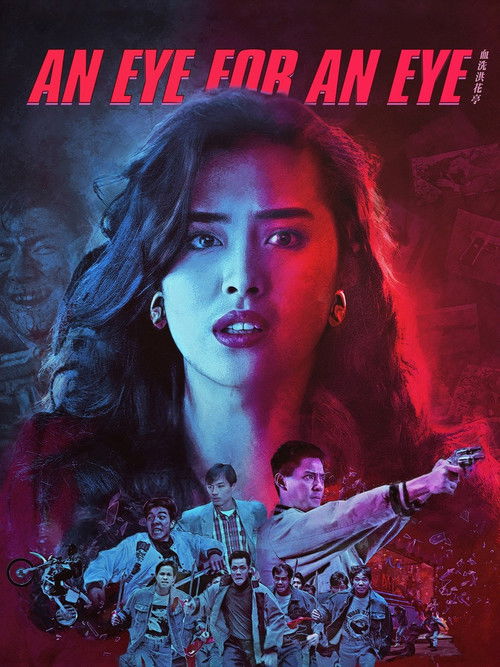
An Eye for an Eye stands out within the Hong Kong action genre by focusing on generational shifts and familial dynamics. While it adheres to the era's cultural homogeneity, it avoids typical crime clichés by empowering its female lead to navigate and reform systemic corruption. The film's strength lies in its subversion of patriarchal structures, shifting the locus of power from the father to the daughter. However, it remains limited by a lack of multi-layered complexity and a narrow focus on traditional relationship dynamics. Ultimately, the work provides a nuanced look at systemic reform within organized crime, even if it stays within the conventional bounds of its production era's social representation.
Category Breakdown
The film does not explicitly depict LGBTQ+ identities. It focuses on the relationship dynamics between the daughter, her father, and her partner, which are centered around heterosexual relationships.
Fung is a proactive protagonist who drives the plot by trying to reform the triad organization. She subverts traditional patriarchal leadership by taking control of her own destiny.
The cast is ethnically homogeneous, reflecting the specific cultural landscape of 1990s Hong Kong. It functions as a culturally specific narrative rather than a globally diverse one.
The story explores subjective morality through a complex struggle involving reformed criminals and law enforcement. It examines the instability of traditional institutions like the family.
There is no evidence regarding the portrayal of physical or neurodivergent disabilities within the narrative.
Present on Screen
Limited or Absent
Official Synopsis
When Fung's cop boyfriend Tats puts her supposedly reformed triad father behind bars, her daughter Fung aims to rid the organization of it's dirty ties, but one of Fung's father chief goons, Cheong, plans for a very hostile takeover.
2003
1987
1996
1992
2000
1974
1992
2013
No reviews yet. Be the first to share your thoughts on this movie!
Use the rating form above to leave a star rating and optional review.