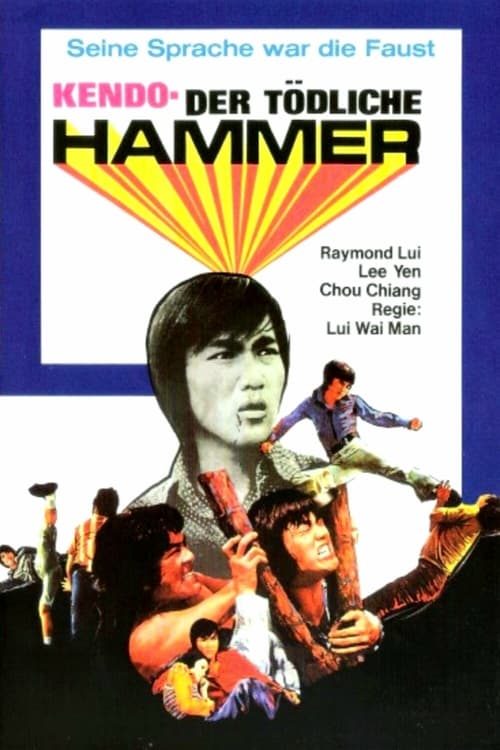
The Tiger Jump
1974
No user ratings available yet
Diversity score: 4.0 out of 10
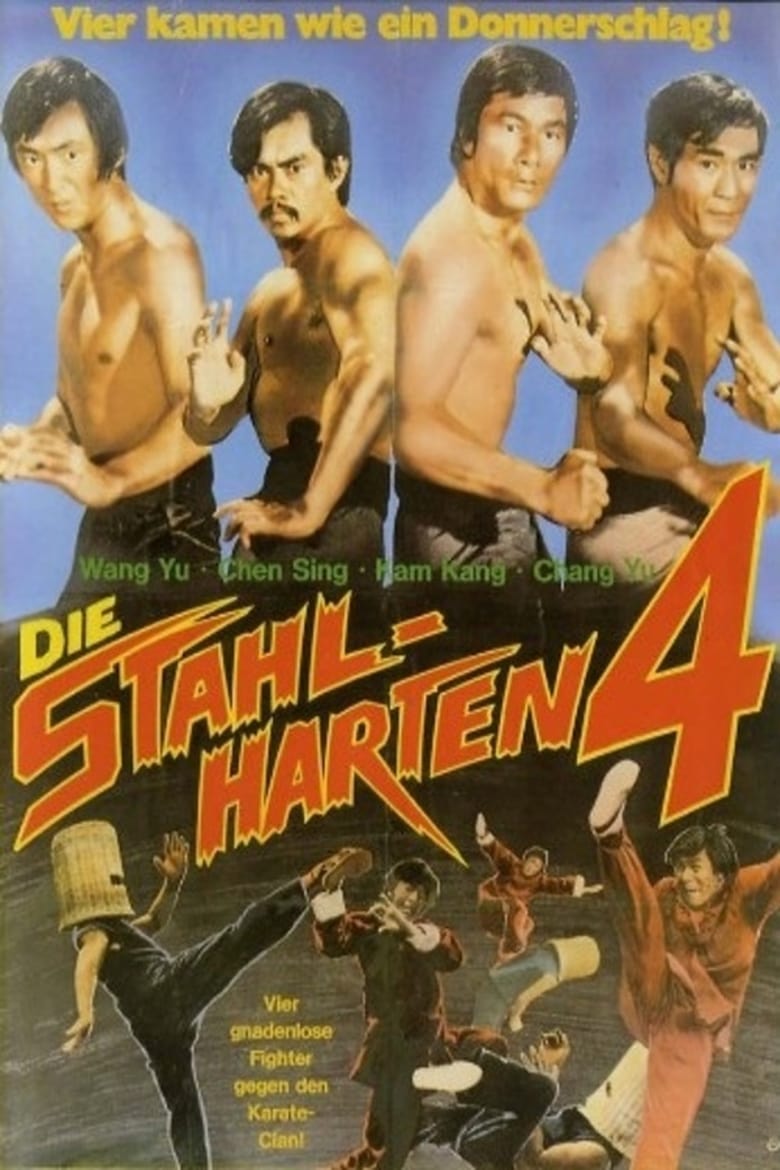
1974
RDirector
Jimmy Wang Yu
Runtime
90 minutes
Average Rating
No ratings yetSynopsis
When a case of gold is stolen in transit, the surviving member of an escort party, Sung tries to recover it. He initially turns to Master Wu who unfortunately develops a drinking problem after he gets out of prison for accidentally killing someone. He has felt guilty ever since. Wu's friend Hung decides to help Sung and enlists a conman, Sau Pau.
Overall Score
Limited
Category Breakdown
LGBTQ+ Representation
The film focuses on traditional masculine camaraderie and restorative action. There is no indication of non-heteronormative identities or critiques of heteronormativity.
Gender Representation
The narrative prioritizes male-centric agency, driven by a group of men including Sung, Wu, Hung, and Sau Pau. No female characters with significant agency are present.
Racial & Ethnic Diversity
As a Hong Kong martial arts production, the film features a culturally specific, non-Western cast. It operates entirely outside of Anglo-Saxon hegemony.
Religious & Cultural Diversity
The story explores subjective morality and the psychological burdens of social disgrace. It offers a complex view of social order through themes of guilt and systemic failure.
Disability Representation
There is no evidence of characters navigating physical, neurodivergent, or sensory disabilities within the narrative.
Strengths
Areas for Improvement
AI Analysis
Four Real Friends is a genre piece deeply embedded in the traditional martial arts conventions of its era. The film's strength lies in its departure from Western-centric norms, offering a localized perspective on justice and social dynamics through a non-Western lens. However, the narrative is heavily centered on male-driven plots and traditional masculine archetypes. This focus limits the film's intersectional complexity and leaves little room for diverse identity representation. Ultimately, while the film explores nuanced moral landscapes and the fallibility of leadership, it lacks the breadth of representation found in more contemporary, progressive storytelling.
1974
1971
1977

1971
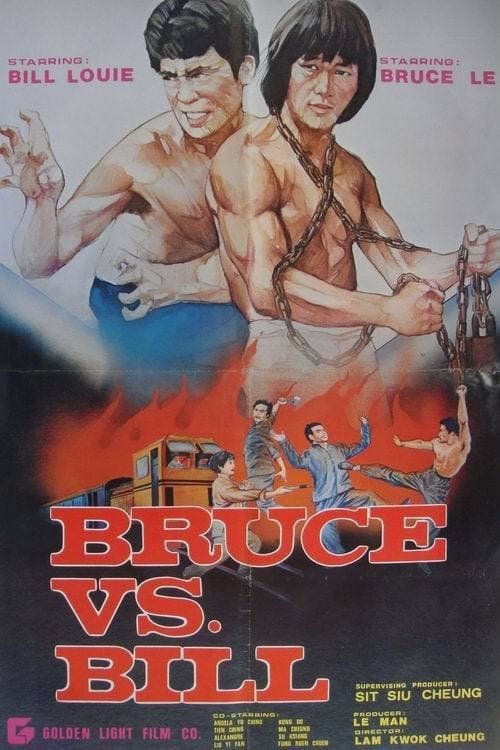
1981
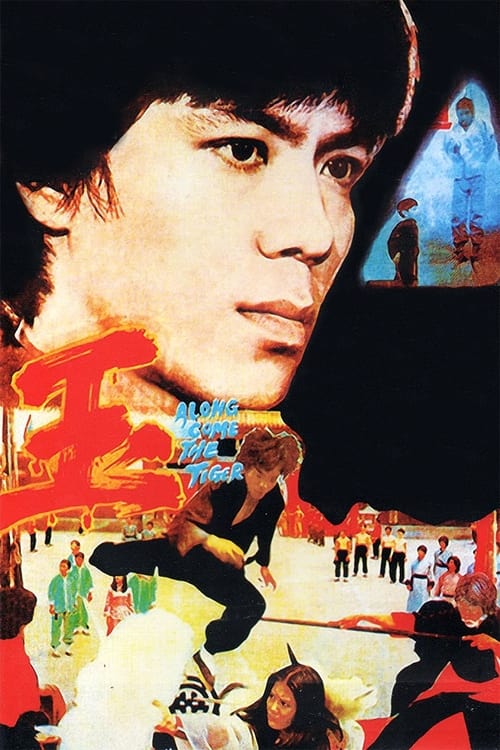
1977
1973

1973
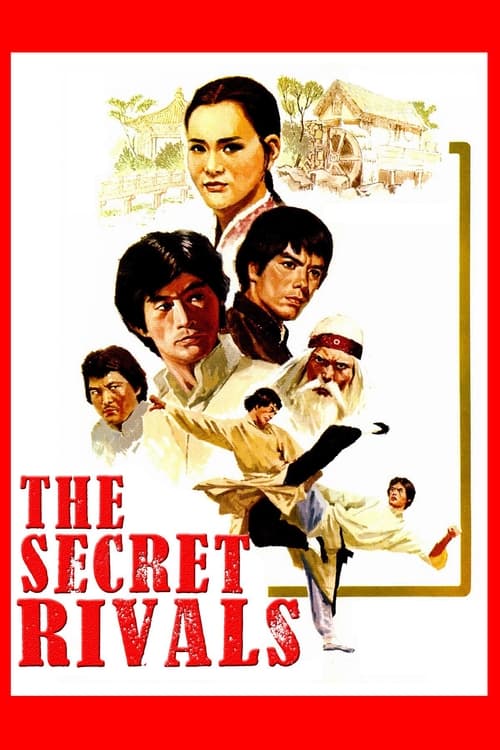
1976
1979
1982

1998
No reviews yet. Be the first to share your thoughts on this movie!
Use the rating form above to leave a star rating and optional review.