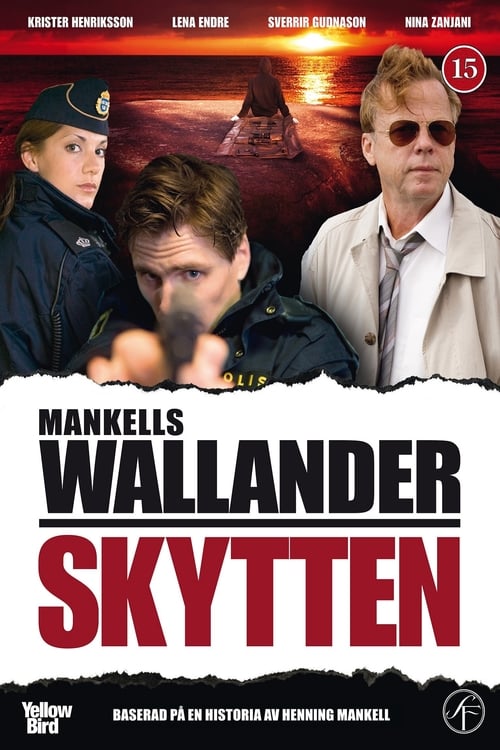
Wallander: The Sniper
2009
No user ratings available yet
Representation score: 3.3 out of 10

Representation Score
Limited
2010
TV-MADirector
Kathrine Windfeld
Runtime
90 minutes
Average Rating
No ratings yetNew Showbiz Analysis
Wallander: The Collector operates as a traditional Nordic Noir procedural that prioritizes atmospheric tension over social subversion. The narrative adheres to established genre conventions, focusing on the psychological toll of crime-solving within a standard Swedish framework. The film maintains a homogeneous social landscape, lacking diverse ethnic representation or LGBTQ+ storylines. It relies heavily on traditional power structures, particularly through paternalistic hierarchies and masculine archetypes. Ultimately, the production functions within a localized, ethnically uniform context. It seeks to restore order through law enforcement rather than deconstructing or challenging existing social or cultural norms.
Category Breakdown
The film does not feature prominent LGBTQ+ characters or storylines. Relationships are portrayed through traditional heterosexual norms without challenging gender-based orientations.
Isabell introduces complex professional tensions in a male-dominated environment, but her role is constrained by paternalistic hierarchies. The narrative reinforces traditional masculine archetypes through the stoic, solitary figure of Wallander.
The casting reflects a largely homogeneous Swedish landscape. There is a notable absence of diverse ethnic backgrounds among the main characters and victims.
The story adheres to standard Western institutional frameworks. It explores societal darkness through law enforcement without critiquing Western institutions or offering moral relativism.
The film does not engage with visible or invisible disabilities. Character struggles are focused on psychological and professional issues rather than physical or neurodivergent impairments.
Present on Screen
Limited or Absent
Official Synopsis
A young woman is killed and robbed in her apartment. The trail leads to her indebted ex-boyfriend, a bouncer. In the investigation, the police officer Pontus notices that his colleague is nervous. Isabell carries around a dark secret: one of the suspects, in this case, has a means of pressure against her in her hand. Commissioner Wallander has a great deal on the capable young policewoman, whose loyalty to her fatherly superior is subjected to a hard test of endurance.
2009
2009
2009
2010

2013

2005
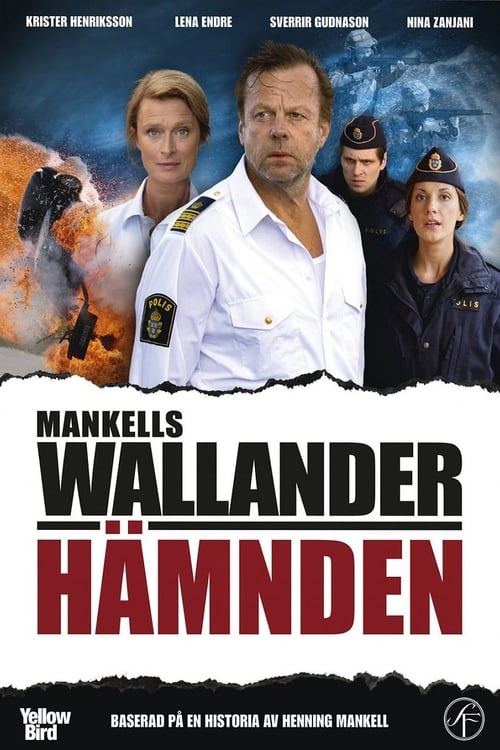
2009
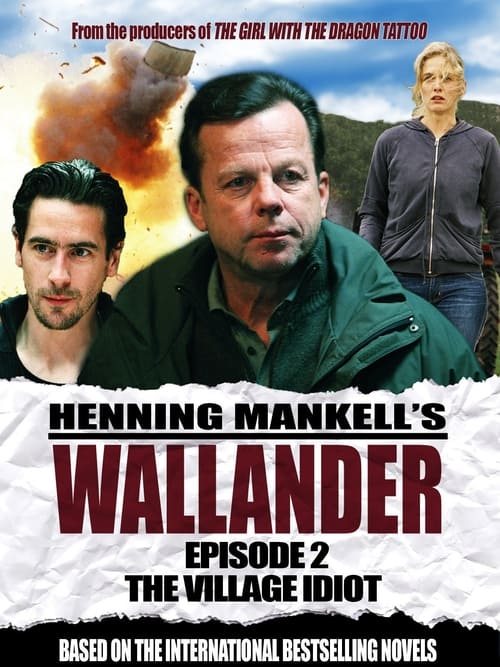
2005
No reviews yet. Be the first to share your thoughts on this movie!
Use the rating form above to leave a star rating and optional review.