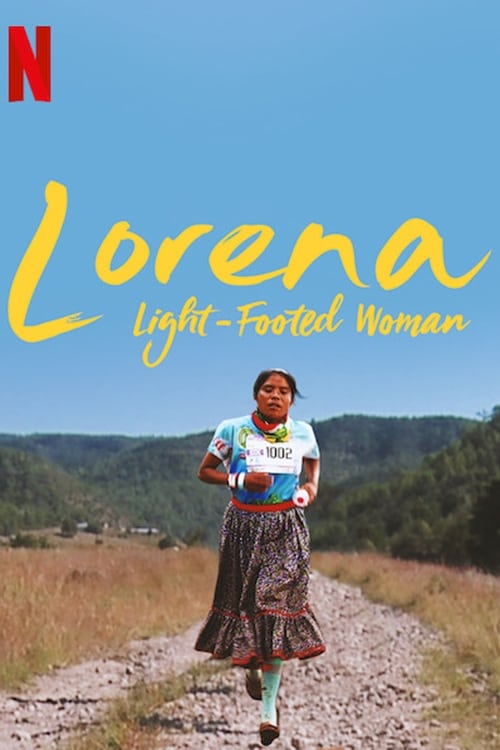
Lorena: Light-Footed Woman
2019
No user ratings available yet
Representation score: 4.7 out of 10
Representation Score
Good
2020
TV-GDirector
Bernardo Ruiz
Runtime
70 minutes
Average Rating
No ratings yetNew Showbiz Analysis
The documentary succeeds by centering the Rarámuri people, moving beyond including someone from a minority group without giving them real depth to provide substantive indigenous ability to act. It effectively frames a global sporting event through a localized, cultural lens that challenges Western athletic hierarchies. While the film excels in ethnic and cultural representation, it lacks depth in other areas. There is no visible data regarding LGBTQ+ themes or specific gendered power dynamics. The focus on extreme physical capability also leaves disability representation unaddressed. Ultimately, the film is a meaningful piece of ethnographic cinema. It uses the ultramarathon to explore the intersection of physical resilience and the preservation of non-Western traditions.
Category Breakdown
The film does not include any LGBTQ+ characters or themes. It focuses solely on the athletic and cultural aspects of the Rarámuri community.
The documentary highlights communal endurance but does not provide specific details about female leadership. Without clear examples of overturned gender hierarchies, the representation remains moderate.
The film centers the Rarámuri people, giving them a significant role in driving the story as protagonists. It avoids the typical spectacle lens, instead focusing on their unique indigenous traditions.
The narrative prioritizes local values and land relationships over commercial athleticism. It explores how the race serves as a tool for indigenous cultural continuity and reclamation.
The story emphasizes extreme physical mastery and human endurance. It does not explicitly feature neurodivergent or physically disabled representation within the narrative.
Present on Screen
Limited or Absent
Official Synopsis
In the annual Ultra Maratón Caballo Blanco, runners compete in the spectacular Copper Canyon of Chihuahua, Mexico, home to the indigenous Rarámuri people. The town of Urique has hosted the event since 2004, after an American athlete created the race as a way for the Rarámuri, who are known for their endurance running, to honor and preserve their culture.
2019
2014
2018
2016
2013
2016
2012
2010
No reviews yet. Be the first to share your thoughts on this movie!
Use the rating form above to leave a star rating and optional review.