
Your Fingertips
2007
No user ratings available yet
Representation score: 5.2 out of 10

Representation Score
Fair
2012
Director
Daisuke Shimote
Runtime
86 minutes
Average Rating
No ratings yetNew Showbiz Analysis
Kuro is an intimate character study that examines the rejection of conventional social structures through a communal living arrangement. By using a deserted seaside inn as a transitional space, the film enables its characters to step away from the economic realities of Tokyo. While the film offers a subtle critique of capitalist urban pressures, it lacks explicit representations of diverse identities. The narrative focuses on existential realism rather than actively dismantling systemic issues, resulting in a moderate diversity profile. The representation remains largely neutral due to a lack of clearly defined queer identities or diverse ethnic casting, focusing instead on the shared experiences of young adults navigating urban life.
Category Breakdown
The film showcases a group of characters living together in a non-traditional communal setup. Although their sexual orientations are not explicitly stated, their living situation stands apart from the typical nuclear family structure.
Kuro’s involvement in the labor market highlights the experiences of young women. The story downplays traditional gender roles by emphasizing personal escape rather than traditional domestic duties.
Set in Tokyo, the film seems to mirror the city’s demographic makeup. There is no indication of casting that breaks away from traditional ethnic compositions.
The story critiques the fast-paced urban lifestyle by presenting a retreat to a deserted inn as a valid response to modern life. It prioritizes individual emotional truth over institutional stability.
The narrative does not include any characters with visible or invisible disabilities.
Present on Screen
Limited or Absent
Official Synopsis
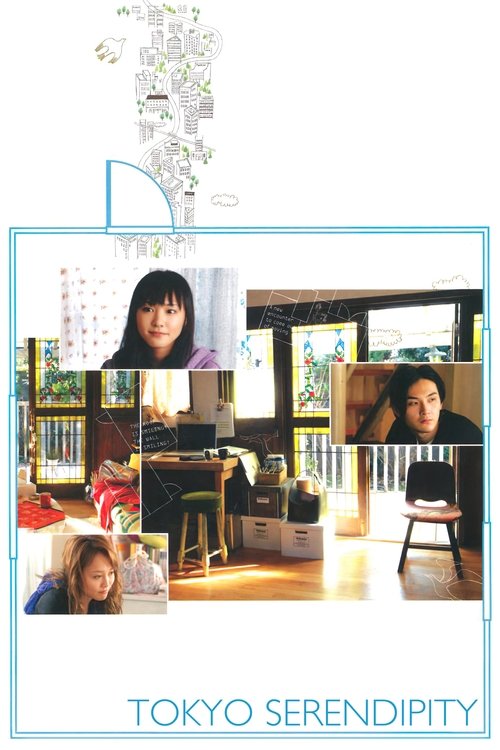
Three young people in Tokyo. Kuro is a girl working a part-time job at a bakery. Eito is a photographer. Gou is a theater director. These three individuals meet by coincidence and, as a means to escape reality, begin living together at a deserted inn near the sea.
2007

2005

2016

1998

2013
2007

1993

2016
No reviews yet. Be the first to share your thoughts on this movie!
Use the rating form above to leave a star rating and optional review.