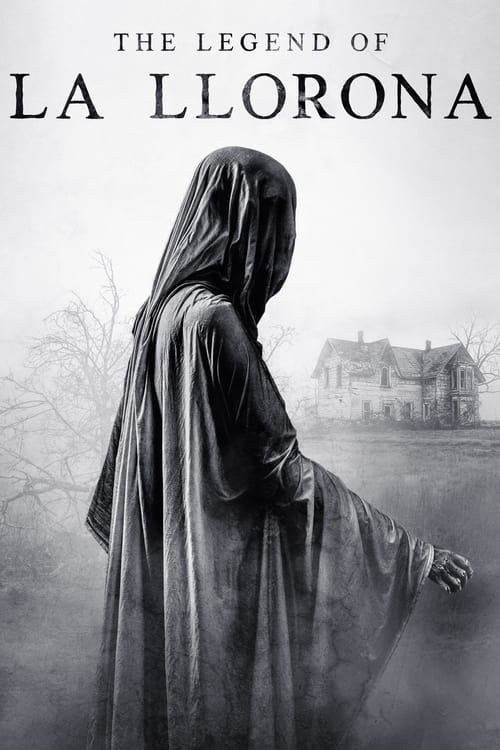
The Legend of La Llorona
2022
No user ratings available yet
Representation score: 1.7 out of 10
Representation Score
Limited
2007
RDirector
Benjamin Williams
Runtime
87 minutes
Average Rating
No ratings yetNew Showbiz Analysis
The film functions as a typical genre piece that uses non-Western settings without necessarily challenging Western narrative structures. While it incorporates Mexican folklore, the protagonist remains an American outsider navigating a foreign land. Gender and identity representation are limited to traditional archetypes. Female characters are defined by grief and terror, and family dynamics follow conventional assumptions about straight relationships. Overall, the work lacks the depth needed for a progressive score, relying instead on established horror clichés and colonial storytelling frameworks.
Category Breakdown
The story revolves around a traditional family crisis involving an estranged mother and a missing sister. There is no representation of LGBTQ+ identities or critiques of the assumption that everyone is straight or cisgender.
The film centers on female-driven folklore and maternal conflict, but it relies on the distressed female cliché. Female characters are defined by grief and terror, lacking complex ability to act and following traditional patterns.
The setting in Chiapas, Mexico, introduces non-Anglo-Saxon landscapes and indigenous folklore. However, the local population risks being used as an exotic backdrop for a Western protagonist's journey.
The plot explores non-Western mythology and localized superstition. However, the narrative structure follows a Western-centric storytelling pattern driven by supernatural horror clichés.
The film contains no mention of characters navigating physical, neurodivergent, or mental health conditions.
Present on Screen
Limited or Absent
Official Synopsis
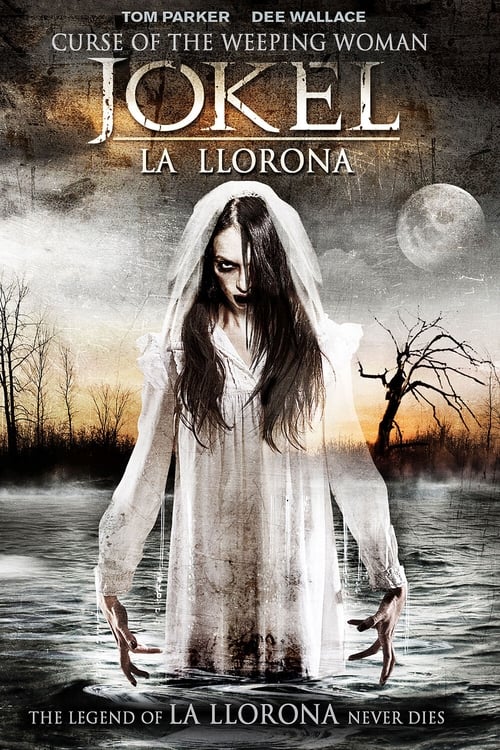
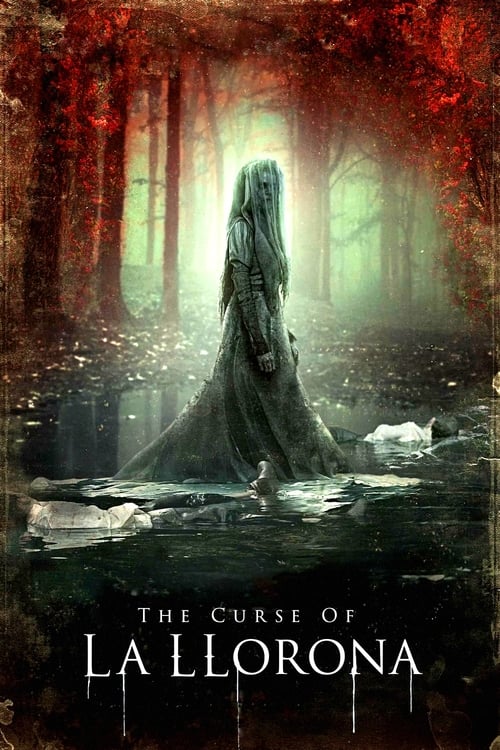
An unworldly and closed-minded American travels to a small village in exotic Chiapas, Mexico; at the behest of his estranged mother when his half-sister disappears during a local epidemic of kidnappings attributed to the legendary J-ok'el, the weeping woman, who drowned her own babies, centuries ago and whose spirit has returned to claim more children as her own.
2022
1976

2007
2003
2012

2012
2017
2019
No reviews yet. Be the first to share your thoughts on this movie!
Use the rating form above to leave a star rating and optional review.