Johnny 100 Pesos: Chapter Two
2017
No user ratings available yet
Representation score: 5.9 out of 10
Representation Score
Good
2018
Director
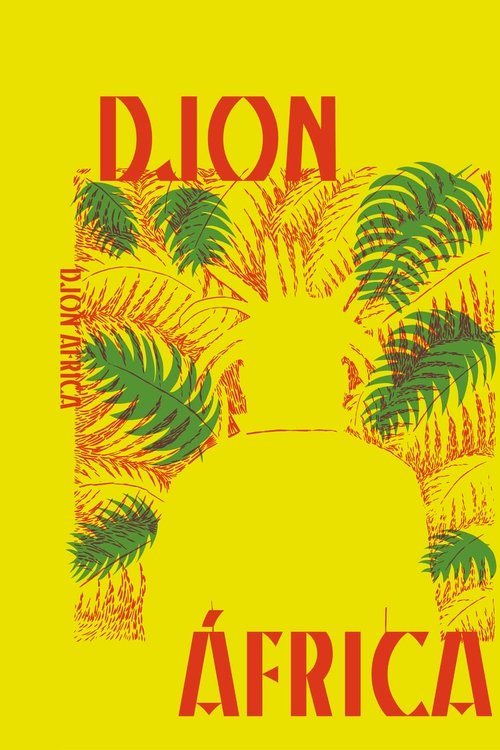
Filipa Reis, João Miller Guerra
Runtime
98 minutes
Average Rating
No ratings yetNew Showbiz Analysis
Djon África is a sophisticated piece of post-colonial cinema that uses a personal journey to critique historical power dynamics. Its primary strength lies in its nuanced exploration of the African diaspora and the fragmented identities resulting from colonial history. By tracing a path from the metropole to Cape Verde, it challenges Eurocentric norms and reclaims ability to act for its protagonist. The film moves away from monolithic storytelling to embrace a more layered understanding of personhood. While the film lacks specific focus on LGBTQ+ or disability narratives, its strong representation of racial and cultural diversity makes it a progressive work. It successfully uses sensory-driven storytelling to explore complex social legacies.
Category Breakdown
The story emphasizes paternal lineage and ancestral ties. While the protagonist enjoys the company of women, the film lacks explicit queer character arcs or non-assuming gender matches what was assigned at birth narratives.
The narrative shifts focus by centering a grandmother as the keeper of history. This disrupts traditional patriarchal structures, though it does not fully challenge gender hierarchies.
The film excels by focusing on a Black protagonist navigating heritage between Portugal and Cape Verde. It effectively dismantles the colonial gaze and explores the African diaspora through character-driven storytelling.
The film offers a post-colonial critique through the protagonist's Rastafarian identity. It examines how colonial displacement disrupts family units and traditional Western stability.
There is no evidence of characters with physical or neurodivergent disabilities. This aspect of the narrative remains unaddressed.
Present on Screen
Limited or Absent
Official Synopsis
Miguel —alias Tibars, alias “Djon África,” born and raised in Portugal— is a kindhearted Rastafarian who loves women and lives a carefree life. Until one day a stranger tells him he's the spitting image of his father, “a player and a crook.” His father, whom he never even knew! This intriguing discovery makes him change tack. Particularly when his grandmother, who always took care of him, finally tells him how his father was in prison; how sad Miguel was as a toddler when he couldn't see him; how his father was banished to Cape Verde. Miguel goes there to visit him. Who is this man?
2017

2008
2007
2022
2023

2019
2020
2007
No reviews yet. Be the first to share your thoughts on this movie!
Use the rating form above to leave a star rating and optional review.