Ever-Ready Women
1987
No user ratings available yet
Representation score: 8.6 out of 10
Representation Score
Good
2008
Director
Uroš Stojanović
Runtime
86 minutes
Average Rating
No ratings yetNew Showbiz Analysis
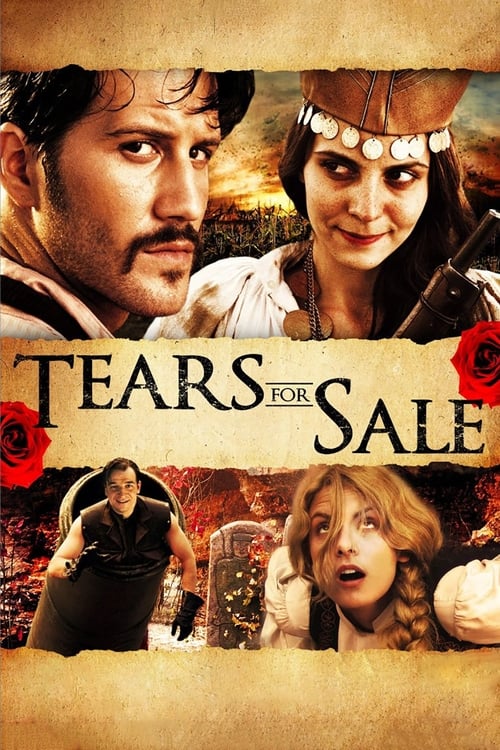
Tears for Sale is a stylized exploration of gender dynamics that disrupts patriarchal expectations. By placing the power in the hands of female protagonists, the film challenges the cliché of women as passive characters. While the film excels in subverting gendered power structures, it remains limited in its breadth of identity. The narrative is deeply rooted in a specific South Slavic context and lacks explicit LGBTQ+ representation. Ultimately, the film's strength lies in its refusal to center male authority, opting instead for a magical realist look at female-driven social restructuring.
Category Breakdown
The film operates within a framework that assumes everyone is straight or cisgender, with no explicit depictions of queer identities or romantic arcs.
The narrative challenges the cliché of women as passive characters by centering women's ability to drive the story in a village devoid of men. Ognjenka and Mala Boginja act as the primary architects of their community's survival.
The cast reflects the ethnic homogeneity of a 1930s Serbian village, focusing on regional identity without engaging with multicultural casting or diverse racial identities.
The story critiques traditional institutional stability through the sisters' rebellion, contrasting isolated, traditionalist lifestyles with the chaotic ability to act of the modern metropolis.
There is no significant evidence regarding the portrayal of physical or neurodivergent disabilities within the film.
Present on Screen
Limited or Absent
Official Synopsis
Story of two sisters that grew up in a small Serbian village in the beginning of the 1930s. The village is torn up by wars and years long blood oath. There are no men left in the village. Our heroines, Ognjenka and Mala Boginja decide to go to the city, kidnap men and return life to their village. The lights of the metropolis dazzle them and there starts this little amusing and sentimental adventure.
1987
2011

2010
2021
2004

1997
2011
2012
No reviews yet. Be the first to share your thoughts on this movie!
Use the rating form above to leave a star rating and optional review.