Absurdistan
2008
No user ratings available yet
Representation score: 8.2 out of 10
Representation Score
Good
2011
RDirector
Gabriela Tagliavini
Runtime
83 minutes
Average Rating
No ratings yetNew Showbiz Analysis
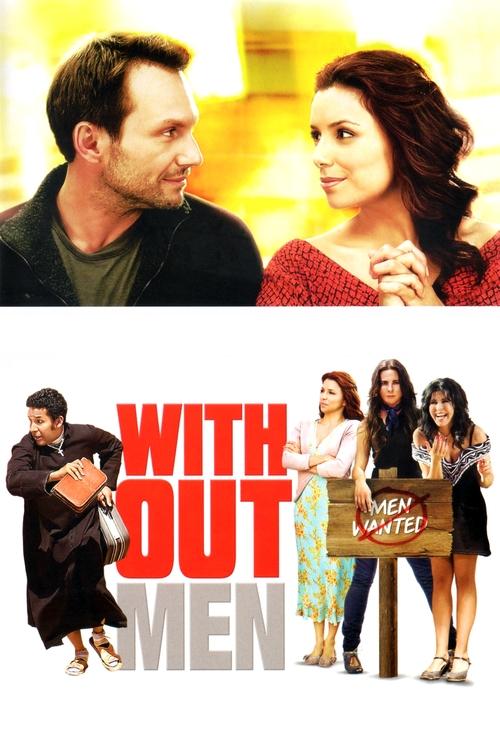
Without Men is a sociological study of gendered power dynamics. By isolating a female collective from patriarchal structures, the film explores the transition from domestic subordination to communal autonomy. It effectively challenges conventional expectations of female roles. The film's strength lies in its subversion of gender hierarchies, positioning the female collective as a sophisticated, self-governing entity that views the return of men as a disruptive force rather than a stabilizing one. However, the narrative lacks depth in other areas of identity. It does not center LGBTQ+ identities or provide representation for characters with disabilities, focusing instead on a specific gendered social reconfiguration.
Category Breakdown
The film focuses on heterosexual and cisgender explorations of female desire and ability to act. It does not center LGBTQ+ identities or queer romantic arcs as primary plot drivers.
The narrative excels at challenging traditional gender hierarchies by moving women from passive roles to active architects of a new social order. It critiques patriarchal authority through a clash of sexes.
Set in a remote Latin American village, the film provides a framework for exploring localized social structures. However, it focuses more on gendered sociology than on racial diversity.
The story portrays a communal utopia that supersedes traditional family units and patriarchal institutions. It critiques the instability of reclaiming traditional power dynamics.
There is no discernible evidence regarding the inclusion of characters with visible or invisible disabilities. The focus remains on the broader sociological movement of the village.
Present on Screen
Limited or Absent
Official Synopsis
In a small and remote Latin American mountain village, all the men are recruited to fight in the country's civil war. Left to fend for themselves, the women of the town, led by Rosalba, slowly emerge from their supporting roles as wives and daughters to become unwitting founders of a remarkable new society: an all female utopia. When the men, led by an American reporter, return to try to reclaim their power, a clash of sexes ensues with unsuspected consequences.
2008
2011

2013
2011

1993

2003

2010

2020
No reviews yet. Be the first to share your thoughts on this movie!
Use the rating form above to leave a star rating and optional review.