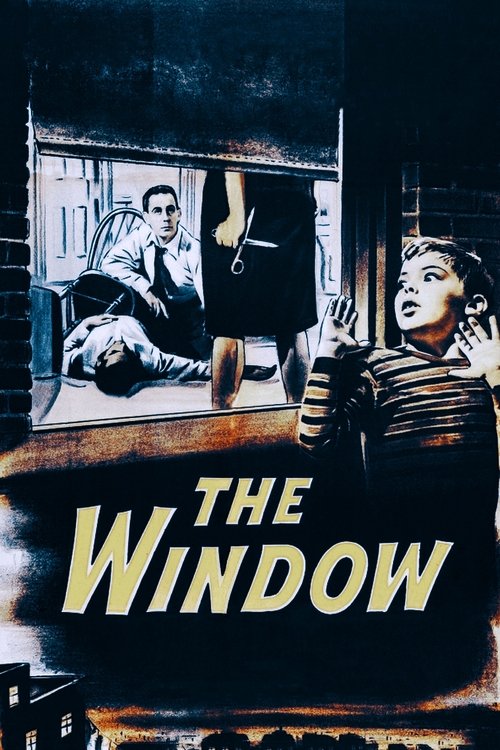
The Window
1949
No user ratings available yet
Representation score: 2.4 out of 10

Representation Score
Limited
1972
Director
Guido Zurli
Runtime
89 minutes
Average Rating
No ratings yetNew Showbiz Analysis
The Boy Who Knew Too Much! is a traditional crime thriller that emphasizes suspense over social commentary. The narrative relies on the classic 'unreliable witness' cliché to drive its crime and thriller elements. Representation is minimal, as the film maintains the conventional social dynamics and character types typical of its 1972 production period. It does not aim to challenge existing norms or promote diverse identities. Ultimately, the film serves as a genre-specific thriller rather than a work designed to subvert cultural norms or provide varied perspectives.
Category Breakdown
The film does not include any characters with non-binary or transgender identities. It focuses on a child protagonist within a typical crime story framework, reflecting the social norms of the early 1970s.
The story centers around a young male protagonist and his interactions with male authority figures. There is no indication of strong female roles or challenges to traditional gender roles.
The film follows the typical racial demographics expected in 1970s regional cinema. There is no evidence of a predominantly non-white cast or actors playing roles outside their traditional backgrounds.
The plot uses a boy versus authority figure cliché as a thriller device. It does not critically examine religious morality or prioritize anti-establishment ideas.
The film does not mention any characters with physical, sensory, or neurodivergent disabilities.
Present on Screen
Limited or Absent
Official Synopsis
Little Ilker is a real trouble maker. He regularly prank calls the police, the fire department and plays tricks on anyone he encounters. One evening, while snooping around, Ilker witnesses a vicious murder and immediately runs to tell about it. There's only one problem...no one believes him!
1949
1963
1985

2003
1991
1984

1982

1968
No reviews yet. Be the first to share your thoughts on this movie!
Use the rating form above to leave a star rating and optional review.