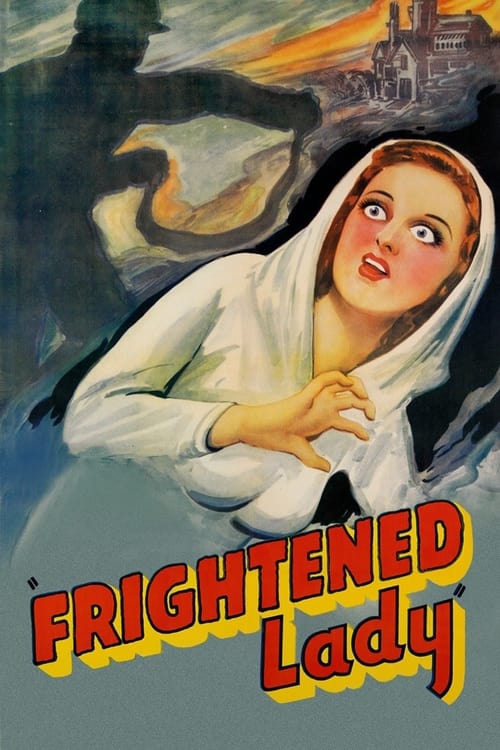
The Case of the Frightened Lady
1940
No user ratings available yet
Representation score: 0.4 out of 10
Representation Score
Minimal
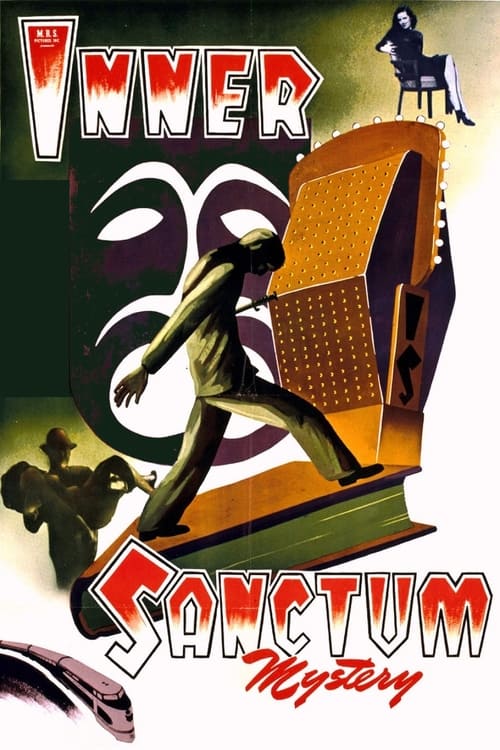
1948
NRDirector
Lew Landers
Runtime
62 minutes
Average Rating
No ratings yetNew Showbiz Analysis
Inner Sanctum is a mid-century mystery that focuses on genre conventions rather than exploring identity. It presents a closed investigation of guilt that aligns with the narrative structures of the late 1940s. The film upholds the social hierarchies of the time rather than challenging them. The cast and cultural backdrop reflect the era’s Anglo-centric norms and traditional Western morality. While the film includes a central female character, the power dynamics are rooted in the gendered structures of the era.
Category Breakdown
The film does not include any non-straight or non-cisgender identities or same-sex relationships. It stays within the traditional assumption that everyone is straight or cisgender.
Cleo Moore plays a central role, but her actions are mainly reactive to male scrutiny. The story upholds the standard gender roles of the time, where women are subjected to male investigation.
The cast is homogeneous, fitting the industry standards of the era. There is no representation of non-Anglo characters or diverse ethnicities.
The story follows traditional Western justice and morality. It supports the stability of the legal system and societal norms without questioning Western institutions.
Psychological issues are used as a plot device to advance the mystery. There is no detailed depiction of neurodivergence or characters with disabilities having significant influence.
Present on Screen
Limited or Absent
Official Synopsis
A killer hides out in a small-town boarding house.
1940
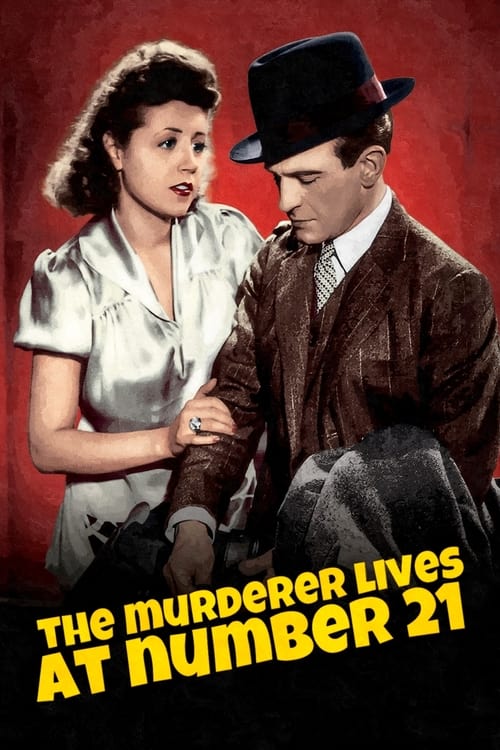
1942
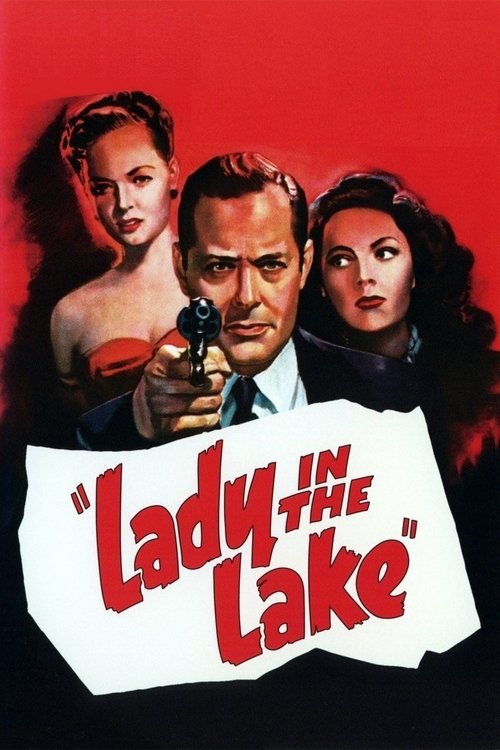
1946
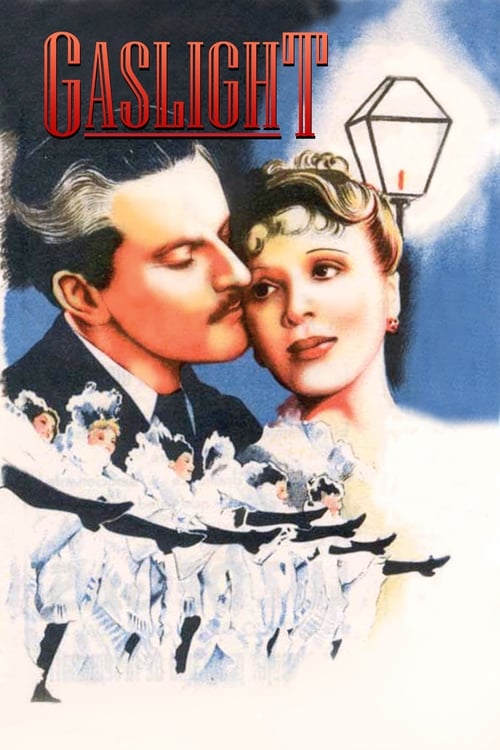
1940
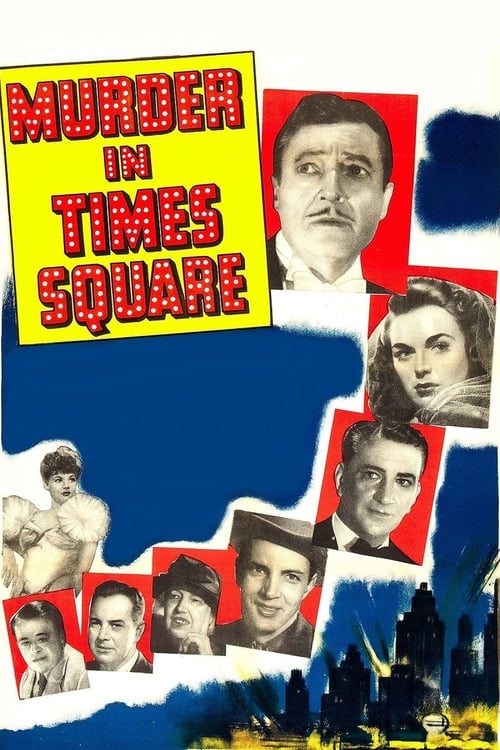
1943
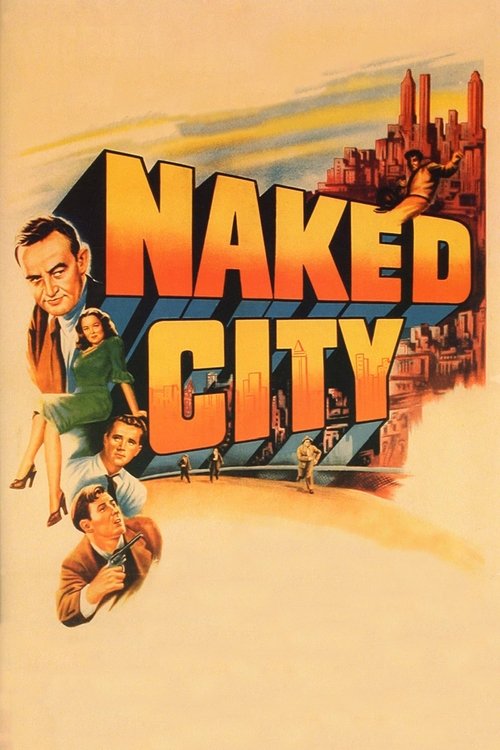
1948
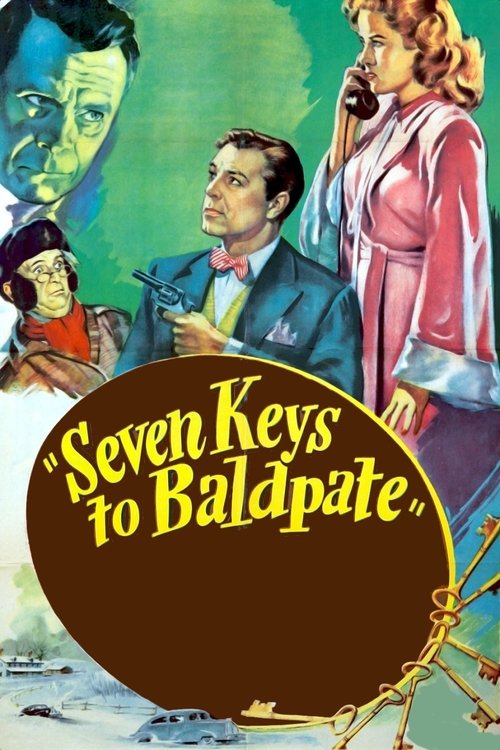
1947
1944
No reviews yet. Be the first to share your thoughts on this movie!
Use the rating form above to leave a star rating and optional review.