Spy Kids
2001
No user ratings available yet
Representation score: 5.5 out of 10
Representation Score
Fair
2011
PGDirector
Robert Rodriguez
Runtime
89 minutes
Average Rating
No ratings yetNew Showbiz Analysis
Spy Kids: All the Time in the World modernizes the spy genre by featuring a person of color and an international cast, moving away from the historically Anglo-centric clichés of espionage cinema. However, the film remains anchored in traditional family structures and reinforces the importance of established institutional authority, limiting its progressive impact. While the gender dynamics offer some nuance through non-traditional parental roles, the lack of LGBTQ+ representation and disability visibility results in a moderate approach to diversity.
Category Breakdown
The film focuses on traditional family structures and does not include significant representation of LGBTQ+ identities or critiques of the assumption that everyone is straight or cisgender in the main character arcs.
Female characters play important roles in the high-stakes spy environment and avoid purely submissive roles. The inclusion of a stepmother character suggests a move towards more nuanced family structures.
The film challenges the typical demographic of the secret agent by centering Donovan Cortez, a person of color. An international cast of agents further disrupts conventional expectations.
The narrative emphasizes established Western structures of authority and institutional stability. It highlights the competence of organized systems like the OSS without presenting anti-institutional sentiments.
The film does not prominently feature visible or invisible disabilities. Characters are defined by professional capabilities and familial roles rather than through the lens of neurodivergence or physical disability.
Present on Screen
Limited or Absent
Official Synopsis
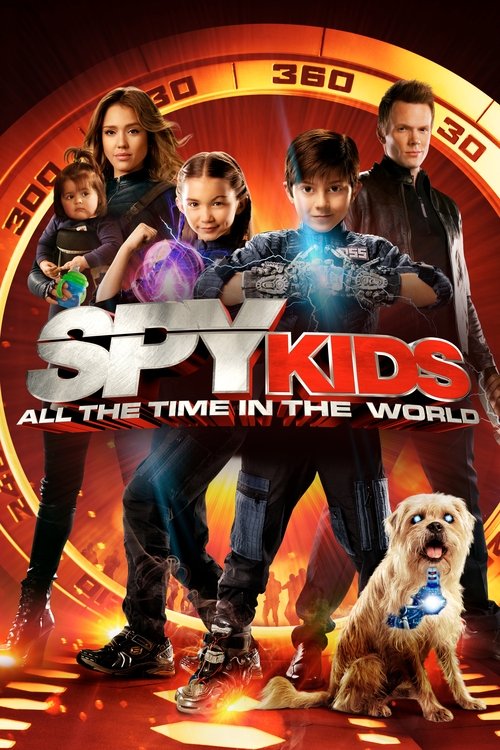
Eight years after the third film, the OSS has become the world's top spy agency, while the Spy Kids department has since become defunct. Retired spy Marissa is called back into action, and to bond with her new stepchildren Rebecca and Cecil, she invites them along to stop the evil Timekeeper from taking over the world.
2001

2003

2002

2008

2003

2005

2010

2002
No reviews yet. Be the first to share your thoughts on this movie!
Use the rating form above to leave a star rating and optional review.