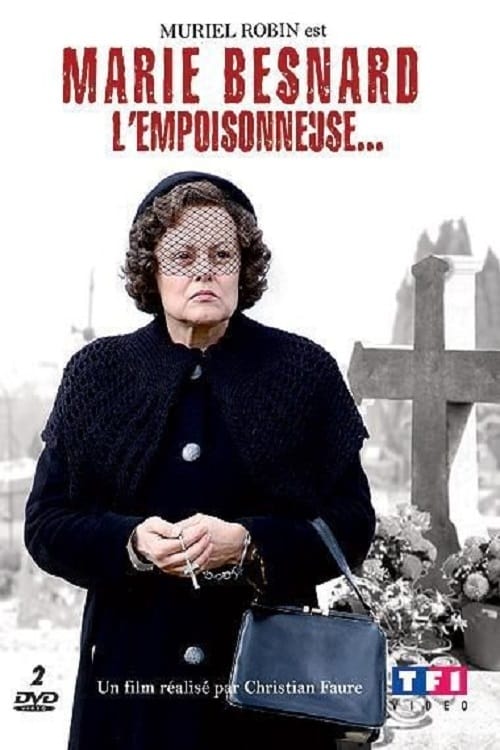
The Poisoner
2006
No user ratings available yet
Diversity score: 3.1 out of 10

1970
Director
Wolfgang Luderer
Runtime
125 minutes
Average Rating
No ratings yetSynopsis
In the nineteenth century, seventeen year old Effi Briest is married to the older Baron von Instetten and moves into a house that she believes has a ghost.
Overall Score
Limited
Category Breakdown
LGBTQ+ Representation
The film adheres strictly to the historical parameters of its 19th-century setting. There are no depictions of non-heteronormative identities or same-sex intimacy.
Gender Representation
The narrative critiques traditional gender hierarchies through a tragic lens. While Effi attempts to exercise agency, she is ultimately crushed by patriarchal structures and restrictive social codes.
Racial & Ethnic Diversity
The cast is homogeneous, reflecting the lack of ethnic diversity within the Prussian aristocracy of the era. No non-white characters or race-bent casting are present.
Religious & Cultural Diversity
The film offers a sophisticated critique of Western institutions. It portrays the Prussian obsession with honor as a destructive and hypocritical system that prioritizes social stability over humanity.
Disability Representation
There are no prominent characters defined by visible or invisible disabilities within the narrative.
Strengths
Areas for Improvement
AI Analysis
This period drama is defined by its strict adherence to the demographic realities of 19th-century Prussia. The lack of racial and LGBTQ+ diversity is a direct reflection of the historical setting and the homogeneous nature of the Prussian aristocracy. However, the film provides depth through its systemic critique. It deconstructs the rigid social hierarchies of the time, framing the concept of 'honor' as an oppressive force rather than a moral standard. Ultimately, the production functions as a tragedy of individual agency versus institutional cruelty, offering cultural insight despite its limited demographic breadth.
2006
2012

2002
1997

2007

2021

2019
2001

2010
1977

1974
1993
No reviews yet. Be the first to share your thoughts on this movie!
Use the rating form above to leave a star rating and optional review.