Horrorvision
2001
No user ratings available yet
Representation score: 2.5 out of 10
Representation Score
Fair
2021
PG-13Director
Isaac Rodriguez
Runtime
68 minutes
Average Rating
No ratings yetNew Showbiz Analysis
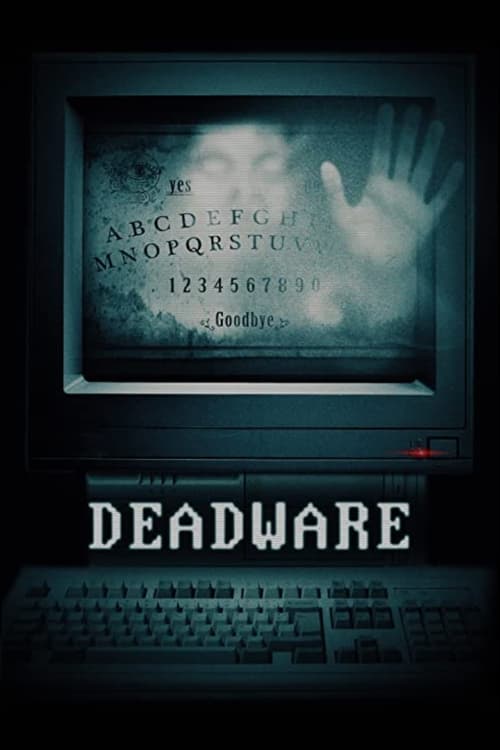
Deadware offers a moderately inclusive profile through its diverse cast. The film uses a multi-ethnic ensemble to address supernatural themes, moving away from the homogeneous casting typical in genre films. However, the narrative structure prioritizes technological horror and genre-specific tension over deeper exploration of social or cultural structures. While the female-led cast provides a basis for representation, the film does not explicitly engage with LGBTQ+ identities or disabilities.
Category Breakdown
The film does not confirm any LGBTQ+ characters or identities. There are no queer narratives or challenges to the assumption that everyone is straight or cisgender.
The film features a predominantly female cast, providing opportunities for women to drive the story. However, the reliance on traditional horror clichés may limit the challenge to gender hierarchies.
The cast includes actors of various ethnicities, such as Ali Alkhafaji and Sarah Froelich, suggesting a move away from homogeneous casting in the found footage format.
The setting highlights the rise of Western digital technology in 1999. The narrative emphasizes technological horror without delving into systemic social critiques or specific ideological frameworks.
There is no documentation of characters with physical, neurodivergent, or mental health disabilities in this film.
Present on Screen
Limited or Absent
Official Synopsis
In 1999, two friends use a webcam for the first time and stumble across a mysterious browser game that may be haunted.
2001
2015

2018
2018
![Movie poster for DD[0]Ser](https://image.tmdb.org/t/p/w500/2lH7WndVCCN9k4y87VC4DczWUOx.jpg)
2020
2022
2005

2018
No reviews yet. Be the first to share your thoughts on this movie!
Use the rating form above to leave a star rating and optional review.