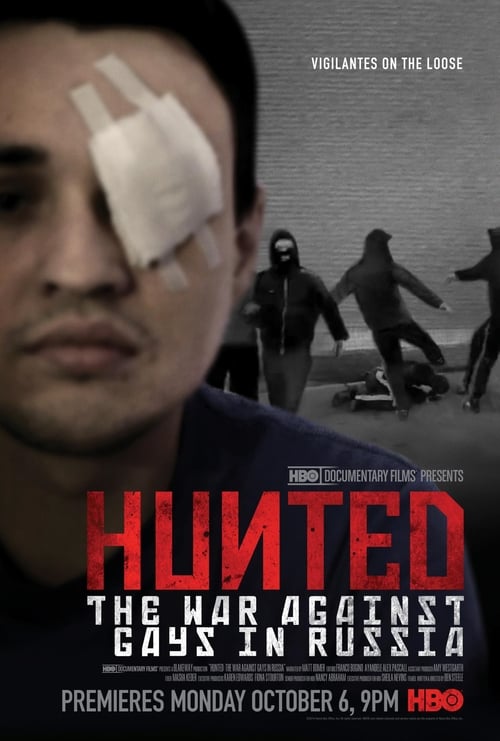
Hunted: The War Against Gays in Russia
2014
No user ratings available yet
Representation score: 6.7 out of 10

Representation Score
Good
2016
TV-14Director
Steven Pomerantz
Runtime
95 minutes
Average Rating
No ratings yetNew Showbiz Analysis
Taking Back Oak Lawn distinguishes itself from standard true-crime procedurals by prioritizing the resilience of the LGBTQ+ community over the psychology of the attackers. It functions as a critique of urban safety standards, highlighting the specific vulnerabilities of non-assuming gender matches what was assigned at birth populations. The documentary succeeds in centering the voices of survivors, transforming them from statistics into agents of communal solidarity. This approach shifts the focus from the violence itself to the humanity and ability to act found in the aftermath. While the film is a powerful exploration of identity-based resilience, its scope is somewhat narrow. The emphasis on a specific demographic of men and the lack of clear racial or disability-related details suggest a more specialized focus.
Category Breakdown
The documentary centers on the lived experiences of gay men facing targeted violence. It gives real power to these individuals through survivor interviews rather than focusing on the perpetrators.
The film explores how victimization challenges traditional masculine archetypes of strength. However, the heavy focus on male survivors limits the breadth of gender-based analysis.
The narrative focuses on a specific demographic crisis in Dallas. While the area is diverse, the film's emphasis remains primarily on sexual orientation rather than racial composition.
The film critiques systemic failures by emphasizing grassroots mobilization over state institutions. It highlights community-led initiatives as a response to inadequate institutional protection.
The film provides no evidence regarding the inclusion of neurodivergence or physical disabilities within its central narrative or character arcs.
Present on Screen
Limited or Absent
Official Synopsis
The ever-changing story of a series of more than 14 brutal attacks in the Oak Lawn area of Dallas, Texas, primarily against gay men in the Fall of 2015. This documentary covers interviews with the survivors, community rallies & meetings, initiatives to make the area a safer place, and the humanity that shines bright when these assaults happen.
2014

2016
1997

2021
2020
2015
2014

2017
No reviews yet. Be the first to share your thoughts on this movie!
Use the rating form above to leave a star rating and optional review.