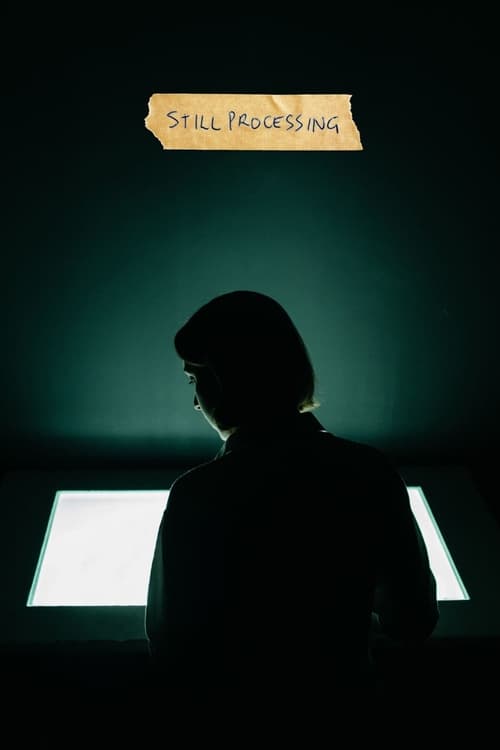
Still Processing
2021
No user ratings available yet
Representation score: 7.4 out of 10

Representation Score
Minimal
2022
Director
André Bonzel
Runtime
110 minutes
Average Rating
No ratings yetNew Showbiz Analysis
The documentary serves as a reflective exploration of memory and lineage, using home movies to reconstruct a lost past. It centers on the intersection of archival discovery and personal identity. While the film lacks broad demographic data, it challenges the stability of traditional domestic legacies. Its impact lies in gendered memory and the investigation of family secrets rather than a wide spectrum of demographic representation.
Category Breakdown
The film centers on the director's romantic history with women but does not include explicit evidence of queer narratives or non-straight relationships.
Female subjects play a significant role in driving the story through the use of recovered archival footage. The film highlights the women the director loved, making them central figures in both the emotional and investigative aspects of the film.
The documentation does not specify the ethnic or racial composition of the subjects. Therefore, the racial and ethnic diversity of the film remains unconfirmed.
The documentary explores the complexity of traditional family narratives by treating the domestic unit as a site of mystery. It moves away from idealized depictions of the nuclear family to uncover systemic intricacies.
There is no documented evidence regarding the portrayal of physical disabilities, neurodivergence, or mental health conditions within the film's subject matter.
Present on Screen
Limited or Absent
Official Synopsis
Inheriting a film collection of home movies after the death of a relative, a film director recounts his life and the women he loved while investigating some family secrets hidden in the recovered images.
2021

2008

2007

2011

2024

2018

2018

2019
No reviews yet. Be the first to share your thoughts on this movie!
Use the rating form above to leave a star rating and optional review.