
Neck 'n' Neck
1928
No user ratings available yet
Representation score: 0.3 out of 10
Representation Score
Minimal
1928
Director
Walt Disney
Runtime
8 minutes
Average Rating
No ratings yetNew Showbiz Analysis
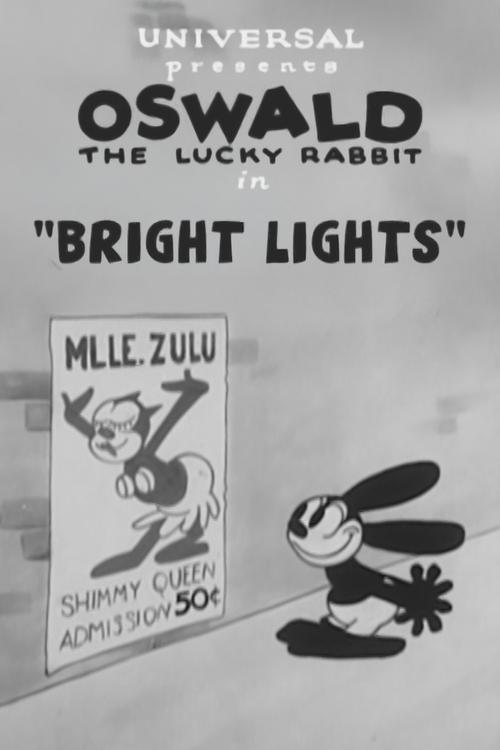
Bright Lights is a product of its time, using established character types and traditional narrative structures. The film prioritizes slapstick comedy and social hierarchy over complex or diverse character development. While it introduces non-Western character names, the representation remains rooted in the exoticism clichés of the late 1920s. The film reinforces existing social protocols rather than challenging them. Ultimately, it serves as a period-specific entertainment piece that adheres to the conventional frameworks of early animation.
Category Breakdown
The film does not depict any non-straight relationships or same-sex intimacy. The story centers around a male protagonist pursuing a female performer.
Gender roles follow typical 1920s conventions. Mlle. Zulu is presented as a spectacle to be observed rather than a character with independent influence.
The inclusion of Mlle. Zulu uses ethnic markers common to early 20th-century exoticism. Her portrayal emphasizes decorative performance rather than nuanced representation.
The narrative upholds 1920s social hierarchies and class-based conflicts. It focuses on enforcing social boundaries rather than challenging Western institutions.
There are no visible or invisible disabilities shown in the film. The physical comedy revolves around standard slapstick chase sequences.
Present on Screen
Limited or Absent
Official Synopsis
Oswald would like to see Mlle. Zulu the Shimmy Queen but he's short on cash. Seeing the more stately gentlemen being admitted without tickets, he tries to fool the bouncer into thinking he's important by puffing up his chest and striding in. It doesn't work, and he's forced to try a second plan, sneaking in under another patron's shadow. He gets caught and spends his time being chased by the bouncer throughout the theater.
1928
1928
1925

1924

1928

1928
1928

1928
No reviews yet. Be the first to share your thoughts on this movie!
Use the rating form above to leave a star rating and optional review.