Hinterland
1998
No user ratings available yet
Representation score: 7.1 out of 10
Representation Score
Fair
2008
RDirector
Daniel Kremer
Runtime
65 minutes
Average Rating
No ratings yetNew Showbiz Analysis
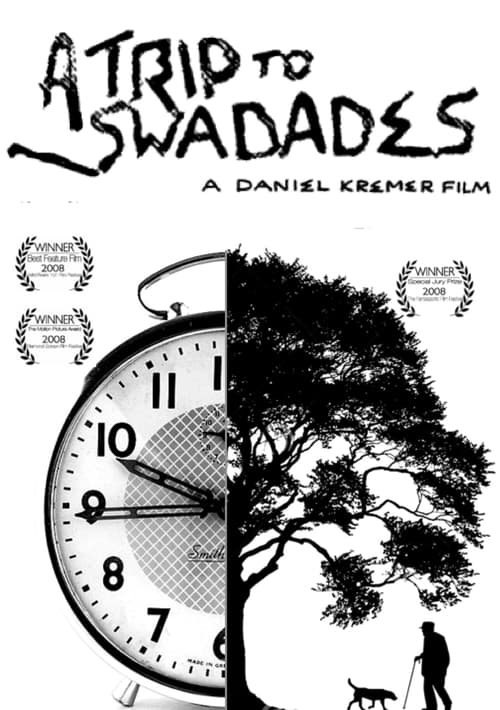
A Trip to Swadades is an intimate, character-driven drama that emphasizes psychological realism over broad demographic representation. The narrative centers on a masculine exploration of aging, memory, and fraternal reconciliation. While the film lacks markers of racial or gender diversity, it delves into the potential representation of neurodivergent traits. Ezra’s cognitive exceptionalism provides a specific lens into invisible disabilities. Overall, the film serves as a localized, personal study of alienation rather than a broad social critique.
Category Breakdown
The film doesn't include any explicit references to LGBTQ+ characters or non-cisgender identities. It focuses solely on the relationship between two brothers.
The story revolves around a male-dominated dynamic involving two brothers and an old friend. There is no evidence of strong female roles or challenging gender stereotypes.
Characters have names that suggest Western or European heritage set in Philadelphia. The narrative does not indicate a predominantly non-white cast or diverse racial backgrounds.
The film examines social isolation and individual non-conformity through a hermit character. However, it functions more as a psychological drama than a cultural critique.
Ezra’s unusual memory and unsanitary living conditions hint at a depiction of neurodivergence. This offers a chance to explore cognitive exceptionalism and mental health issues.
Present on Screen
Limited or Absent
Official Synopsis
Shot on black-and-white super-16mm, A Trip to Swadades tells the story of a 74-year-old ex-professor named Schweitzer Haas who, after many years of living away from Philadelphia, the city where he came of age, returns to visit his hermit brother Ezra who has perfected his freakish steel-trap memory. As a result, however, his apartment has become an unlivable and unsanitary place. He goes out to find some cleaning supplies, only to find himself lost in a city he no longer knows. By shear happenstance, he bumps into an old friend, a world-class cut-up, who takes him to a place of importance to their past. There, Schweitzer realizes he must reconcile with the brother he has not spoken to and has refused to understand for most of his life.
1998

2007

2007

2010
2020

2023

2018

2009
No reviews yet. Be the first to share your thoughts on this movie!
Use the rating form above to leave a star rating and optional review.