Farewell
2009
No user ratings available yet
Diversity score: 2.9 out of 10
1963
NRDirector
George Englund
Runtime
115 minutes
Average Rating
No ratings yetSynopsis
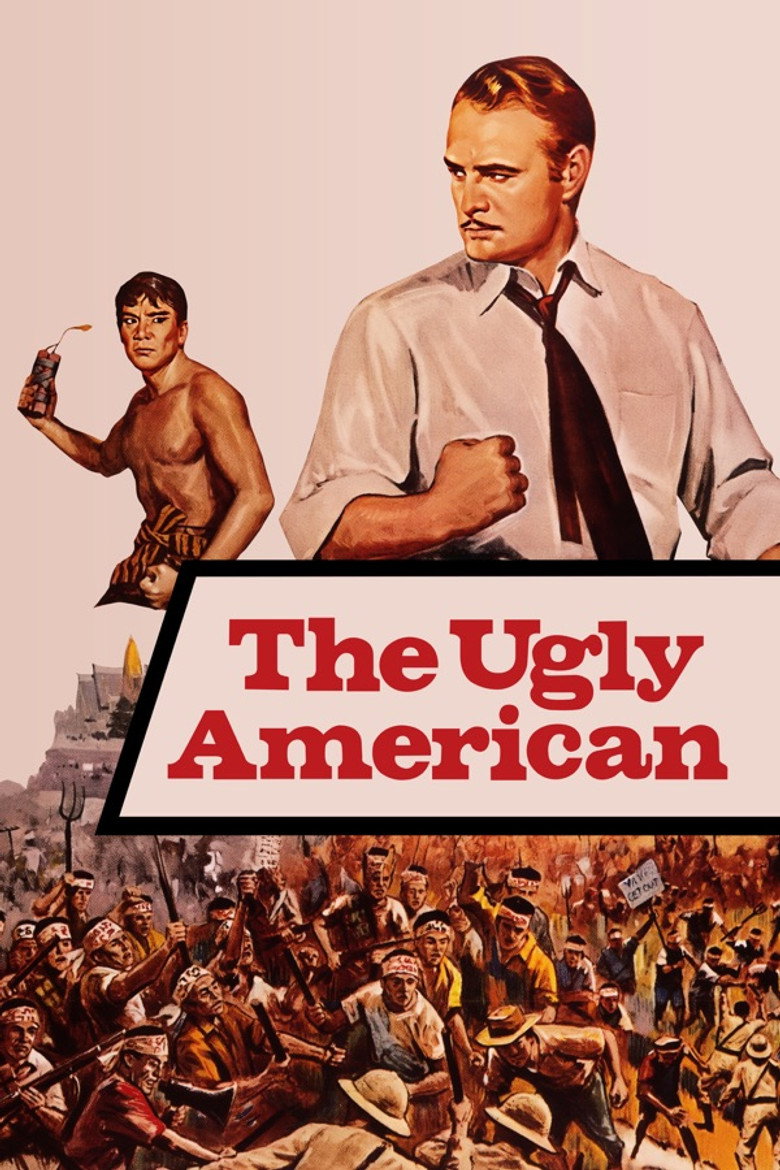
An intelligent, articulate scholar, Harrison MacWhite, survives a hostile Senate confirmation hearing at the hands of conservatives to become ambassador to Sarkan, a southeast Asian country where civil war threatens a tense peace. Despite his knowledge, once he's there, MacWhite sees only a dichotomy between the U.S. and Communism. He can't accept that anti-American sentiment might be a longing for self-determination and nationalism. So, he breaks from his friend Deong, a local opposition leader, ignores a foreman's advice about slowing the building of a road, and tries to muscle ahead. What price must the country and his friends pay for him to get some sense?
Overall Score
Fair
Category Breakdown
LGBTQ+ Representation
The film contains no discernible LGBTQ+ characters or non-heteronormative narratives. It depicts the social landscape through a strictly traditional lens.
Gender Representation
The narrative focuses on male-driven political and engineering pursuits. Women are relegated to supporting or domestic roles, reinforcing traditional gender hierarchies.
Racial & Ethnic Diversity
The cast is predominantly white, though Southeast Asian characters like Deong provide a counterpoint to the American perspective. Local agency is often filtered through the American protagonists.
Religious & Cultural Diversity
The film critiques Western exceptionalism by exploring the clash between technocratic idealism and local desires for self-determination. It avoids simple binaries in favor of moral complexity.
Disability Representation
There is no significant evidence of characters with visible or invisible disabilities being utilized as central plot devices.
Strengths
Areas for Improvement
AI Analysis
The film serves as a transitional text that complicates typical Cold War-era patriotic narratives. While it adheres to the demographic hierarchies of 1960s cinema, it deconstructs the 'savior' archetype by highlighting the dangers of blind interventionism. Its primary strength is thematic depth, specifically regarding the friction between Western hegemony and local sovereignty. However, this intellectual complexity is offset by a lack of diversity in gender and sexual orientation. Ultimately, the film's impact relies on its critique of institutional imposition rather than its representation of a diverse cast.
2009
1978
1972
1968
1977

1995

1952
No reviews yet. Be the first to share your thoughts on this movie!
Use the rating form above to leave a star rating and optional review.