Song 7
1964
No user ratings available yet
Representation score: 0.0 out of 10

Representation Score
Minimal
1964
Director
Stan Brakhage
Runtime
2 minutes
Average Rating
No ratings yetNew Showbiz Analysis
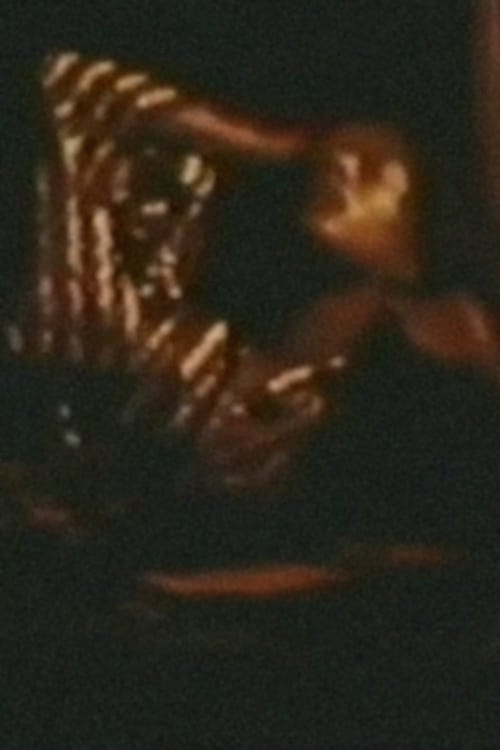
Song 6 is a seminal work of American avant-garde cinema that functions as a non-narrative, experimental exploration of visual perception. By eschewing traditional cinematic structures like plot and dialogue, the film focuses on a rhythmic investigation of light and texture. Because the work is purely abstract and non-representational, it does not engage with social hierarchies, identity politics, or human ability to act. It bypasses the semiotics of identity by removing the human element entirely. Ultimately, the film remains a study of pure abstraction through the physical medium of 8mm film.
Category Breakdown
The film is entirely non-narrative and lacks human characters. It contains no depictions of gender identity, sexual orientation, or interpersonal dynamics.
The work operates outside the framework of gendered social structures. It does not feature characters to engage in the subversion or reinforcement of gender hierarchies.
The focus remains on the phenomenology of sight and the manipulation of film grain. It contains no cast or cultural markers for assessing racial representation.
The film avoids traditional Western institutional frameworks like religion or capitalism. It exists as a purely formalist exercise in visual abstraction.
There are no characters portrayed within the film. It does not feature characters with disabilities or utilize disability as a narrative device.
Present on Screen
Limited or Absent
Official Synopsis
SONG 6: The painted veil via moth-death (the Songs are a cycle of silent color 8mm films by the American experimental filmmaker Stan Brakhage produced from 1964 to 1969).
1964
1965

1965
1965
1965

1965

1965
1964
No reviews yet. Be the first to share your thoughts on this movie!
Use the rating form above to leave a star rating and optional review.