Song 13
1965
No user ratings available yet
Representation score: 0.0 out of 10
Representation Score
Minimal
1965
Director
Stan Brakhage
Runtime
3 minutes
Average Rating
No ratings yetNew Showbiz Analysis
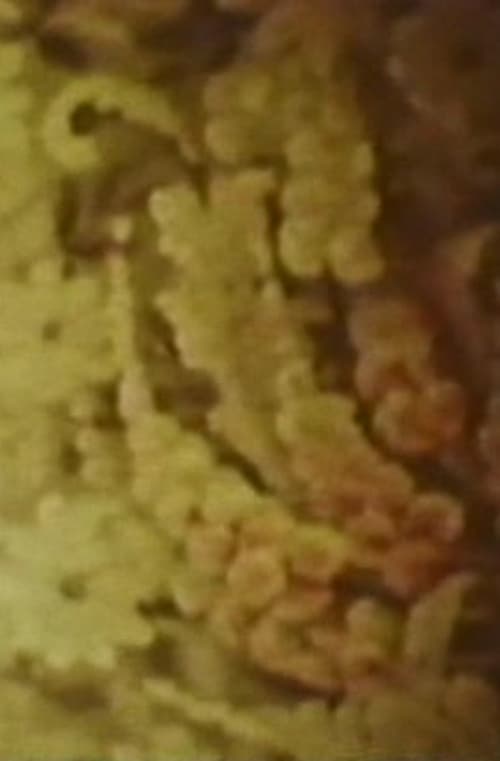
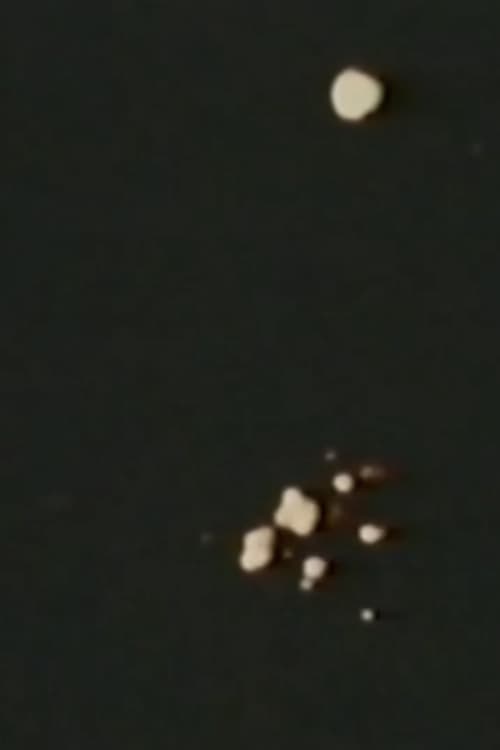
Stan Brakhage’s *Song 14* is a radical exercise in formalist abstraction. By prioritizing sensory perception and 'untutored vision' over narrative structure, the film intentionally removes the human element from the cinematic experience. Focusing on the formal properties of the film strip—such as molds, paints, and crystals—the film exists entirely outside the parameters of identity-based representation. There are no characters, dialogue, or human subjects to facilitate social or cultural commentary. Ultimately, the film's objective is the exploration of light and movement. It does not provide a platform for multi-layered narratives or the depiction of any specific demographic group.
Category Breakdown
Since the film is non-narrative and abstract, it does not depict any characters or human subjects, making it impossible to represent sexual orientation or gender identity.
The film focuses on visual elements such as molds, paints, and crystals, avoiding any human subjects and thus not engaging with traditional gender roles or hierarchies.
As a non-representational work, the film does not feature a cast, so it does not address racial, ethnic, or colonial dynamics through characterization.
The film explores aesthetic abstraction without referencing religious or political institutions. It does not engage with specific cultural systems.
With no human characters, the film does not depict physical or mental health conditions. The focus remains on the mechanics of light.
Present on Screen
Limited or Absent
Official Synopsis
SONG 14: Molds, paints and crystals (the Songs are a cycle of silent color 8mm films by the American experimental filmmaker Stan Brakhage produced from 1964 to 1969).
1965
1965
1965

1964
1964
1965
1965
1964
No reviews yet. Be the first to share your thoughts on this movie!
Use the rating form above to leave a star rating and optional review.