The Warriors of Qiugang
2010
No user ratings available yet
Representation score: 6.6 out of 10
Representation Score
Good
2011
TV-PGDirector
Maro Chermayeff, Micah Fink
Runtime
105 minutes
Average Rating
No ratings yetNew Showbiz Analysis
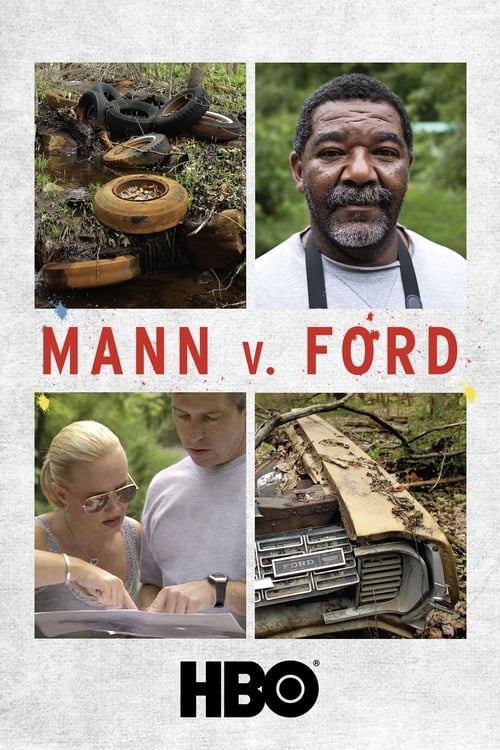
The film opens on the Ramapo Mountain Indian community standing on land poisoned by Ford Motor Company, a visual that immediately frames the conflict as one of indigenous rights against corporate negligence. This 2011 documentary by Maro Chermayeff and Micah Fink sells a clear moral argument: that environmental justice is inseparable from racial and political accountability. The camera lingers on Wayne Mann and Vicki Gilliam, presenting their legal and community leadership as the intellectual and ethical core of the narrative. In contrast, Governor John Corzine and the state apparatus are framed as hollow institutions, their arrogance and legal blunders serving as the primary obstacles to justice. The sold meaning is that traditional Western institutions—corporate, political, and legal—must be held accountable by marginalized communities who possess both the moral authority and the strategic competence to challenge them. The film’s internal logic supports this by showing the community’s persistence as the driving force, while the state’s response is depicted as reactive and flawed. However, the ending complicates this triumph: the legal victory is real, but the political fallout, including Corzine’s resignation, leaves a sense of institutional exhaustion rather than clean moral closure. The community’s suffering is not fully compensated, and the systemic issues that led to the lawsuit remain partially unaddressed. This tension between legal victory and social healing is the film’s central contradiction. It argues that accountability is possible but not sufficient, suggesting that true justice requires more than a court ruling. The last image, a somber reflection on the cost of litigation, reinforces this: the community wins the case, but the political landscape remains fractured. The film does not offer a simple happy ending but instead presents a nuanced critique of how legal systems can both empower and fail marginalized groups. In doing so, it validates the community’s struggle while acknowledging the limits of institutional reform.
Category Breakdown
No queer characters or identity discussions appear. The narrative focuses exclusively on environmental litigation and political accountability, leaving LGBTQ+ representation entirely absent from the footage.
Vicki Gilliam anchors legal strategy while Vivian Milligan leads community testimony, both framed as competent authorities. Governor Corzine serves as the inept antagonist, his political blunders contrasting with the women’s steady expertise.
Wayne Mann and the Ramapo Mountain Indian community drive the moral argument against white institutional power. The camera treats their indigenous heritage and legal persistence as the film’s ethical center, validating their claims over state denial.
The film frames corporate negligence and political arrogance as systemic failures. Traditional institutions like the state and Ford are depicted as hollow, with the community’s intergenerational land rights serving as the true moral standard.
Toxic exposure causes collective health issues, but no individual disability is centered. The harm remains an environmental statistic rather than a lived physical experience, serving the legal argument without exploring specific impairment.
Present on Screen
Limited or Absent
Official Synopsis
Thirty years after Ford Motor Company began dumping toxic waste in their backyard – and after one too many premature deaths – the Ramapo Mountain Indians filed a major class-action lawsuit: Mann v. Ford. This tiny tribe and their team of passionate lawyers took on the 'big dogs' – Ford and the Environmental Protection Agency.
2010
2010
2018

2020
2009
2006
2018

2009
No reviews yet. Be the first to share your thoughts on this movie!
Use the rating form above to leave a star rating and optional review.