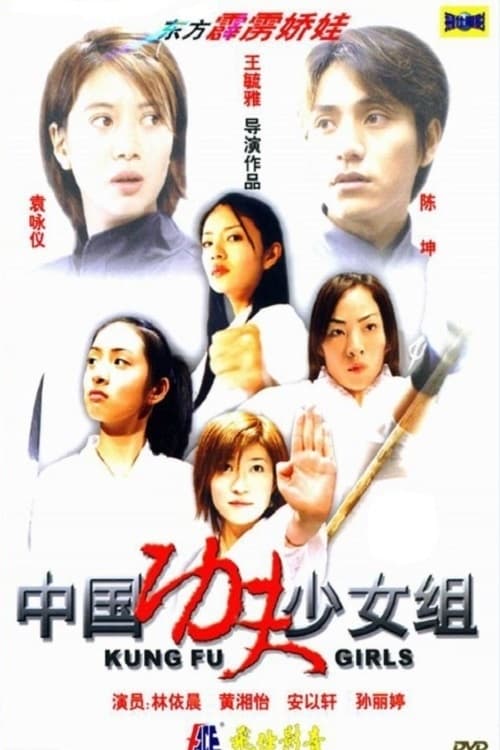
Kung Fu Girls
2003
No user ratings available yet
Representation score: 5.7 out of 10

Representation Score
Limited
2011
Director
Tony Tang
Runtime
99 minutes
Average Rating
No ratings yetNew Showbiz Analysis
Beach Spike operates as a localized genre piece that emphasizes physical comedy and martial arts clichés over deep social critique. While it centers women's ability to drive the story through athletic protagonists, the narrative adheres to established regional cinematic conventions. The film explores class dynamics by pitting local youth against a wealthy class, providing a foundation for class-based storytelling, even if the resolution favors individual empowerment over structural change. Ultimately, the work lacks the complexity needed for a higher progressive rating, functioning primarily as an underdog sports comedy.
Category Breakdown
The film focuses on straight relationships and traditional friendships without exploring LGBTQ+ identities or non-straight romantic arcs.
Sharon and Rachel drive the plot through their athleticism and martial skills, challenging traditional gender roles but not overturning patriarchal structures.
The cast is mainly from Hong Kong, with Eurasian characters adding layers of mixed heritage identity within a social hierarchy, though race isn't a core theme.
The story criticizes capitalist growth and the emphasis on elite leisure over community spaces, following a traditional triumph of the spirit arc.
The film does not include or portray characters with physical or neurodivergent disabilities.
Present on Screen
Limited or Absent
Official Synopsis
In Hong Kong's Paradise Cove Sharon (Chrissie Chau) and Rachel (Theresa Fu) work at a restaurant of their kung fu master uncle Tao (Lo Mang) while taking on rivals in beach volleyball matches. The wealthy Bu family has plans to have the beach made into a playground for the rich and getting rid of the youth at the beach. Mrs. Bu's two Eurasian daughters, Natalie (Jessica C) and Phoenix (Phoenix Valen) challenge Sharon and Rachel to a volleyball match which Natalie and Phoenix win. Phoenix and Natalie give Rachel and Sharon a challenge: if the two local girls enter and win the upcoming All Hong Kong Women’s Volleyball tournament, Mrs. Bu will revise her plans to further develop the area. Sharon and Rachel feel they don't have a chance to win the tournament. Their uncle then Tao teaches the girls kung fu skills that they apply to volleyball.
2003

2020
2005

2013

2014
2001
2026

2003
No reviews yet. Be the first to share your thoughts on this movie!
Use the rating form above to leave a star rating and optional review.