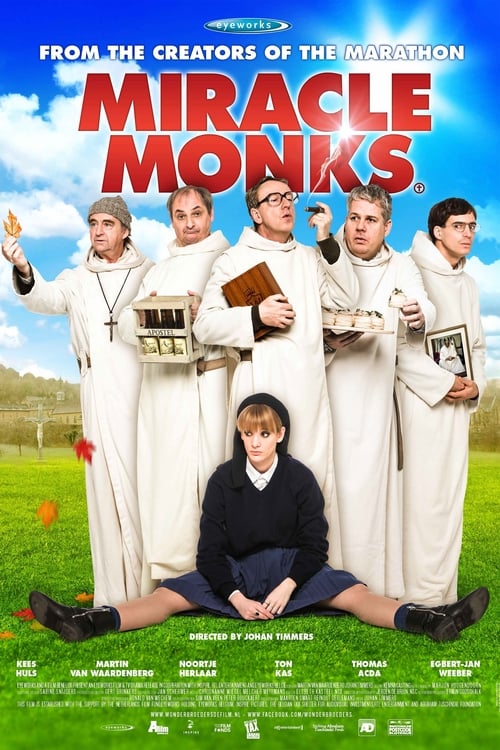
Miracle Monks
2014
No user ratings available yet
Representation score: 4.4 out of 10
Representation Score
Fair
2004
Director
Yook Sang-hyo
Runtime
99 minutes
Average Rating
No ratings yetNew Showbiz Analysis
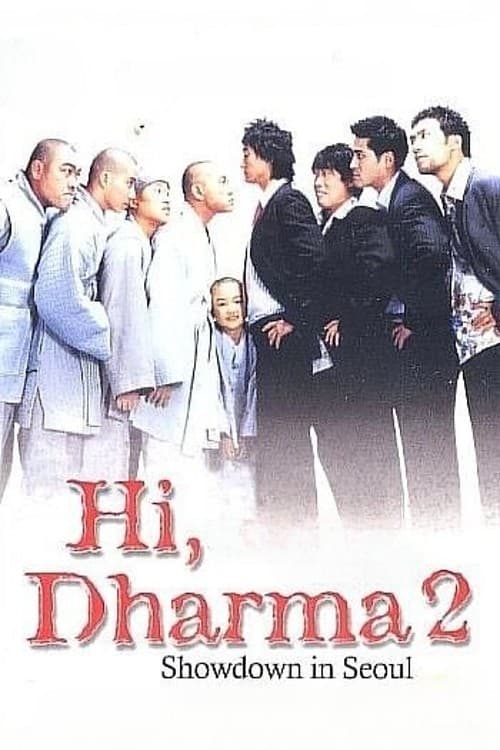
Hi, Dharma 2: Showdown In Seoul is a culturally specific comedy that finds its strength in its thematic critique of systemic forces. By centering a non-Western spiritual tradition against the pressures of urban redevelopment, the film challenges the dominance of modern industrial narratives. However, the film's diversity is limited by its narrow demographic focus. The narrative architecture relies heavily on male-dominated groups, including both the monks and the antagonistic gangsters, which limits gendered ability to act and multi-layered depth. Ultimately, while the film succeeds as a study of cultural identity and institutional critique, it lacks representation across LGBTQ+ and gender spectrums, resulting in a moderate overall score.
Category Breakdown
The film does not include any explicit LGBTQ+ characters or explore non-straight relationships. The story focuses on the monks' struggles and the threat posed by urban redevelopment.
The story centers around a male-dominated monastic community and a group of male gangsters. There are no female characters with significant roles or subversions of gender hierarchies.
The cast is ethnically homogeneous, reflecting a specific South Korean context. The film explores cultural identity through the lens of traditional spiritualism facing rapid modernization.
The film strongly critiques aggressive capitalism and urban expansion. It emphasizes communal, non-capitalist values by highlighting the temple's struggle against modern industrial encroachment.
There is no evidence that disability, neurodivergence, or chronic illness plays a role in the character arcs or plot progression.
Present on Screen
Limited or Absent
Official Synopsis
Following the last wish of an old master, three monks head to Seoul to rest his remains in the Mushim Temple. However, they discover that the heavily indebted host monk has abandoned the temple and its inhabitants. The three monks make every effort to help the temple by promoting it to the public and raising funds through donations. But just when things begin to look much brighter, a team of four gangsters reach the temple indicating their need to reclaim it for an urban redevelopment project.
2014
2004
2001
1989
2017
2020
2016
2007
No reviews yet. Be the first to share your thoughts on this movie!
Use the rating form above to leave a star rating and optional review.