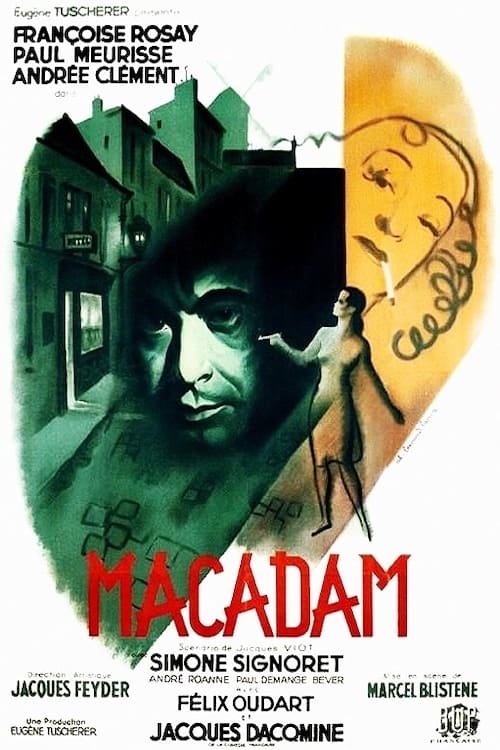
Back Streets of Paris
1946
No user ratings available yet
Representation score: 4.0 out of 10
Representation Score
Good
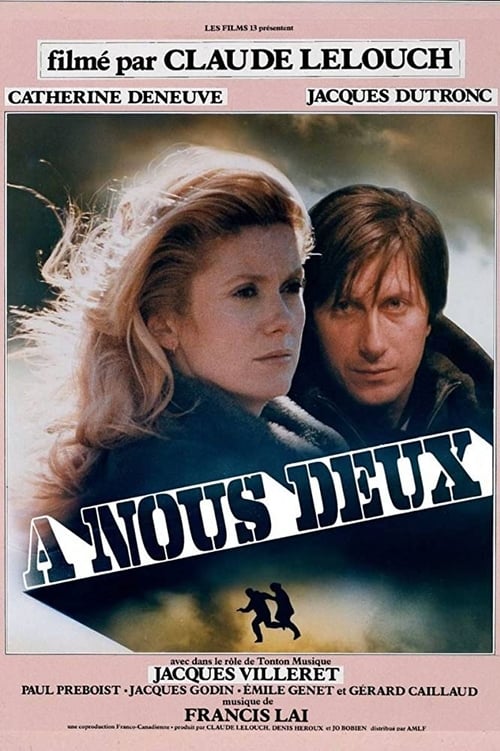
1979
Director
Claude Lelouch
Runtime
112 minutes
Average Rating
No ratings yetNew Showbiz Analysis
Claude Lelouch’s film is a character study that prioritizes individual ability to act over social conformity. It successfully deconstructs traditional gender roles and moral frameworks, presenting a protagonist who navigates systemic pressures through strategic rebellion. However, the film lacks demographic breadth. The cast appears homogeneous, and the narrative does not explicitly engage with LGBTQ+ identities or diverse racial perspectives. While the thematic content is progressive, the visual representation remains limited by the era's norms. Ultimately, the film's strength lies in its subversion of authority and its elevation of a complex female lead, even if it lacks broad multi-layered inclusion.
Category Breakdown
The story centers on a heterosexual relationship between Françoise and Simon. It avoids traditional domesticity through its criminal themes but lacks explicit representation of non-straight or non-cisgender identities.
Françoise subverts the femme fatale stereotype by acting as a calculating, economically independent protagonist. She drives the plot through her intellect and tactical maneuvers, rather than submission.
The film features a homogeneous cast typical of 1970s French cinema. There is no evidence of diverse racial casting or non-white protagonists.
The narrative critiques established power structures by framing outlaw behavior as a means of survival. It prioritizes subjective morality over traditional Western institutional values.
The protagonist's history of sexual assault informs her psychological journey. However, the film focuses on her subsequent actions rather than a detailed portrayal of trauma.
Present on Screen
Limited or Absent
Official Synopsis
Françoise has gone into business seducing men whose wives want to divorce them, and who need incriminating evidence against them. In addition, she has a little blackmail operation going on on the side with politicians who can't afford a scandal. She got started on this business after she was raped, and hasn't looked back since. Now the police are on her trail, and she avails herself of the services of a couple who make a profession of hiding wanted criminals. At the hideout, she meets Simon, a second-generation mobster. As the police close in, Françoise and Simon go on the run together, pulling off occasional heists for operating money. Before long, they have also fallen in love.
1946
1985
1969
1937
1970

1989
1987
1970
No reviews yet. Be the first to share your thoughts on this movie!
Use the rating form above to leave a star rating and optional review.