
Christmas with Tucker
2013
No user ratings available yet
Representation score: 1.5 out of 10
Representation Score
Fair
1993
PGDirector
Glenn Jordan
Runtime
100 minutes
Average Rating
No ratings yetNew Showbiz Analysis
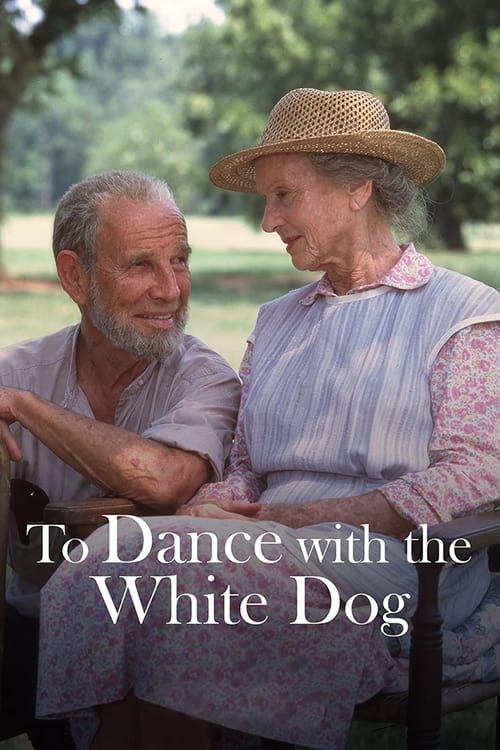
To Dance with the White Dog is a conventional character study that prioritizes emotional resonance over social disruption. The narrative follows established dramatic structures, focusing on individual healing rather than interrogating systemic power dynamics. While the film provides a meaningful portrayal of female emotional autonomy, it lacks multi-layered complexity. The story operates within a traditional framework that avoids challenging social hierarchies or identity politics. Ultimately, the work functions as a localized drama. It relies on standard emotional progressions rather than utilizing moral relativism or diverse cultural perspectives.
Category Breakdown
The film focuses on a typical heterosexual experience of widowhood and grief. It does not include any representation of non-binary gender identities or same-sex relationships.
The narrative offers a nuanced look at female emotional autonomy during loss. However, it does not actively challenge traditional gender roles or hierarchies.
The story depicts a homogeneous social environment with no diverse cast or intentional efforts to challenge traditional casting norms.
The film follows conventional Western storytelling regarding life and death. It does not challenge traditional institutions or the stability of the family unit.
The plot explores the psychological trauma of grief rather than physical disabilities. It lacks central, agentic portrayals of neurodivergence or visible impairments.
Present on Screen
Limited or Absent
Official Synopsis
When Sam Peek's beloved wife, Cora, dies, a white dog suddenly materializes as his new companion and confidant.
2013

1987

1987

2025

2001

2019

2007

2011
No reviews yet. Be the first to share your thoughts on this movie!
Use the rating form above to leave a star rating and optional review.