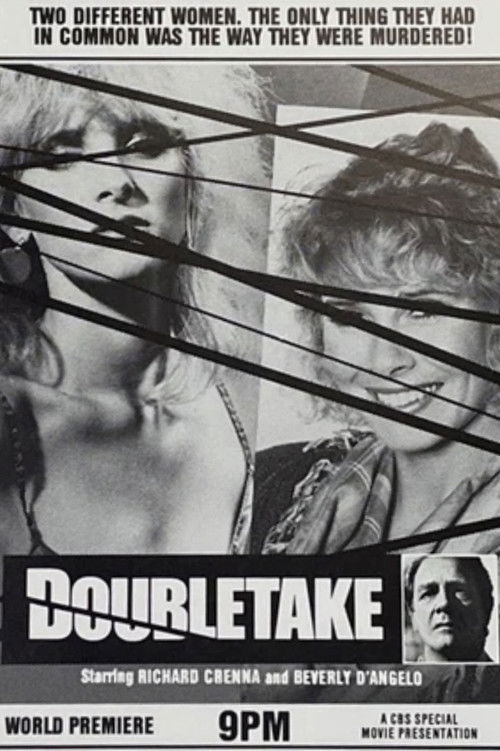
Doubletake
1985
No user ratings available yet
Representation score: 3.8 out of 10

Representation Score
Minimal
1988
PG-13Director
Michael Switzer
Runtime
100 minutes
Average Rating
No ratings yetNew Showbiz Analysis
Police Story: Burnout centers around a female veteran vice cop dealing with the aftermath of her partner's suicide. The film's central character potentially breaks away from the hyper-masculine stereotypes common in 1980s police procedurals. However, the film lacks the necessary depth and additional character details to establish a broader pattern of representation. Other dimensions of identity, such as race and disability, remain unaddressed, limiting the overall diversity of the narrative.
Category Breakdown
The film does not include any characters with LGBTQ+ identities or narratives.
The central protagonist is a woman in a actively leading, traditionally male-dominated role, suggesting a disruption of standard gender hierarchies.
No details are provided about the racial or ethnic composition of the cast, and no non-white characters are identified.
The film does not provide any information about the cultural or religious backgrounds of the characters.
The narrative does not mention any characters with physical or mental disabilities.
Present on Screen
Limited or Absent
Official Synopsis
A veteran vice cop has a hard time dealing with her partner's suicide.
1985
1988
2006
1987
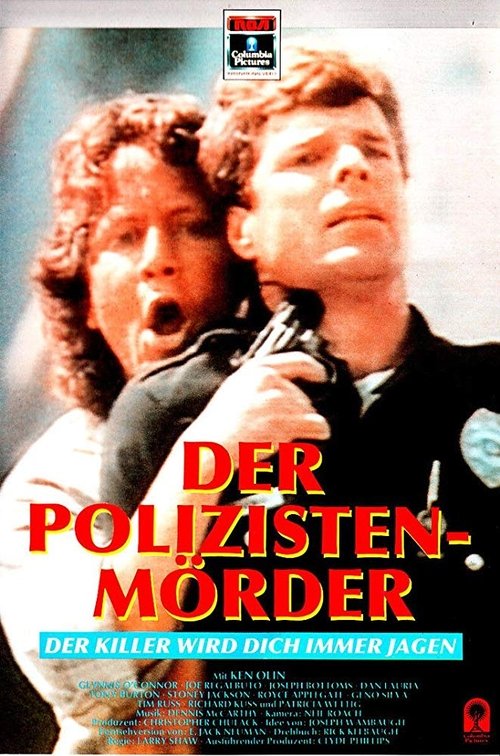
1988
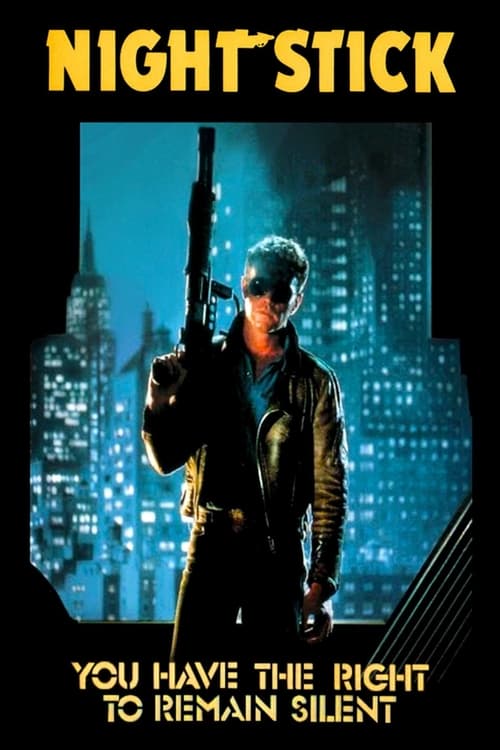
1987
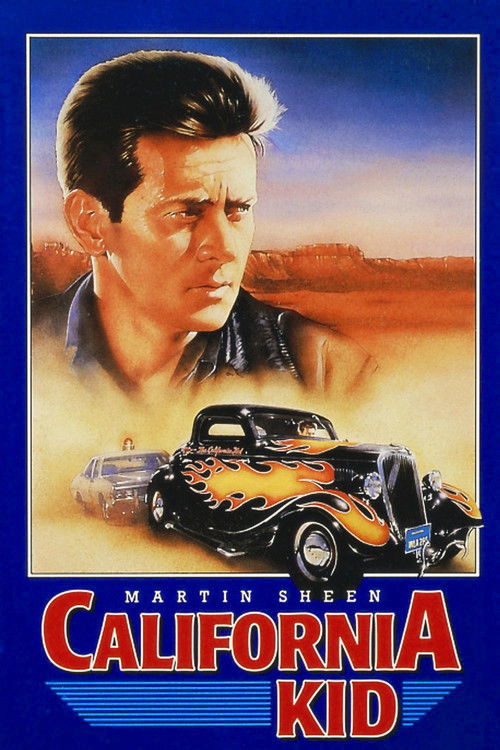
1974
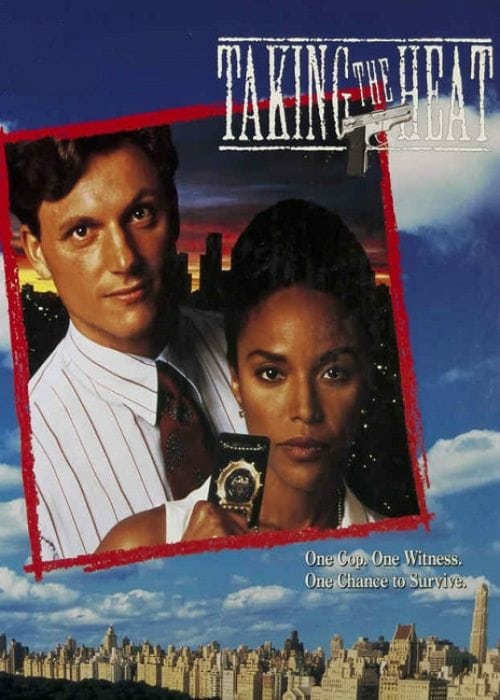
1993
No reviews yet. Be the first to share your thoughts on this movie!
Use the rating form above to leave a star rating and optional review.