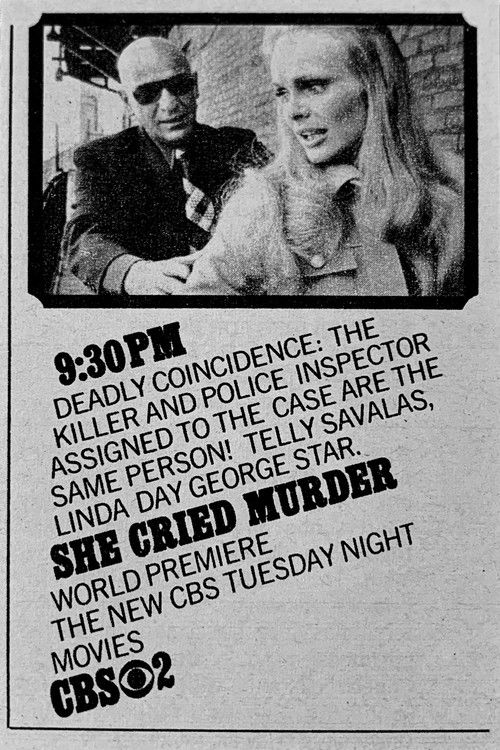
She Cried Murder
1973
No user ratings available yet
Representation score: 2.0 out of 10
Representation Score
Limited
1993
RDirector
Tom Mankiewicz
Runtime
91 minutes
Average Rating
No ratings yetNew Showbiz Analysis
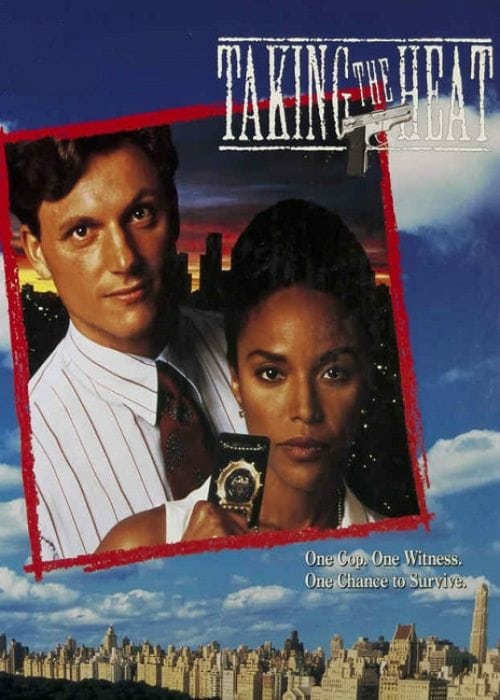
Taking the Heat serves as a transitional piece of 1990s media. It avoids radical social deconstruction but achieves meaningful representation through its specific character dynamics and casting choices. The film's strength lies in its subversion of genre clichés, particularly regarding gender and race. By centering a female officer in a tactical leadership role and utilizing an interracial lead pairing, it challenges the rigid demographic norms of its era. However, the film remains limited by its adherence to standard thriller frameworks. It lacks engagement with LGBTQ+ identities, disability representation, or deep systemic critiques of social institutions.
Category Breakdown
The film follows a traditional romantic thriller format. There are no characters or narratives that address LGBTQ+ identities or non-cisgender identities.
A female police officer holds a position of authority and protection. This role allows her to play a significant role in driving the story and challenges the damsel in distress archetype.
The central partnership features a Black female officer and a white male witness. This interracial professional collaboration contrasts with the homogeneous casting common in early 90s thrillers.
The story focuses on the tension between survival and the judicial system. It lacks specific markers of systemic critique or radical social deconstruction.
There is no documented evidence of characters with visible or invisible disabilities. Disability is not used as a narrative device.
Present on Screen
Limited or Absent
Official Synopsis
When Michael Norell witnesses a murder, he doesn't want to testify but he is forced to by the police. A cop is ordered to bring him to the court, but before they get there they have to deal with several attacks from killers.
1973

1987
1999
1992

1995
1994

1987

1990
No reviews yet. Be the first to share your thoughts on this movie!
Use the rating form above to leave a star rating and optional review.