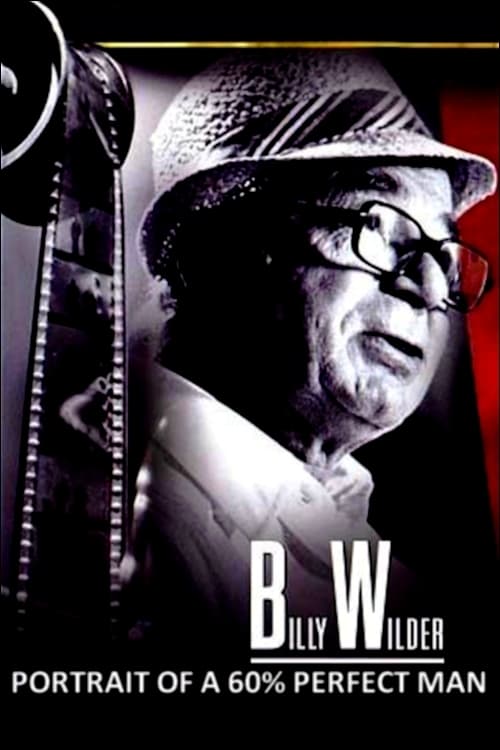
Portrait of a '60% Perfect Man': Billy Wilder
1982
No user ratings available yet
Representation score: 4.2 out of 10
Representation Score
Excellent
2016
TV-14Director
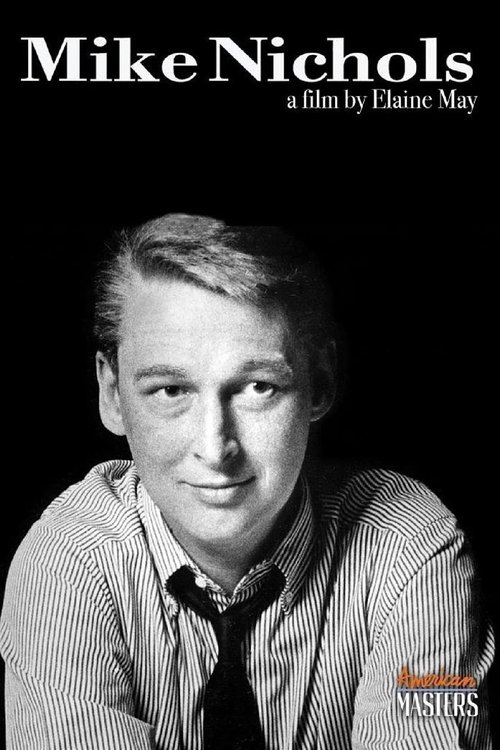
Elaine May
Runtime
56 minutes
Average Rating
No ratings yetNew Showbiz Analysis
Elaine May’s documentary serves as a sophisticated retrospective of Mike Nichols' career, focusing on his impact on American social dynamics. The film excels when examining how Nichols used his platform to disrupt traditional Hollywood archetypes through inclusive casting and complex character studies. However, the biographical nature of the film limits its direct engagement with specific identity groups. While it celebrates a director who championed diversity, the documentary itself does not center on the lived experiences of underrepresented identities, such as disability or explicit LGBTQ+ narratives. Ultimately, the film is a study of a filmmaker's influence on social progress rather than a direct exploration of diverse identities. It succeeds as a cultural history but remains thin on specific representation within its own structure.
Category Breakdown
The film does not show explicit representations of LGBTQ+ relationships or non-binary identities. Instead, it focuses on how Nichols' work historically challenged traditional assumptions about straight relationships.
The documentary highlights Nichols' ability to elevate stories driven by women. Interviews with women like Meryl Streep emphasize the professional roles and intellectual contributions of female collaborators.
The film examines Nichols' history of inclusive casting and his role in pioneering narratives about racial integration. It frames him as a director who disrupted the homogeneous landscape of Hollywood.
The documentary explores the deconstruction of social hierarchies and human behavior. It avoids traditional moralities, focusing instead on the complexities of interpersonal morality and cultural negotiation.
There is minimal focus on disability. While the film touches on the psychological complexities of characters in Nichols' work, it lacks dedicated analysis of neurodivergence or physical disabilities.
Present on Screen
Limited or Absent
Official Synopsis
With charm and wit, Nichols discusses his life and 50-year career as a performer and director.
1982
2011
2002
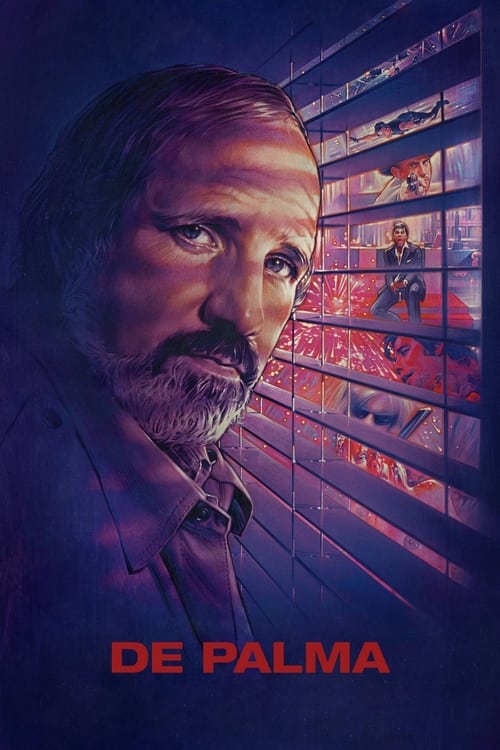
2016
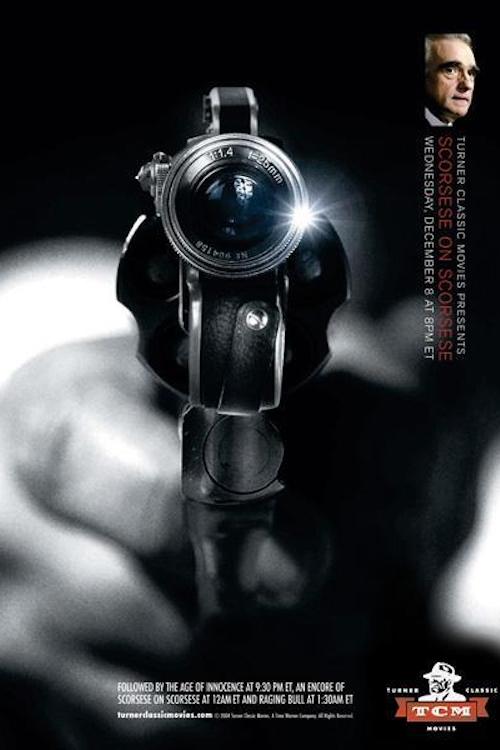
2004
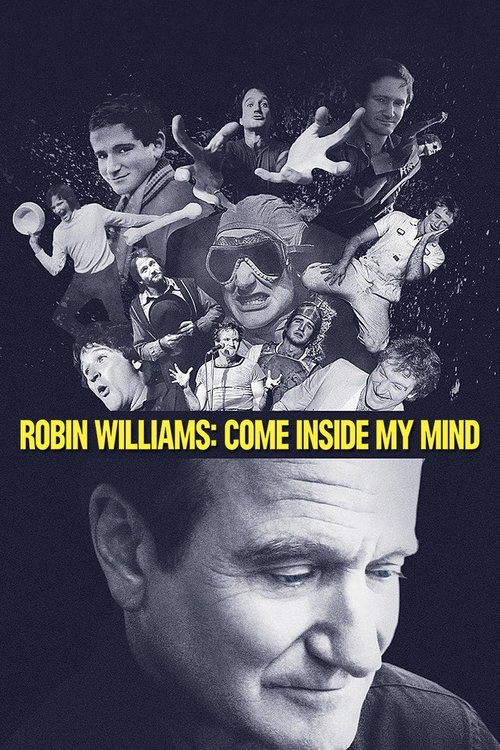
2018
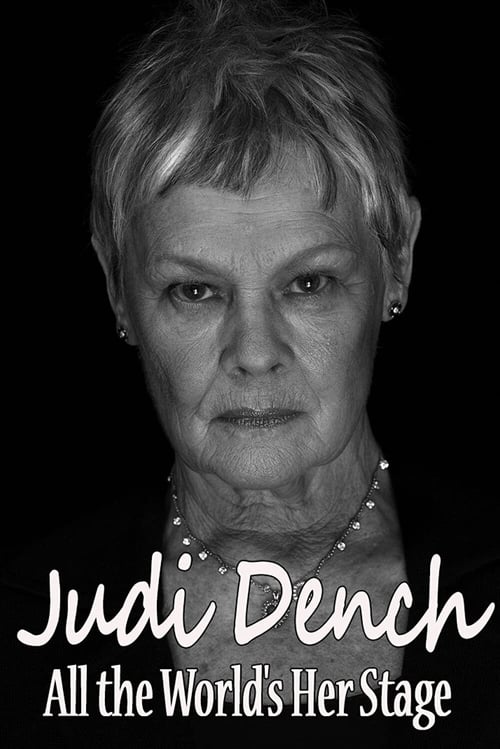
2016
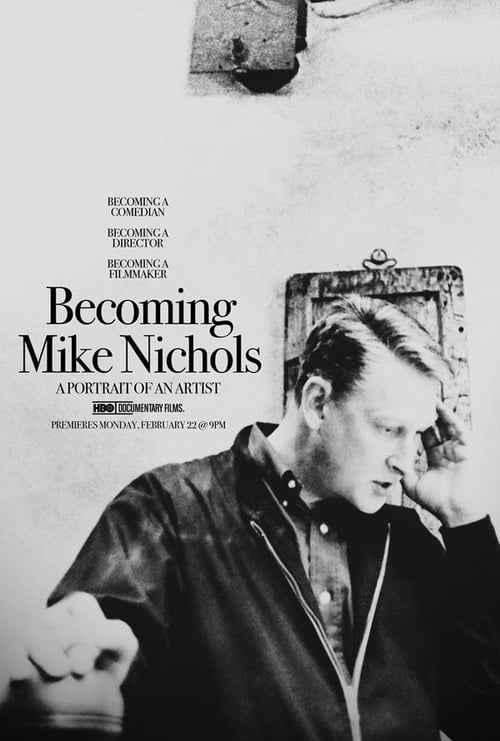
2016
No reviews yet. Be the first to share your thoughts on this movie!
Use the rating form above to leave a star rating and optional review.