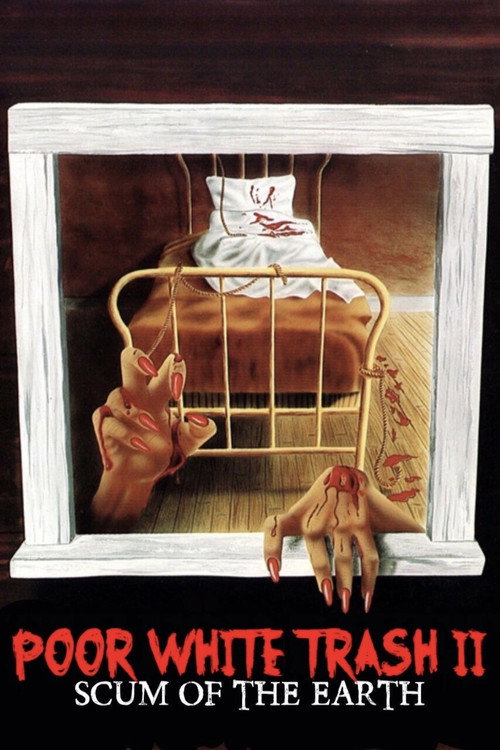
Scum of the Earth
1974
No user ratings available yet
Representation score: 3.3 out of 10

Representation Score
Fair
1980
Director
Ody Fraga
Runtime
85 minutes
Average Rating
No ratings yetNew Showbiz Analysis
A Fêmea do Mar is a Brazilian thriller that prioritizes psychological turmoil over identity-based representation. It succeeds in dismantling the traditional family unit, using a predatory outsider to disrupt domestic stability. While the film offers a non-Western perspective, it lacks specific depth regarding racial or LGBTQ+ identities. The narrative’s strength lies in its subversion of the home as a sanctuary, instead presenting it as a site of vulnerability. Ultimately, the film functions as a dark critique of social institutions rather than a study of modern diversity.
Category Breakdown
The film does not explicitly depict LGBTQ+ identities. It focuses on straight relationships while exploring themes of breaking rules and predatory behavior.
Jeruza is shown as a key figure in driving the story and being aware of moral issues. However, the film also highlights how women can be vulnerable to men’s harmful actions, which complicates the portrayal of empowerment.
The film is set in a Brazilian seaside community and operates outside Anglo-Saxon norms. Specific racial details are not confirmed, but the cultural context suggests a non-Western setting.
The story challenges the idea of the nuclear family as sacred through themes of incest and family breakdown. It replaces traditional social stability with psychological chaos.
There is no information about characters with visible or invisible disabilities in the narrative.
Present on Screen
Limited or Absent
Official Synopsis
The lonely Jeruza lives in a simple isolated house by the seaside with the siblings Cassandra and Ulisses and the family survives by selling handicrafts for a local store. Her husband, Santiago, is a sailor who has been missing for many years. When the stranger Roque arrives at Jeruza's house late afternoon, he tells her that Santiago was murdered in a bar fight. Jeruza lodges Roque to spend the night and they have a one night stand. He then seduces Cassandra, who loses her virginity with him and he convinces Ulisses to have an incestuous relationship with his sister. Jeruza realizes that Roque, who has a dreadful secret, is a destructive being that is threatening her family. Written by Claudio Carvalho, Rio de Janeiro, Brazil
1974
1976

2010

1988

2021
1983

1989

1985
No reviews yet. Be the first to share your thoughts on this movie!
Use the rating form above to leave a star rating and optional review.