Dog
2015
No user ratings available yet
Representation score: 6.4 out of 10
Representation Score
Limited
2010
Director
Cihan Inan
Runtime
96 minutes
Average Rating
No ratings yetNew Showbiz Analysis
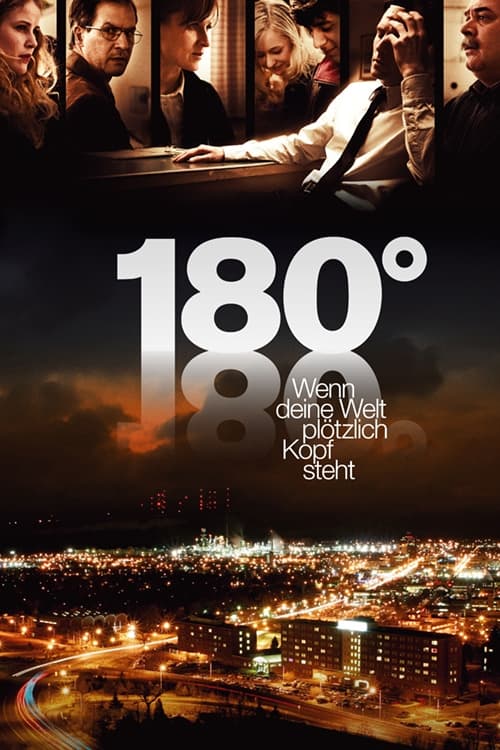
180° employs a multi-protagonist structure to explore how a sudden act of violence affects various social strata. The film delves into the volatility of the human condition and the sudden collapse of normalcy across different settings. While the ensemble format allows for a broad spectrum of human experiences, the characters often adhere to conventional archetypes. The narrative emphasizes the disruption of lives rather than a targeted critique of systemic power dynamics or identity politics. Ultimately, the film serves as a structuralist drama. It examines the intersection of disparate lives through a singular crisis rather than deliberately subverting traditional social hierarchies.
Category Breakdown
The film does not explicitly depict non-binary or LGBTQ+ identities or same-sex relationships. While there are romantic dynamics between teenagers and a trendy couple, there is no clear indication of LGBTQ+ themes.
Female characters are portrayed in traditional roles like housewife and nurse, which align with conventional domestic and caregiving roles rather than challenging established gender norms.
Set in a large city, the film suggests a diverse urban environment. However, there is no clear evidence of actively leading characters of color or specific characters who reflect more than one aspect of diversity.
The narrative focuses on the fragility of social structures and the impact of a sudden crisis. It does not provide enough detail to determine if it critiques specific religious or cultural institutions.
The provided material contains no mention of characters with visible or invisible disabilities.
Present on Screen
Limited or Absent
Official Synopsis
Early evening - a big city. Two teenagers shyly flirt with each other, a housewife sits down to watch her daily soap, nurses in a hospital gossip before the nightshift starts, a trendy couple drives through rush hour, so excited they can hardly wait to get home - a man with a rifle enters a building seeking revenge. In the blink of an eye seemingly unrelated events turn upside down what were once secure, happy, 'normal' lives. Behind fear, beyond the unexpected, there is love and hope.
2015
1995
2017
2016
2010

2010
2010
2011
No reviews yet. Be the first to share your thoughts on this movie!
Use the rating form above to leave a star rating and optional review.