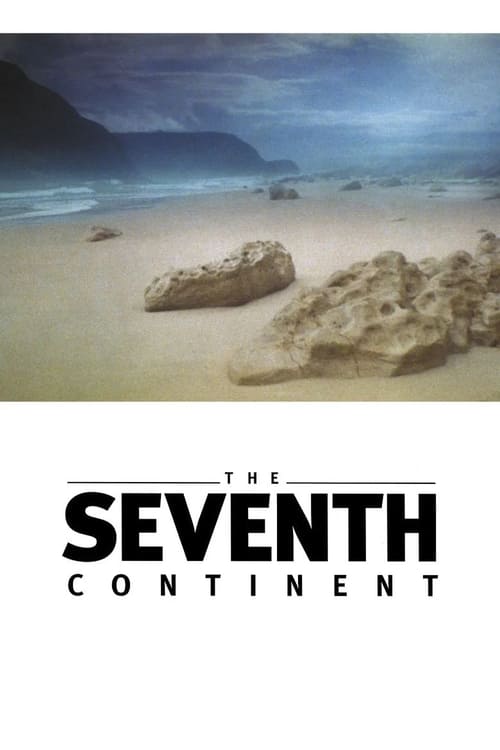
The Seventh Continent
1989
No user ratings available yet
Representation score: 3.3 out of 10
Representation Score
Fair
1995
NRDirector
Michael Haneke
Runtime
100 minutes
Average Rating
No ratings yetNew Showbiz Analysis
Haneke’s work emphasizes formal complexity and philosophical questioning over demographic diversity. The film excels in clinically dissecting Western moral certainties and social cohesion. However, the narrative lacks substantial representation across various identity categories. It centers on a homogeneous urban population, offering limited engagement with LGBTQ+ or racial diversity. Ultimately, the film is a study of existential emptiness. It succeeds as a postmodern critique but falls short in providing a diverse and inclusive character landscape.
Category Breakdown
The film does not focus on non-traditional gender identities or same-sex relationships. Instead, it explores existential loneliness without delving into LGBTQ issues or questioning the assumption that everyone is straight.
The story avoids traditional gender roles by not centering any single character as a moral leader. It challenges stereotypes of male dominance and female passivity through psychological breakdowns.
The cast reflects a predominantly middle-class, white Viennese urban population. There are no significant non-white characters driving the narrative.
The film embraces postmodern ideas and moral ambiguity. It questions the stability of Western social structures by rejecting a unified truth.
Mental instability is used as a theme to show randomness rather than giving depth to characters with mental health issues. Psychological conditions highlight a fragmented reality without providing meaningful representation.
Present on Screen
Limited or Absent
Official Synopsis
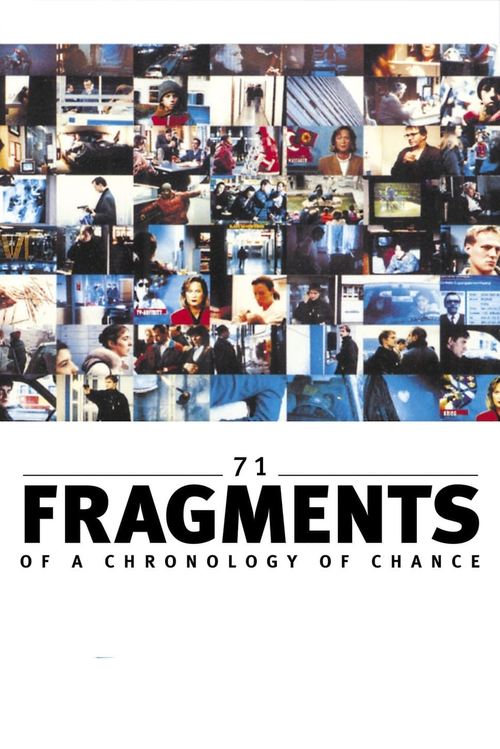
71 scenes revolving around multiple Viennese residents who are by chance involved with a senseless gun slaughter on Christmas Eve.
1989
1987

2000

2004

2015

2011
2004

2003
No reviews yet. Be the first to share your thoughts on this movie!
Use the rating form above to leave a star rating and optional review.