
The Bride Wore Black
1968
No user ratings available yet
Representation score: 4.2 out of 10
Representation Score
Fair
1972
Director
Eriprando Visconti
Runtime
99 minutes
Average Rating
No ratings yetNew Showbiz Analysis
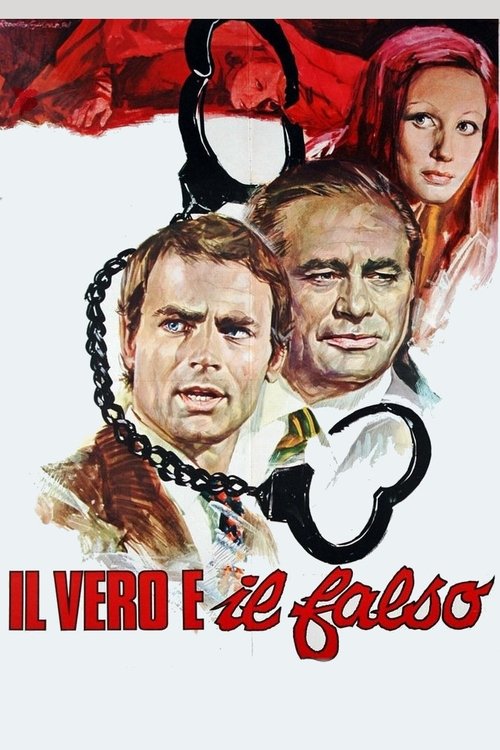
Eriprando Visconti’s *Il vero e il falso* functions as a character study that disrupts traditional domestic hierarchies. The film’s strength lies in its handling of gender and institutional authority, presenting a protagonist who rejects the role of the wronged wife. However, the work remains limited by its period-specific demographic constraints. It lacks explicit markers of diversity, particularly regarding LGBTQ+ identities and racial diversity, keeping the overall score in a moderate range. Ultimately, the film succeeds in undermining the sanctity of marriage and the legal system. It favors a framework of moral relativism and individual ability to act over the stability of traditional Western social structures.
Category Breakdown
The film focuses on infidelity and female rivalry without depicting queer intimacy. It explores unstable romantic structures but does not explicitly represent LGBTQ+ identities.
Luisa Latin transitions from a victim of betrayal to an agent of violent retribution. This shift challenges traditional female passivity by highlighting her autonomous, destructive role.
The film reflects the Mediterranean social landscape of 1970s Italy. It lacks significant non-white ensembles or actors from diverse backgrounds, sticking to the era's demographics.
The narrative critiques traditional institutions by framing marriage and the law as fallible. It prioritizes individualistic, situational ethics over established social or legal orders.
There is no evidence regarding the portrayal of physical or neurodivergent disabilities within the available narrative.
Present on Screen
Limited or Absent
Official Synopsis
Luisa Latin, betrayed by her husband, is imprisoned for the murder of her husband's mistress - who is still alive. When Luisa is released from prison, she kills her.
1968
1971
1977
1975
1977
1976

1986
1975
No reviews yet. Be the first to share your thoughts on this movie!
Use the rating form above to leave a star rating and optional review.