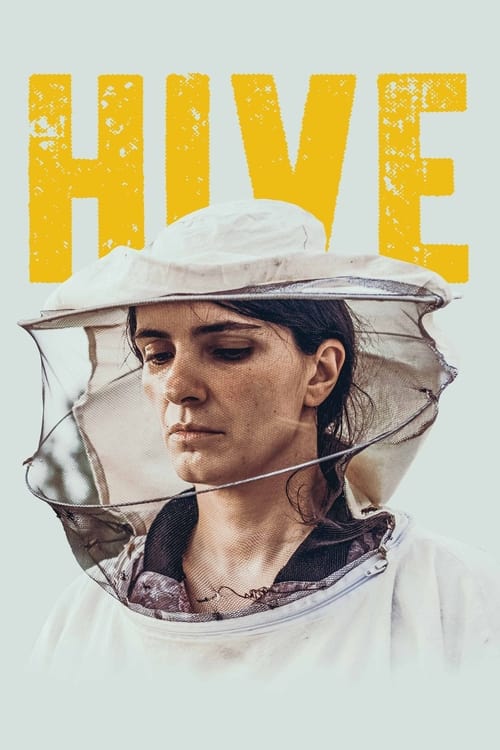
Hive
2021
No user ratings available yet
Representation score: 4.5 out of 10

Representation Score
Good
2022
Director
Tahmina Rafaella
Runtime
90 minutes
Average Rating
No ratings yetNew Showbiz Analysis
Banu is a character-driven drama that centers on a woman's fight for control within a restrictive social framework. The film excels at highlighting gendered power struggles, particularly how patriarchal systems use psychiatric labels to undermine female autonomy. While the film offers a strong critique of how societal preoccupation with war can marginalize domestic issues, it lacks specific evidence regarding LGBTQ+ representation or diverse ethnic casting. The focus remains heavily on the central legal and familial conflict. Ultimately, the film provides a sophisticated look at systemic corruption and individual resilience, even as it uses mental health themes primarily as a mechanism for conflict rather than a deep exploration of disability.
Category Breakdown
The film focuses on a heterosexual legal and familial dispute. There are no LGBTQ+ characters or non-straight identities in the narrative.
Banu serves as a central figure fighting against patriarchal control. The story challenges submissive stereotypes by showing her struggle for legal and intellectual independence against her husband.
Set in Baku, Azerbaijan, the film provides a non-Western cultural context. It explores identity through the lens of regional geopolitical conflicts and the Nagorno-Karabakh conflict.
The narrative critiques how nationalistic fervor and war can sideline individual rights. It examines how traditional societal and legal structures act as obstacles to personal justice.
Mental health is weaponized as a plot device to strip Banu of parental rights. The film explores how psychiatric labels are used as tools for systemic oppression.
Present on Screen
Limited or Absent
Official Synopsis
While the Second Nagorno-Karabakh war rages on far away from Baku, Azerbaijan, Banu has four days to find someone to support her in court against her influential soon to be ex-husband, Javid. He is trying to get full custody of their son Ruslan by claiming that Banu suffers from psychiatric issues. Banu embarks on a journey to find someone to help her in a society in which everyone’s attention is preoccupied with the ongoing war.
2021
2016
2018

2014
2023
2022
2014
2018
No reviews yet. Be the first to share your thoughts on this movie!
Use the rating form above to leave a star rating and optional review.