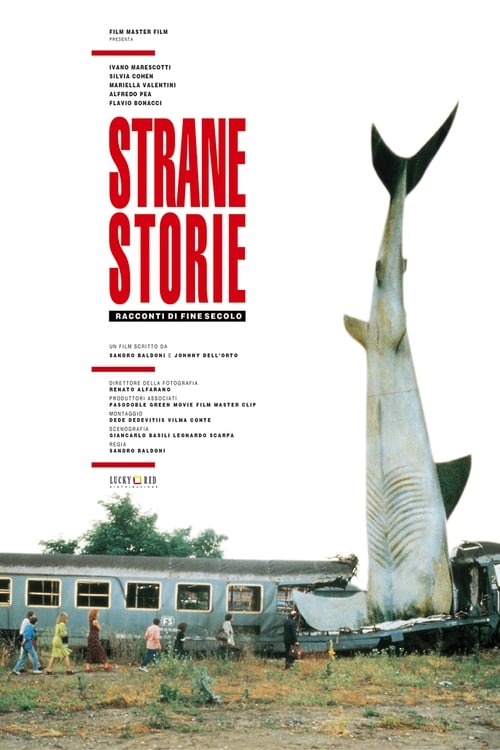
Strane storie
1994
No user ratings available yet
Representation score: 5.3 out of 10
Representation Score
Fair
2024
TV-PGDirector
Wes Anderson
Runtime
89 minutes
Average Rating
No ratings yetNew Showbiz Analysis
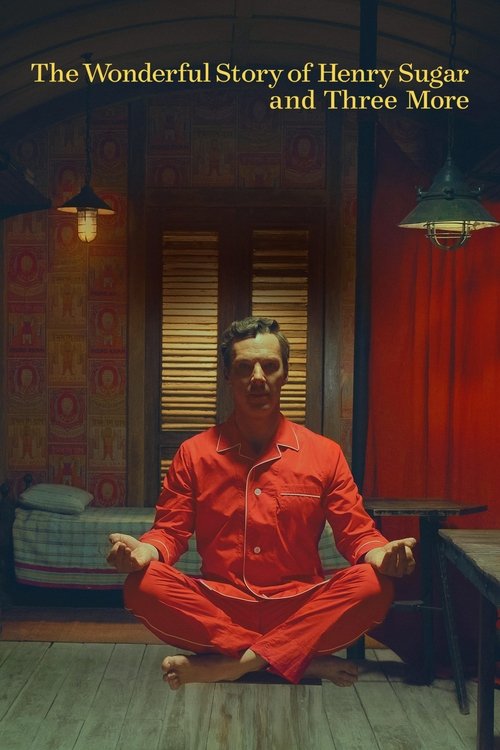
Wes Anderson’s anthology presents a series of stylized, theatrical fables. While the postmodern structure is sophisticated, the narratives center on individualistic, character-driven pursuits rather than systemic social commentary. The collection emphasizes internal psychological states and subjective truths. This focus results in a work that is stylistically innovative but lacks deep engagement with identity-based or progressive social issues. Ultimately, the films focus on whimsical character studies. They provide diverse representation through casting but do not actively challenge traditional hierarchies or institutional power structures.
Category Breakdown
The anthology focuses on individual obsession and sensory mastery. There are no visible LGBTQ+ characters or relationships that go beyond traditional heterosexual norms.
Characters are defined by their unique personalities rather than traditional gender roles. The films avoid reinforcing submissive femininity but also do not challenge traditional masculine leadership.
The cast includes a mix of ethnicities, with Dev Patel among a mostly white ensemble. Traditional casting methods are used without employing race-bending metaphors.
The stories explore moral relativism and the emptiness of wealth. They avoid explicit anti-Western or anti-religious messages, focusing instead on subjective, fable-like morality.
Heightened sensory perceptions are portrayed as magical or meditative abilities. This avoids a nuanced depiction of lived disability, presenting extraordinary states instead.
Present on Screen
Limited or Absent
Official Synopsis
Four tales unfold in Wes Anderson's anthology of short films adapted from Roald Dahl's beloved stories, "The Wonderful Story of Henry Sugar", "The Swan", "The Rat Catcher", and "Poison."
1994
1974

1961

1990

2002
1988

1985

2023
No reviews yet. Be the first to share your thoughts on this movie!
Use the rating form above to leave a star rating and optional review.