
Gordon Lightfoot: If You Could Read My Mind
2019
No user ratings available yet
Representation score: 1.8 out of 10
Representation Score
Fair
2021
Director
Jennifer Lebeau, John Hillcoat
Runtime
115 minutes
Average Rating
No ratings yetNew Showbiz Analysis
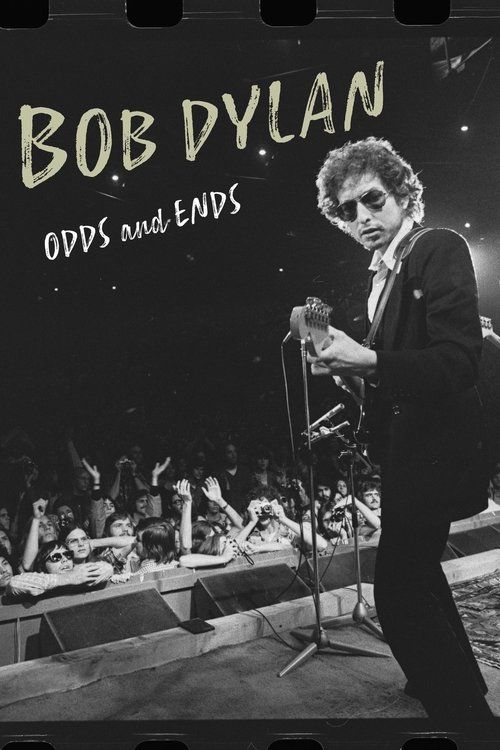
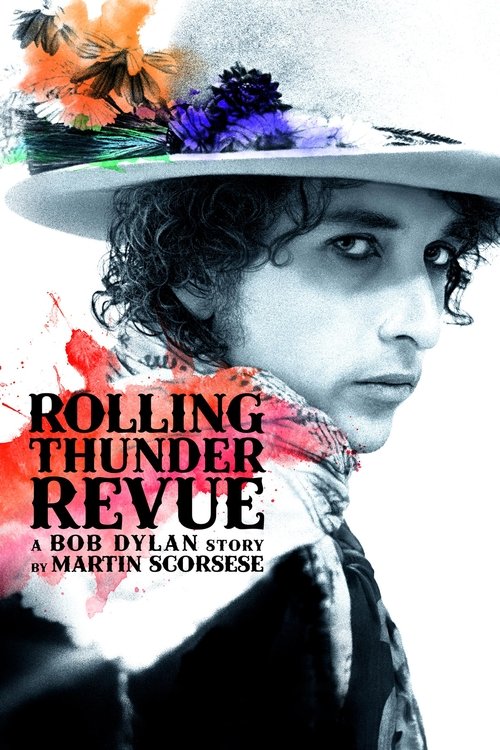
This documentary assembles archival interviews and promotional videos to trace Bob Dylan’s career milestones. The narrative centers on his artistic evolution, from folk to rock, and his interactions with the music industry. While it critiques commercial pressures and celebrates artistic integrity, the perspective remains firmly anchored in the experiences of white male figures. Representation is limited by the historical context of the 1960s music scene. Women appear as respected critics and musicians, yet they occupy a secondary role compared to the male-dominated cast. Black musicians are acknowledged through archival footage and discussions of Dylan’s socially conscious songs, but they do not drive the primary narrative. The film offers a nuanced view of Dylan’s legacy by balancing praise for his artistic rebellion with a clear focus on his personal and professional relationships. However, the lack of discussion regarding LGBTQ+ identities, disability, or broader cultural perspectives leaves significant gaps in its portrayal of human diversity.
Category Breakdown
The film contains no openly LGBTQ+ characters or same-sex romance. It focuses entirely on Dylan’s heterosexual relationships and professional collaborations. Archival footage and interviews offer no discussion of gender identity or sexual orientation beyond standard biographical details.
Women appear in interviews, including Rosanne Cash, but men dominate screen time and narrative focus. Male musicians and managers drive the story of Dylan’s career. Women are presented as respected peers and critics, yet the central protagonist and primary subjects remain male.
The cast is predominantly white, reflecting the 1960s folk and rock scenes. Black musicians like Sam Cooke appear in archival footage, and Dylan’s songs addressing racial injustice are discussed. However, the primary interview subjects and narrative focus remain centered on white figures in the music industry.
The film portrays the 1960s music industry as a space of artistic rebellion against commercial pressures. It highlights Dylan’s shift from folk to rock and his later religious conversion. Traditional institutions are critiqued for commercialism, while artistic integrity is celebrated.
No characters with physical or mental disabilities are featured in the film. Bob Dylan is portrayed as a healthy, active artist throughout his career. The narrative does not address disability, chronic illness, or neurodivergence in any significant way.
Present on Screen
Limited or Absent
Official Synopsis
Bob Dylan "Odds and Ends" is composed of archival interviews, promotional videos and documentary shorts. It tells the story of some of the most important moments in the legendary artist's career.
2019
2021
2017
2016

1999
2018
2019
2019
No reviews yet. Be the first to share your thoughts on this movie!
Use the rating form above to leave a star rating and optional review.