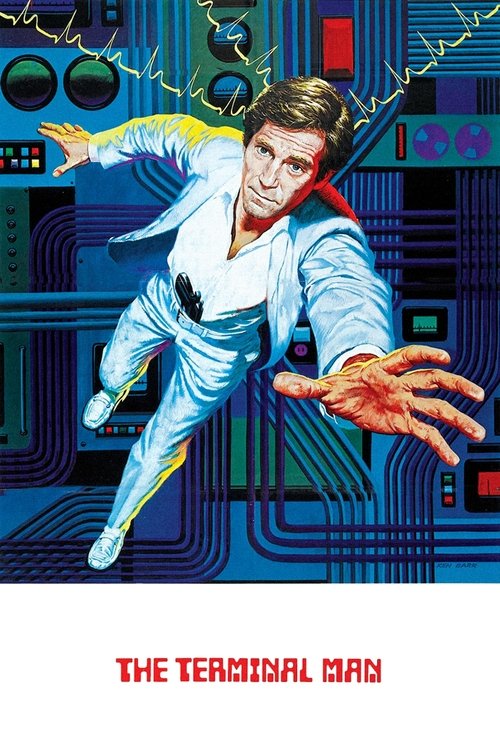
The Terminal Man
1974
No user ratings available yet
Representation score: 3.8 out of 10

Representation Score
Limited
1978
PGDirector
Richard Franklin
Runtime
113 minutes
Average Rating
No ratings yetNew Showbiz Analysis
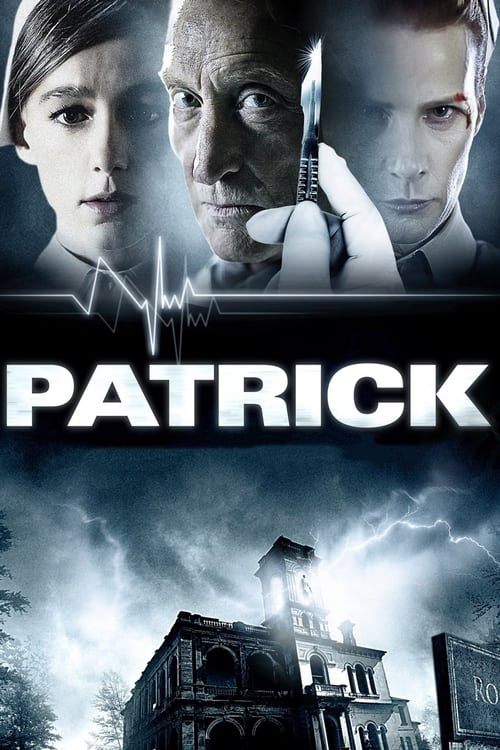
Patrick is a traditional 1970s thriller that adheres closely to the social and demographic norms of its time. It does not challenge conventional expectations regarding identity, gender, or institutional authority. The film introduces complexity through the protagonist's disability. By giving the comatose patient telekinetic abilities, the movie moves past the stereotype of a helpless victim, although it still uses his condition as a horror device. Overall, the lack of diverse representation and the reliance on a monocultural cast contribute to a low diversity score. The narrative remains a straightforward genre piece focused on supernatural conflict rather than social critique.
Category Breakdown
The film does not include any LGBTQ+ characters or explore non-cisgender identities. Relationships are centered around heterosexual romance.
Characters follow traditional 1970s gender roles. The female protagonist is defined by caring for others, while men are either vulnerable or hold positions of authority.
The cast reflects the homogeneous demographics typical of mainstream 1970s genre films. The story unfolds within a predominantly Anglo-Saxon cultural context.
The storyline revolves around a standard medical setting without questioning Western values. The conflict focuses on supernatural elements rather than institutional or religious issues.
The protagonist's coma drives the plot. His telekinetic abilities avoid the cliché of a completely passive character, but his condition primarily serves as a horror element.
Present on Screen
Limited or Absent
Official Synopsis
A comatose hospital patient harasses and kills through his powers of telekinesis to claim his private nurse as his own.
1974

1978

2009

1978
1985
1978
2013
1979
No reviews yet. Be the first to share your thoughts on this movie!
Use the rating form above to leave a star rating and optional review.