Sparkle: A Unicorn Tale
2023
No user ratings available yet
Representation score: 2.7 out of 10
Representation Score
Limited
2002
PGDirector
Paul Matthews
Runtime
81 minutes
Average Rating
No ratings yetNew Showbiz Analysis
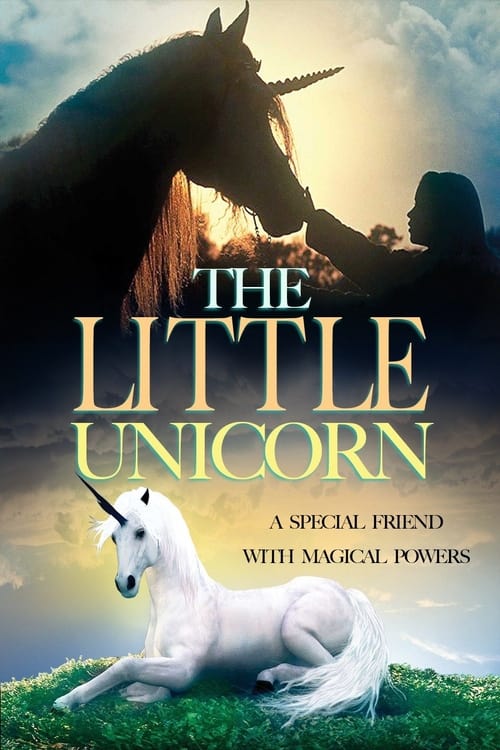
The Little Unicorn is a traditional fantasy that relies heavily on established genre clichés. While it features a female lead, the narrative structure remains rooted in conventional storytelling frameworks common to the early 2000s. The film lacks intentionality regarding demographic diversity. It focuses on a singular, traditional protagonist and a clear-cut moral conflict, which limits its depth in terms of representing multiple aspects of identity. Ultimately, the production prioritizes a standard adventure framework over exploring diverse social hierarchies or complex cultural themes.
Category Breakdown
The film doesn't include any LGBTQ+ relationships or non-binary gender identities. It follows traditional family structures typical of early 2000s fantasy.
Polly is a central female character who plays a significant role in the story. However, the plot is driven by male antagonists following traditional storytelling clichés.
The village and farm settings suggest a homogeneous Western environment. There is no evidence of diverse casting or non-Anglo-Saxon characters.
The story uses traditional pastoral motifs and Western archetypes. It focuses on conventional morality without delving into complex cultural or systemic themes.
There is no information about characters with visible or invisible disabilities in this narrative.
Present on Screen
Limited or Absent
Official Synopsis
After her favorite mare dies while giving birth on her grandfather's farm, Polly's spirits are lifted when she discovers that the foal is a magical baby unicorn. The secret spreads throughout the village, and troublemakers finagle to steal the unicorn for their own gains.
2023

2016
1998
2025

2019
2001
1999
1998
No reviews yet. Be the first to share your thoughts on this movie!
Use the rating form above to leave a star rating and optional review.