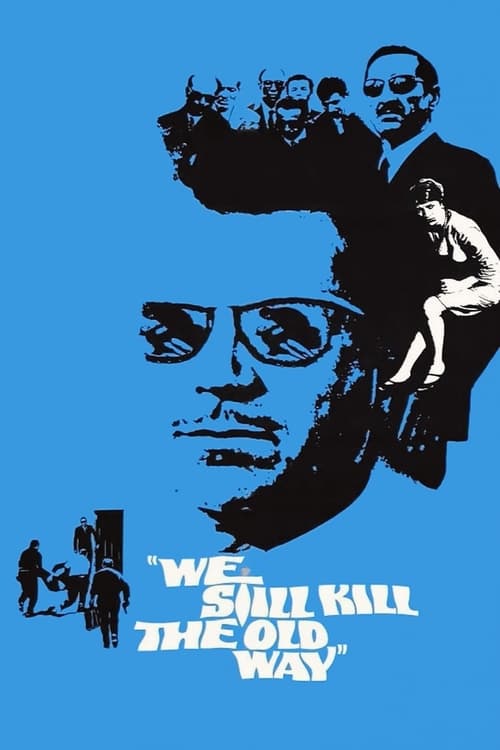
We Still Kill the Old Way
1967
No user ratings available yet
Representation score: 8.3 out of 10
Representation Score
Good
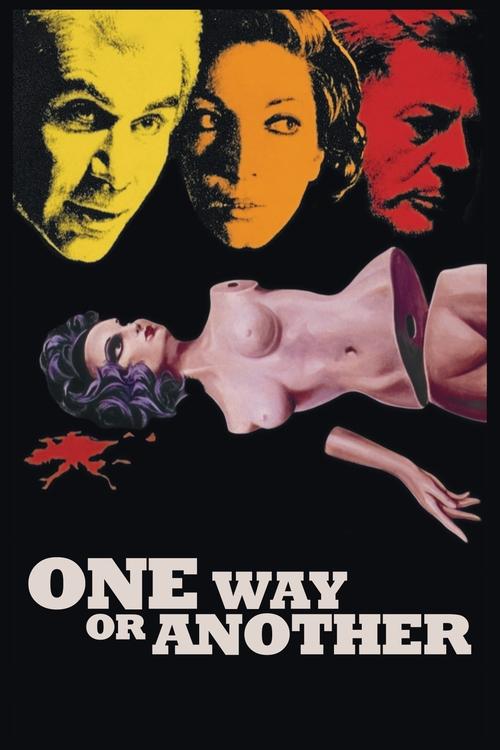
1976
Not RatedDirector
Elio Petri
Runtime
125 minutes
Average Rating
No ratings yetNew Showbiz Analysis
Elio Petri’s film is a claustrophobic allegory of institutional rot rather than a diverse character study. Its primary strength lies in its sophisticated subversion of Western political and religious authority, using gender dynamics to destabilize the male-dominated status quo. However, the film is demographically narrow. It reflects the homogeneous, white, and straight-centered landscape of the mid-70s Italian political establishment, offering little representation of racial or sexual minority groups. Ultimately, the work prioritizes systemic critique over demographic breadth, trading inclusive casting for a concentrated look at the decay of a specific cultural elite.
Category Breakdown
The film does not focus on LGBTQ+ identities or non-cisgender narratives. Instead, it centers on the psychological fragmentation of the upper-class.
Mariangela Melato’s character challenges traditional hierarchies by acting as a catalyst for chaos. She plays a significant role in driving the story, subverting the passive roles typically assigned to women in patriarchal structures.
The narrative reflects the homogeneous demographic of the 1970s Italian ruling class. There is a notable absence of racial or ethnic diversity within this insulated political elite.
Petri offers a biting critique of Western institutions by portraying religious and political pillars as corrupt. The film uses a spiritual retreat to expose systemic moral decay.
Themes of mental instability and paranoia are present but serve as allegories for social decay. These elements do not provide a nuanced exploration of lived neurodivergence or disability.
Present on Screen
Limited or Absent
Official Synopsis
Set during a retreat of Christian Democrat politicians who practice spiritual exercises together, it is an allegory of corrupted power. Disturbing, claustrophobic settings are the background to a series of mysterious crimes.
1967
1970

1978
1976
1976

2003
1974
1961
No reviews yet. Be the first to share your thoughts on this movie!
Use the rating form above to leave a star rating and optional review.