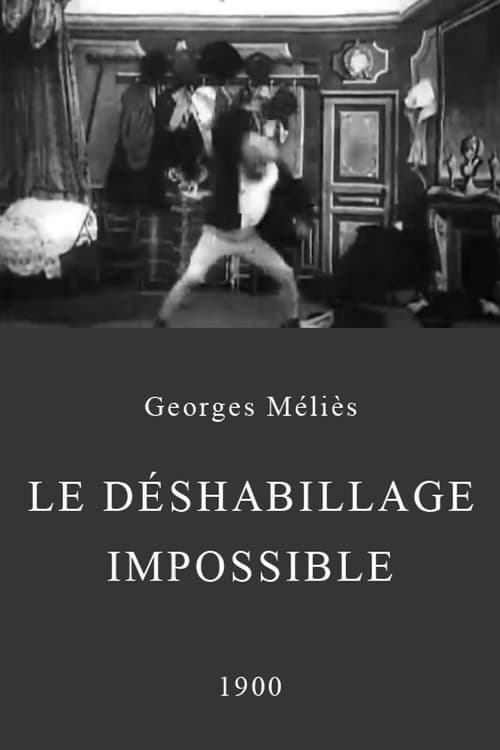
Going to Bed Under Difficulties
1900
No user ratings available yet
Representation score: 1.7 out of 10
Representation Score
Minimal
1903
Director
Alice Guy-Blaché, Ferdinand Zecca
Runtime
1 minutes
Average Rating
No ratings yetNew Showbiz Analysis
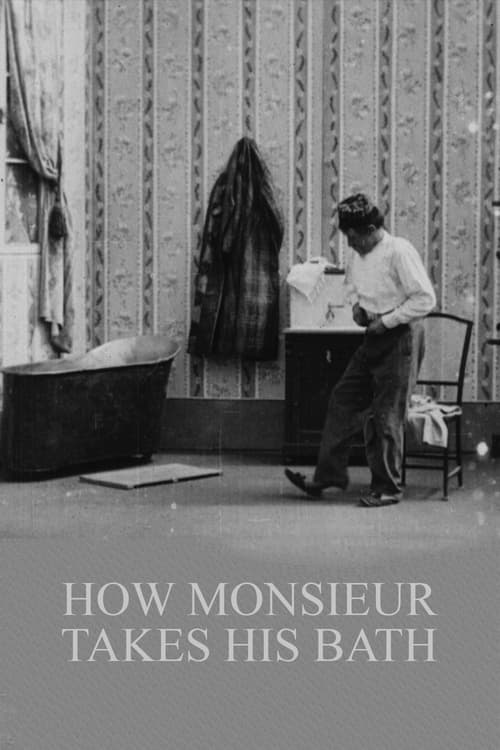
How Monsieur Takes His Bath serves as a technical and comedic experiment from the early days of cinema. Its brevity and historical context limit its exploration of complex social identities or diverse narratives. The film operates within a highly homogeneous framework, reflecting the domestic norms of 1903 rather than attempting to challenge or deconstruct them. While the film lacks diversity, its historical significance lies in the pioneering work of Alice Guy-Blaché, one of cinema's first female directors.
Category Breakdown
The film is a brief comedic short focused on a single male character. It does not include any representation of non-straight or transgender identities or same-sex relationships.
The story centers around a male protagonist involved in a domestic ritual. There are no female characters present to offer contrasting power dynamics.
The cast appears uniform, reflecting the demographic focus typical of early French cinema. There is no evidence of diverse casting or non-white characters.
This short vignette depicts a standard middle-class experience without engaging in broader social critiques. It adheres to traditional domestic settings of the time.
The film does not feature characters with visible or invisible disabilities. The comedy arises from the absurdity of clothing rather than physical or cognitive differences.
Present on Screen
Limited or Absent
Official Synopsis
A hapless man tries to get undressed only to find himself magically layered in even more clothes. There is no credited director for this film. Modern attributions go to either Alice Guy or Ferdinand Zecca, according to the PG archives.
1900
1900
1901
1906
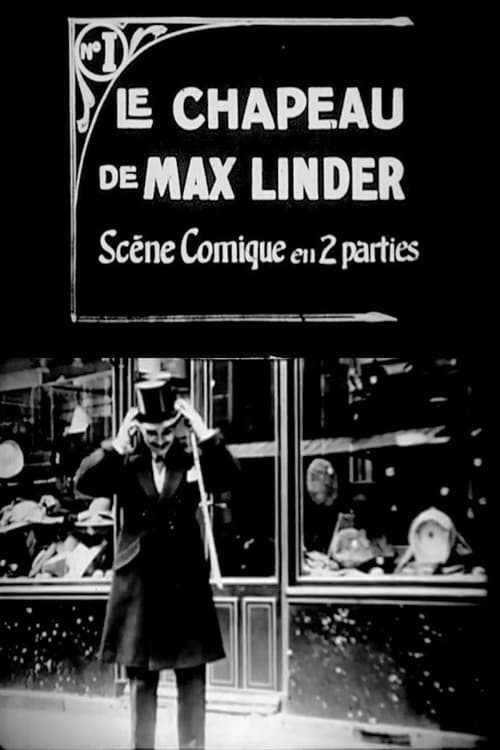
1913
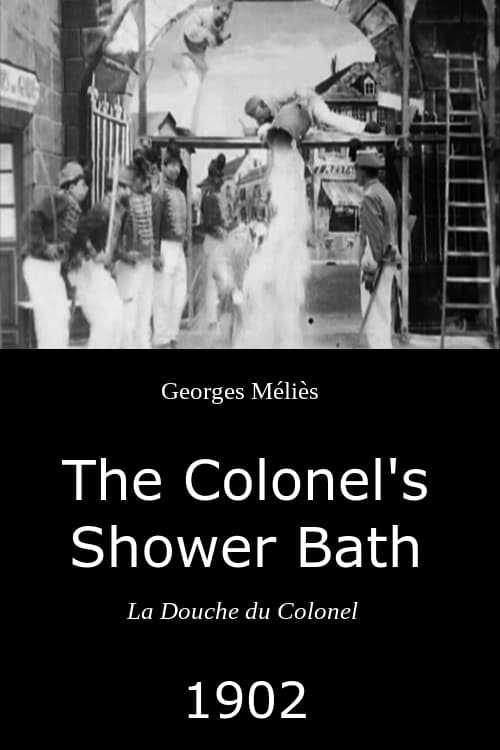
1902
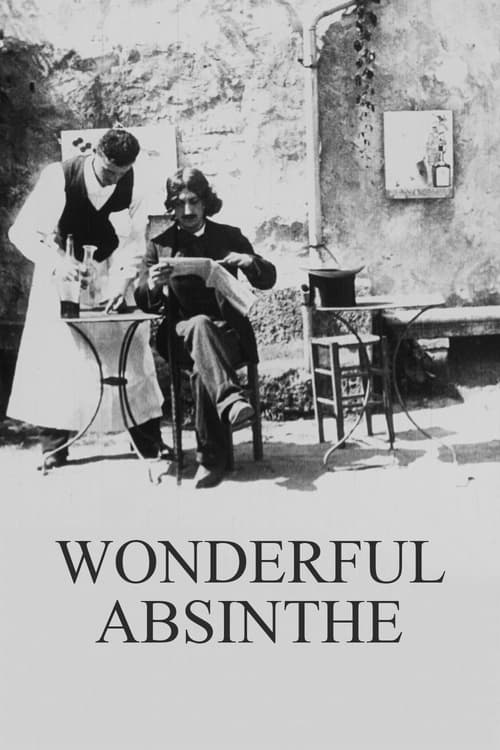
1899
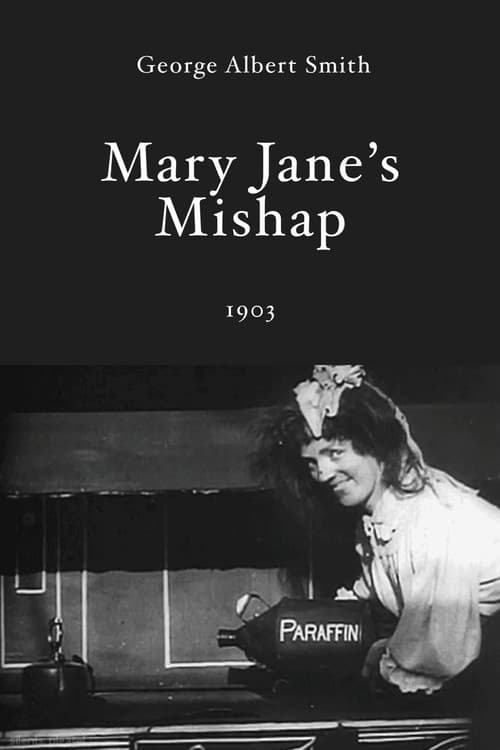
1903
No reviews yet. Be the first to share your thoughts on this movie!
Use the rating form above to leave a star rating and optional review.