Andromedia
1998
No user ratings available yet
Representation score: 7.9 out of 10
Representation Score
Excellent
1997
RDirector
Gabriele Salvatores
Runtime
113 minutes
Average Rating
No ratings yetNew Showbiz Analysis
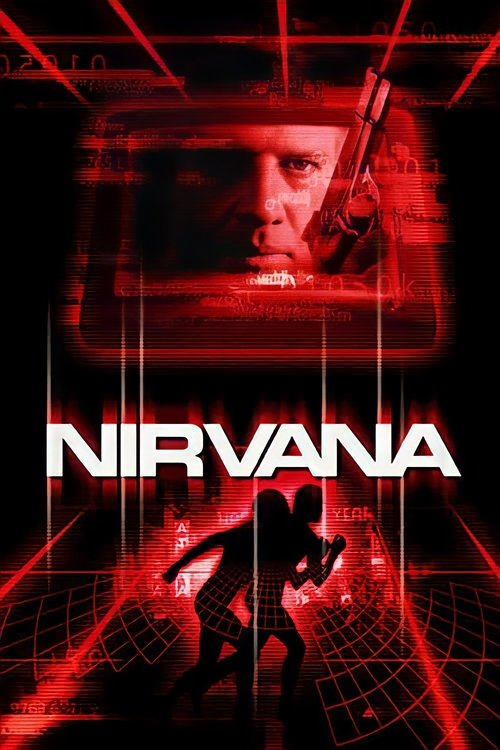
Nirvana is a sophisticated cyberpunk exploration of hyperreality that challenges the boundaries between physical existence and digital simulation. It excels in its cultural critique, questioning the value of material stability and Western structures in a decaying world. While the film offers a cosmopolitan, post-national aesthetic, it lacks deep characters who reflect more than one aspect of diversity. The narrative prioritizes philosophical inquiry over specific explorations of race, gender identity, or lived disability experience. Ultimately, the film's strength lies in its thematic subversion of reality and its portrayal of characters operating outside traditional societal frameworks.
Category Breakdown
The film does not explicitly include LGBTQ+ identities or romantic relationships. It explores fluid boundaries of consciousness through digital avatars but does not feature characters with non-traditional gender identities.
Women like Lisa play crucial roles in the protagonist's psychological journey and are not just decorative. The story places women in high-tech environments rather than traditional domestic settings.
The setting reflects a cosmopolitan, post-national world through an internationalist aesthetic. However, the story focuses on existential struggles rather than deep explorations of specific ethnic identities.
The film criticizes consumerist escapism and late-stage capitalism by depicting humanity retreating into digital commodities. It uses religious terms as a metaphor for digital transcendence and postmodern spirituality.
The film does not focus on physical or neurodivergent disabilities. Instead, it explores existential alienation and fractured consciousness through a philosophical lens.
Present on Screen
Limited or Absent
Official Synopsis
Jimi, a computer game designer, finds that his latest product has been infected by a virus which has given consciousness to the main character of the game, Solo. Tormented by the memory of his fled girlfriend Lisa and begged by Solo to end its useless "life", Jimi begins a search for people who can help him both to discover what happened to Lisa and to delete his game before it is released.
1998

2001
2003
1995

1999
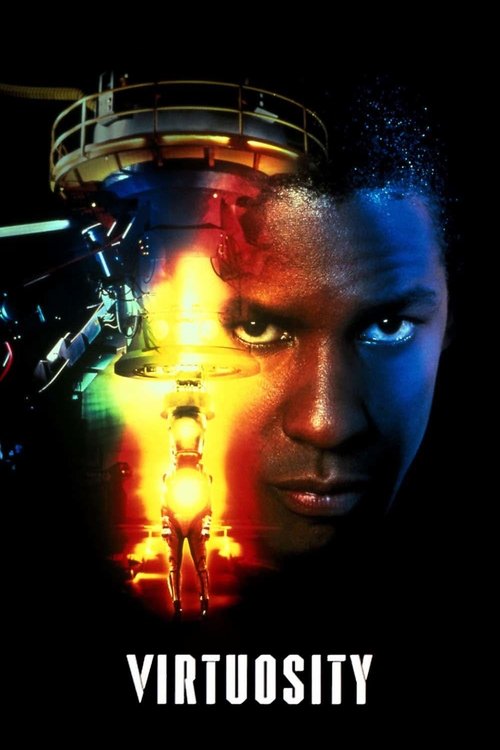
1995

1995
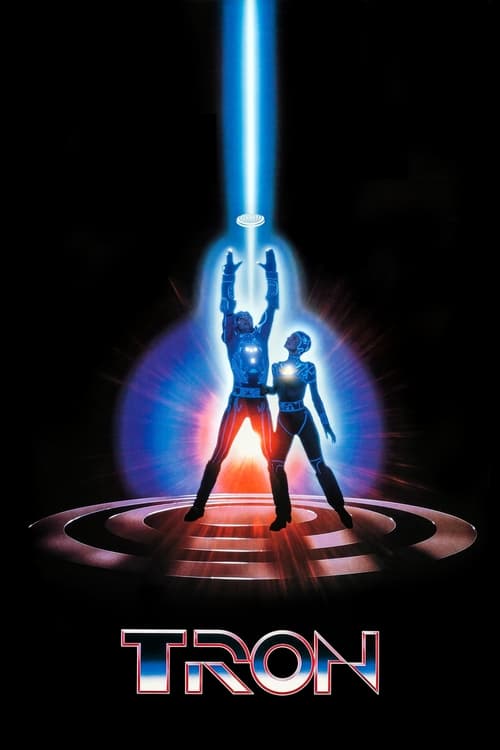
1982
No reviews yet. Be the first to share your thoughts on this movie!
Use the rating form above to leave a star rating and optional review.