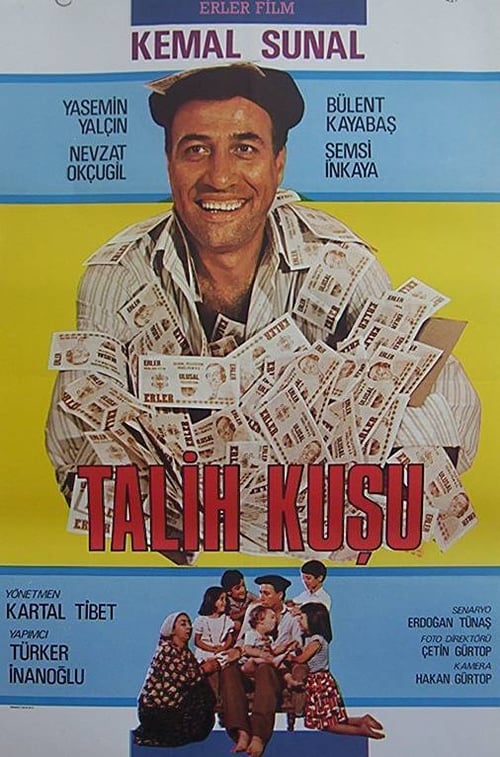
Talih Kuşu
1989
No user ratings available yet
Representation score: 2.0 out of 10
Representation Score
Limited
1986
Director
Kartal Tibet
Runtime
87 minutes
Average Rating
No ratings yetNew Showbiz Analysis
Kartal Tibet’s film employs a classic mistaken identity cliché to generate its humor. By featuring two patients with schizophrenia in positions of authority, the film centers on neurodivergent characters within a traditional comedy setting. While the film offers visibility to neurodivergence, it relies heavily on conventional comedic devices. The narrative emphasizes the misunderstanding between the patients and the villagers rather than a deeper exploration of social hierarchies. Ultimately, the work operates as a typical regional comedy, lacking the depth needed to transcend the clichés of its time and offering limited systemic social critique.
Category Breakdown
The film does not include any characters or stories related to LGBTQ+ identities or non-cisgender experiences.
The story revolves around male characters who hold positions of authority. It is unclear whether the film challenges traditional gender roles or merely uses them for comedic effect.
Reflecting the demographic makeup of Turkey, the film does not show intentional diversity or use non-human symbols to represent race.
The plot highlights the clash between institutional figures and a traditional village community. The conflict seems to arise from comedic misunderstandings rather than a deeper critique of societal structures.
Schizophrenia is a central theme, with protagonists suffering from it. However, it is unclear if these characters have significant influence over the plot or if they are used primarily as comedic elements.
Present on Screen
Limited or Absent
Official Synopsis
Two schizophrenic patients escape from a mental asylum supposing they were mistakenly quarantined. When they arrive at a country village, the villagers assume one is a sheriff and the other is a local magistrate.
1989

1999

1989

1979

2020
1990
2006
2009
No reviews yet. Be the first to share your thoughts on this movie!
Use the rating form above to leave a star rating and optional review.