
Heaven and Hell
1988
No user ratings available yet
Representation score: 5.0 out of 10
Representation Score
Limited
1979
Director
Morten Arnfred
Runtime
101 minutes
Average Rating
No ratings yetNew Showbiz Analysis
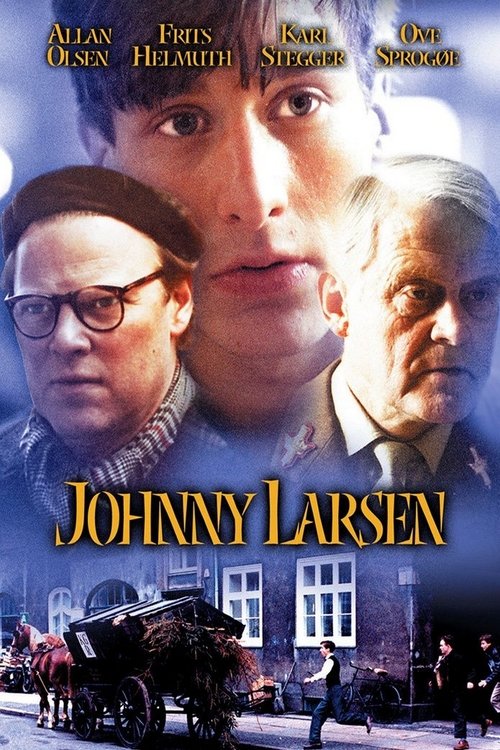
Johnny Larsen is a work of social realism that prioritizes class-based authenticity over modern identity-based representation. It functions as a localized study of a specific ethnic and social enclave in 1950s Copenhagen. The film succeeds in deconstructing the idealized mid-century family unit by focusing on the granular textures of working-class life. However, the film lacks markers reflecting diverse identities. It remains rooted in the demographic and social norms of its period, offering little representation for LGBTQ+ individuals or non-Anglo-Saxon identities.
Category Breakdown
The film follows a traditional coming-of-age storyline set in mid-20th century Denmark. It adheres to the social structures of 1950s Copenhagen without featuring any queer narratives.
The narrative explores domesticity and family instability through a vulnerable portrayal of masculinity. While it avoids the stoic provider archetype, it maintains traditional domestic roles.
Set in a 1950s Danish urban and fishing village context, the cast is predominantly homogeneous. The film reflects the specific demographic realities of that era and location.
The film captures the spirit of working-class solidarity and critiques rigid social hierarchies. It offers a nuanced look at family instability rather than an idealized nuclear family.
There is no evidence of characters with visible or invisible disabilities. The narrative focuses on socioeconomic struggle rather than physical or neurodivergent representation.
Present on Screen
Limited or Absent
Official Synopsis
From a working class coming-of-age novel, Morten Arnfred fashioned his feature film to recapture the feel, the sting, the pain, but also the spirit of solidarity of the 1950s in the metropolitan city of Copenhagen: at the center, young Johnny, helpless, hapless, happy, unhappy, going through the motions of growing up. Bodil awards: Best Film and Best Actor (Allan Olsen).
1988

2016
1968
1943

1976

2021

2010

2016
No reviews yet. Be the first to share your thoughts on this movie!
Use the rating form above to leave a star rating and optional review.