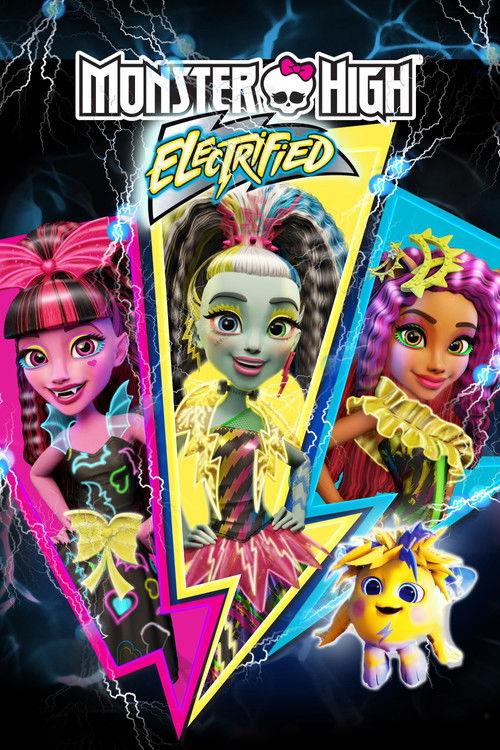
Monster High: Electrified
2017
No user ratings available yet
Representation score: 8.5 out of 10
Representation Score
Excellent
2016
Not RatedDirector
William Lau
Runtime
69 minutes
Average Rating
No ratings yetNew Showbiz Analysis
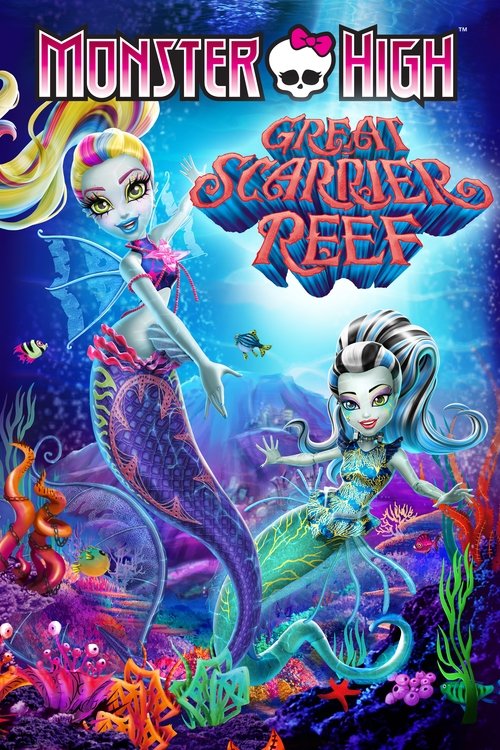
Monster High: Great Scarrier Reef uses speculative biology to explore identity and social inclusion. By framing 'monsters' as outsiders, the film deconstructs conventional notions of normalcy through its characters' unique physical traits. The narrative excels at using diverse species as metaphors for multi-layered struggles. This approach allows the film to address themes of heritage and physical difference without relying on human-centric clichés. While the film adheres to some family-media conventions, its core mission remains progressive. It promotes a model of radical self-acceptance and social pluralism through its central characters.
Category Breakdown
The film highlights characters who exist outside traditional biological and social norms. Although explicit queer identities are not central to the plot, the theme of self-discovery provides a foundational message.
A female-led ensemble drives the narrative, avoiding the male savior cliché. The 'ghoulfriends' rely on female solidarity and emotional intelligence to resolve conflicts.
Monster species serve as a metaphor for racial and ethnic diversity. Lagoona Blue’s journey through her aquatic heritage acts as an allegory for navigating dual identities and ancestral roots.
The story prioritizes individual identity over rigid social cohesion, framing traditional standards of beauty as restrictive. It favors a secular, community-based model over traditional religious or patriarchal structures.
Physical monster traits serve as parallels to lived experiences of disability. Lagoona Blue’s arc focuses on accepting her unique attributes as strengths rather than flaws to be cured.
Present on Screen
Limited or Absent
Official Synopsis
Join your favourite ghoulfriends in an all-new aquatic adventure! When the ghouls get pulled into the school pool, they're transported to the gore-geous underwater world of the Great Scarrier Reef. Lagoon realizes she's come home and, in a fintastic mission of the heart, decides to come to terms with her own freaky flaws. Of course she'll need help from the most creeperific firends ever as she confronts a frenemy from her past, competes in a scaretastic dance extravaganze, and fights a terrible beast from the deep!
2017
2010
2011
2013
2014
2016
2014
2012
No reviews yet. Be the first to share your thoughts on this movie!
Use the rating form above to leave a star rating and optional review.