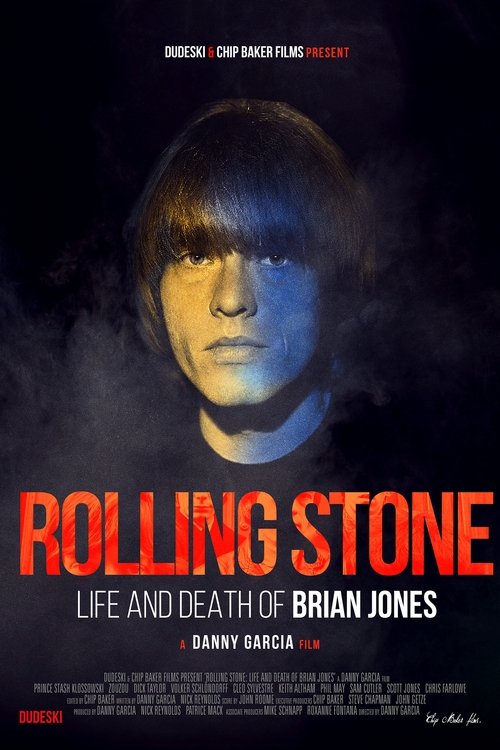
Rolling Stone: Life and Death of Brian Jones
2019
No user ratings available yet
Representation score: 6.3 out of 10
Representation Score
Limited
2020
RDirector
Daniel Roher
Runtime
100 minutes
Average Rating
No ratings yetNew Showbiz Analysis
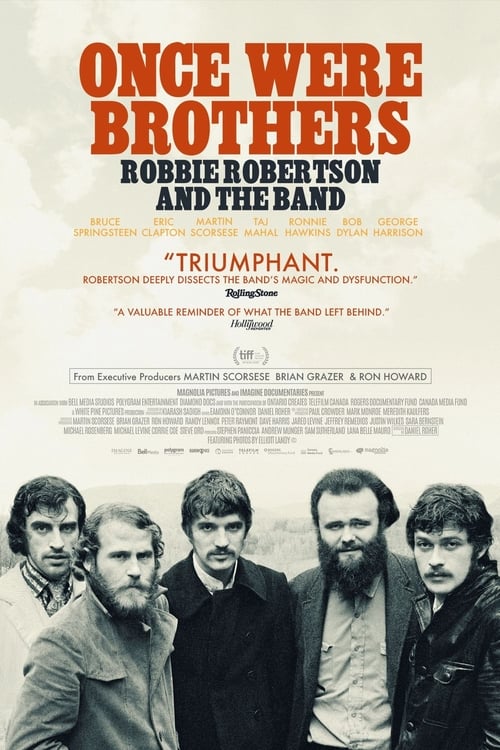
Once Were Brothers serves as a specialized historical archive focused on the creative synergy of The Band. Because it is a biographical study of a specific musical collective, the narrative scope is inherently narrow and centered on the professional trajectories of its primary subjects. The film prioritizes biographical accuracy and the preservation of a musical legacy over progressive narrative disruption. This results in a lack of multi-layered breadth, as the documentary adheres strictly to the documented lives of the white, male musicians involved. Ultimately, the work functions as a traditional historical record. It does not seek to challenge social hierarchies or deconstruct Western institutions, but rather to chronicle the specific rise of a quintessential rock ensemble.
Category Breakdown
The film does not include any LGBTQ+ characters or stories about non-cisgender identities. It focuses solely on the documented lives of the band members without addressing queer themes.
The narrative primarily centers on male perspectives and professional dynamics. It lacks women's ability to drive the story or the subversion of traditional gender roles within the 1960s rock scene.
The documentary focuses on a homogeneous group of white musicians. This reflects the historical reality of the ensemble but does not offer any racial blending or diverse casting.
The film operates within a traditional Western framework, documenting a North American musical institution. It does not prioritize anti-Western narratives or significant religious critiques.
There is no prominent focus on visible or invisible disabilities. The film prioritizes musical artistry and biographical milestones over the exploration of disability.
Present on Screen
Limited or Absent
Official Synopsis
A confessional, cautionary, and occasionally humorous tale of Robbie Robertson's young life and the creation of one of the most enduring groups in the history of popular music, The Band.
2019
2021
2019
2018
2018
2018
2019
2021
No reviews yet. Be the first to share your thoughts on this movie!
Use the rating form above to leave a star rating and optional review.