
Mom
1990
No user ratings available yet
Representation score: 4.5 out of 10
Representation Score
Fair
1989
PGDirector
Michael Fischa
Runtime
88 minutes
Average Rating
No ratings yetNew Showbiz Analysis
This film is a product of late-1980s low-budget genre filmmaking, focusing on horror-comedy clichés rather than social commentary. It follows the conventional narrative structures of its time. While the film features female characters taking initiative to solve the conflict, it still revolves around traditional family roles and social hierarchies. The absence of layered diversity keeps the representation limited. Overall, the film centers on a standard family dealing with a biological threat, offering minimal representation for LGBTQ+, multi-ethnic, or disabled identities.
Category Breakdown
The film doesn't include any explicit LGBTQ+ characters or explore non-straight relationships. The main focus is on a traditional family unit made up of a mother, daughter, and father.
Leslie is the central character who faces a major life-changing event. She starts off as a frustrated housewife but gains the ability to take charge and help resolve the supernatural issues with her daughter Jennifer.
The movie seems to follow the typical casting practices of 1980s genre films, which tend to be homogeneous. There is no indication of a multi-ethnic or diverse cast within the family setting.
The story unfolds within a standard Western family context, emphasizing the importance of family unity and managing secrets. It does not critique religious or social institutions.
The werewolf transformation is used as a horror plot device rather than a deeper look into disability. None of the characters with disabilities are shown to have significant roles outside of being part of the monster archetype.
Present on Screen
Limited or Absent
Official Synopsis
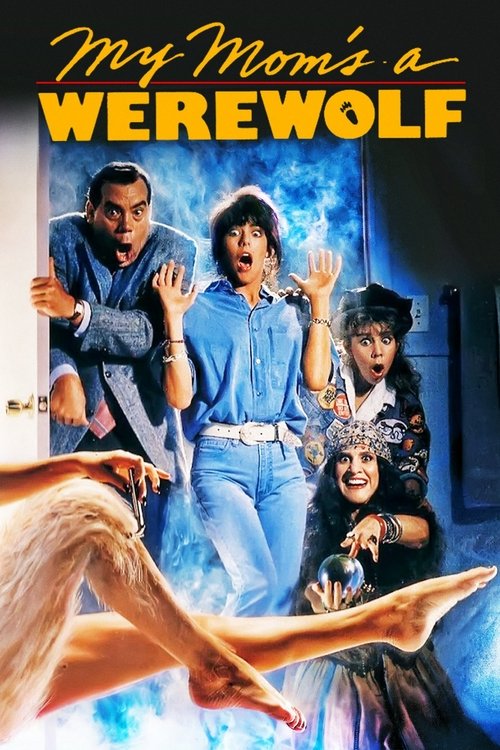
The frustrated housewife Leslie visits an animal shop to purchase a flea-collar. Unknowing that the owner is a werewolf, she accepts his invitation to lunch and later in his apartment. Through a bite in her toe he starts her slow transformation in a werewolf. Home again, she desperately tries to hide the often disgusting process from her family, but her daughter Jennifer and her - from horror magazines well educated - friend recognize what's going on, and help to kill the non-human.
1990
2024
1988
1997
2024
1989
1988
2005
No reviews yet. Be the first to share your thoughts on this movie!
Use the rating form above to leave a star rating and optional review.