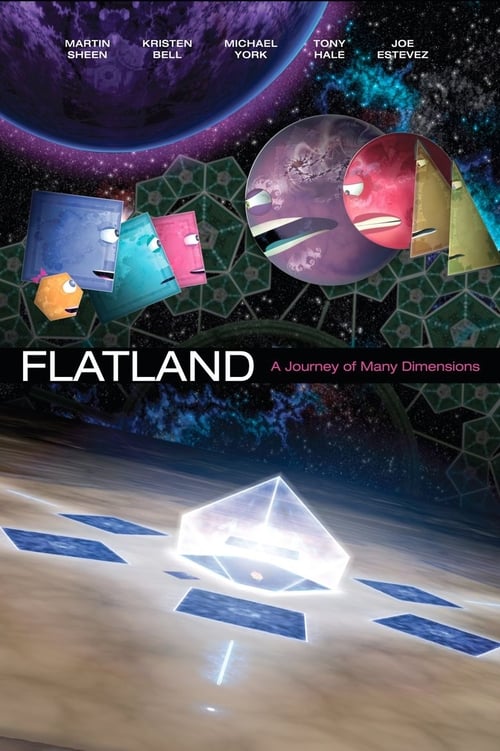
Flatland
2007
No user ratings available yet
Representation score: 5.9 out of 10
Representation Score
Good
2006
UnratedDirector
Bassam Kurdali
Runtime
11 minutes
Average Rating
No ratings yetNew Showbiz Analysis
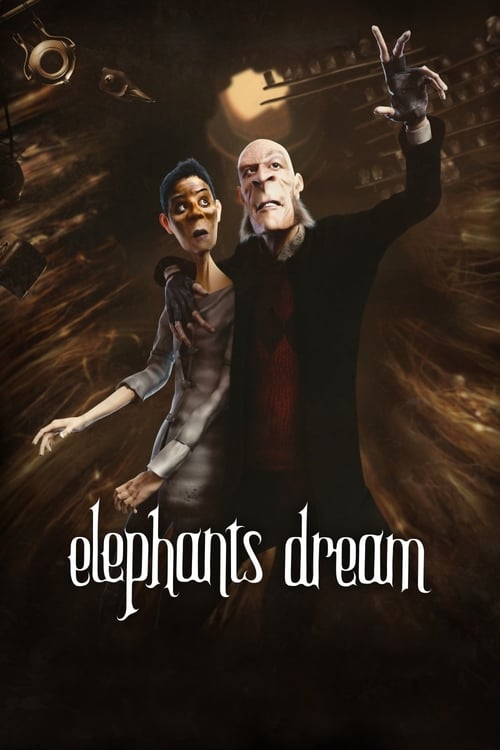
Elephants Dream is a surrealist science fiction short that emphasizes abstract storytelling over traditional demographic representation. Since the characters are non-human and exist in a mechanical, surreal world, applying standard metrics for race and gender is challenging. The film's strength lies in its cultural and systemic critique. By using Blender and open-source tools, it challenges traditional media ownership and institutional permanence, providing a postmodern critique of authority. Ultimately, the score reflects a balance between progressive production values and the lack of explicit human-centric identity markers.
Category Breakdown
The film focuses on a duo with a changing relationship dynamic. Though their sexual orientations aren't specified, the relationship avoids typical heterosexual norms by emphasizing mentorship and doubt.
The story challenges traditional gender roles by highlighting intellectual conflict instead of social positions. Proog's role as a protector is eventually questioned, breaking down the idea of a steady leader.
As a surreal animated film set in a mechanical world, the movie doesn't include human racial or ethnic traits. The characters exist outside of typical human social categories.
The production shows progressive values by using open-source software and Creative Commons licensing. This approach criticizes capitalist intellectual property models and institutional authority.
Characters face a chaotic and possibly overwhelming environment, hinting at sensory or cognitive instability. However, no specific disabilities are clearly shown in the characters.
Present on Screen
Limited or Absent
Official Synopsis
Elephants Dream is the story of two strange characters exploring a capricious and seemingly infinite machine. The elder, Proog, acts as a tour-guide and protector, happily showing off the sights and dangers of the machine to his initially curious but increasingly skeptical protege Emo. As their journey unfolds we discover signs that the machine is not all Proog thinks it is, and his guiding takes on a more desperate aspect. Elephants Dream is a story about communication and fiction, made purposefully open-ended as the world’s first 3D animated “Open movie”. The film itself is released under the Creative Commons license, along with the entirety of the production files used to make it (roughly 7 Gigabytes of data). The software used to make the movie is the free/open source animation suite Blender along with other open source software, thus allowing the movie to be remade, remixed and re-purposed with only a computer and the data on the DVD or download.
2007
1987

2007
2006
2005
2003
2009
2009
No reviews yet. Be the first to share your thoughts on this movie!
Use the rating form above to leave a star rating and optional review.